
The Missing Element in ESG Ratings
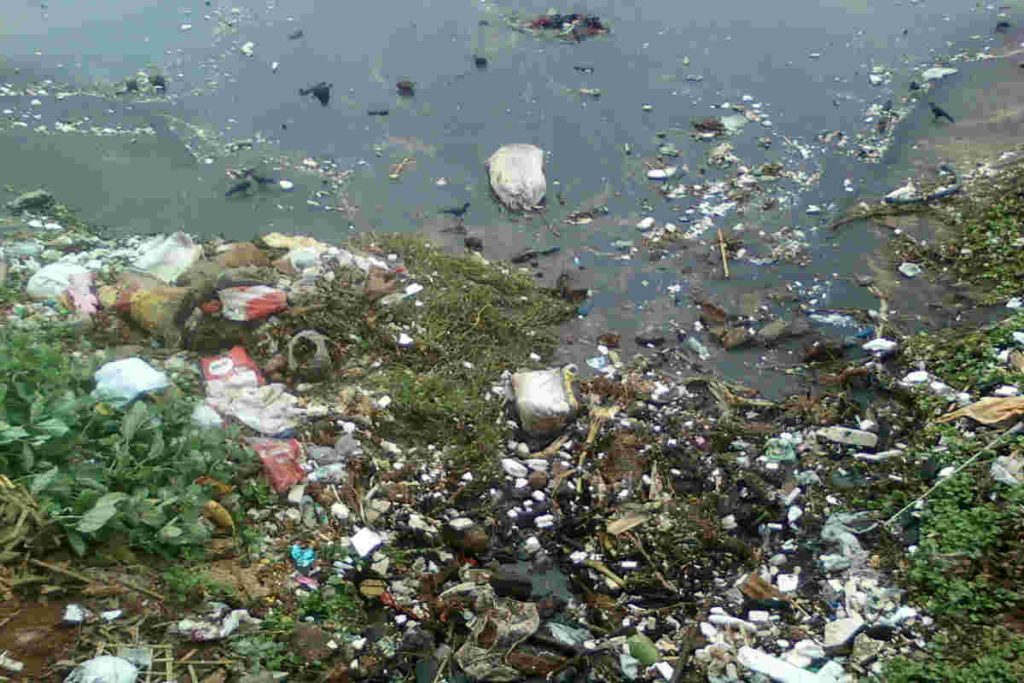
Environmental organisations and Environmental NGOs in India increasingly recognise a critical gap in ESG reporting.While companies often disclose emissions and energy metrics, there is limited attention to real-time waste and water data.This absence creates a blind spot in assessing a company’s overall sustainability performance.
Studies and national data show that poor waste management, inefficient water usage, and water pollution pose serious environmental and financial risks.Earth5R’s Sustainability work across Indian cities highlights that waste and water flows shift daily.
Only real-time monitoring can capture actual on-ground impact beyond what static annual reports show.
India’s Waste and Water Challenge: Why Real-Time Data Matters
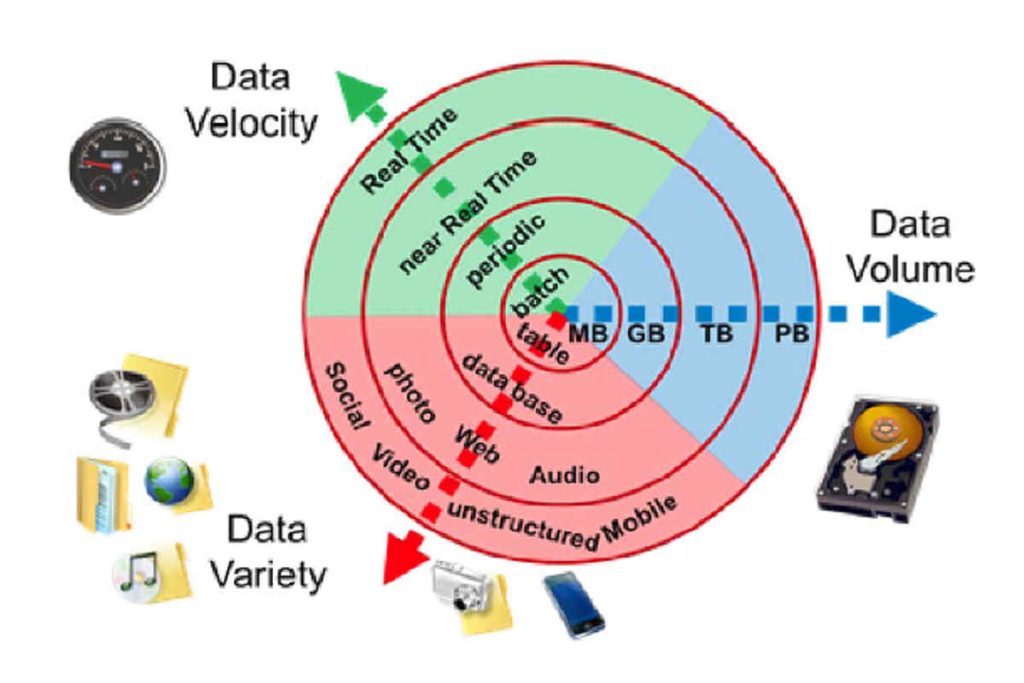
India generates over 160,000 tonnes of municipal solid waste daily (TPD) according to the latest report by the Central Pollution Control Board (CPCB). This waste includes household, commercial, institutional, and market waste.
At the same time, many parts of India face severe water stress and poor water quality.
According to the NITI Aayog Composite Water Management Index (CWMI), nearly 600 million people in India face high to extreme water stress. The same report indicates that a large share of India’s freshwater sources are contaminated.
Water scarcity and contamination combine to create a serious risk to public health, economic productivity, and environmental sustainability.These dynamics are not static. They change with seasons, weather events, population movement, industrial activity, and urban expansion.
For example, contamination levels in water sources can spike after heavy rainfall or sewage overflows.Waste generation and discharge patterns can change daily based on human behaviour and consumption cycles.
Static ESG disclosures typically annual or biannual cannot capture such variability.
They miss episodic pollution, chronic leakages, sudden discharge events, or waste overflow.
Therefore, without real-time waste and water data, ESG ratings only reflect partial reality.
For Environmental NGOs, corporate ESG teams, and regulators seeking credible Sustainability outcomes, this gap undermines accountability and transparency.
Limitations of Traditional ESG Reporting
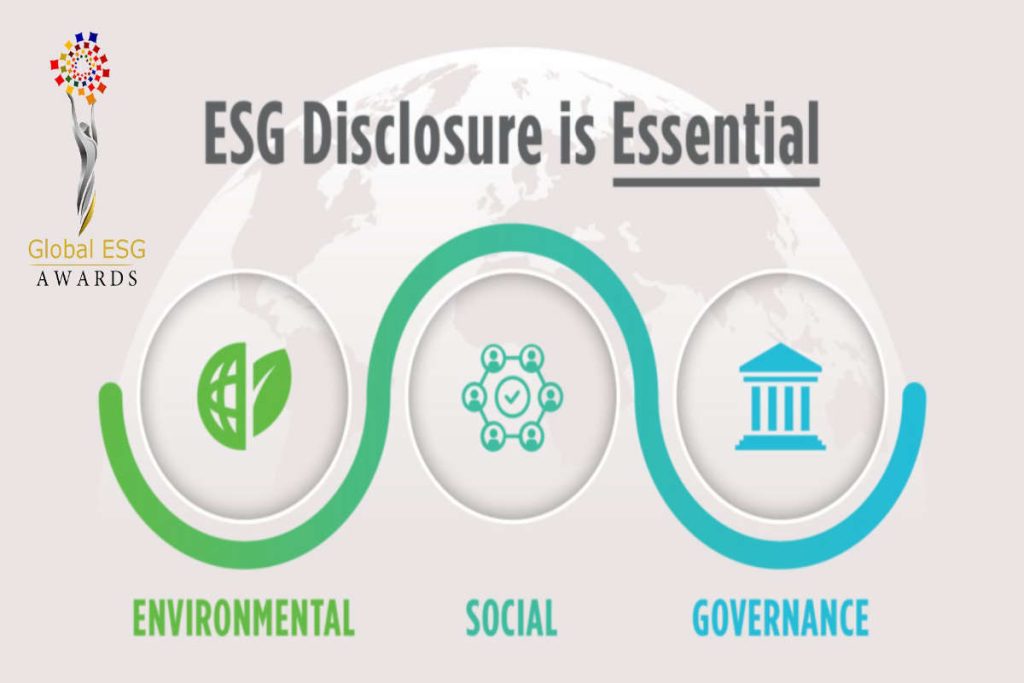
Current ESG rating frameworks for many companies rely on:
- Annual sustainability or CSR reports
- Self-reported compliance metrics
- Periodic third-party audits
- Generic questionnaires on waste and water
These methods have serious limitations.
First, they rely on lagging indicators.They capture data after the fact, often months after events occurred.This means that pollution events, waste leaks, or water contamination spikes remain unregistered until the next reporting cycle.
Second, they provide limited visibility into waste leakage, wastewater discharge, or unregulated dumping.Municipal solid waste might be collected as per records but how much never reaches treatment plants remains unknown.Similarly, water consumption might be reported, but actual water quality and discharge values often remain untracked.
Third, they weaken accountability.Without real-time data, firms can meet disclosure norms without implementing tangible improvements on the ground.Environment risk remains hidden, and communities continue to bear the burden.
Earth5R’s field experience in river cleaning and urban water management shows these blind spots in action.Only with continuous monitoring and data collection can actual environmental performance be reliably assessed.
Why Real-Time Waste and Water Data Improves ESG Accuracy

Real-time environmental data provides a continuous, high-resolution picture of operational impact.Instead of estimates or periodic snapshots, stakeholders can monitor actual waste generation, discharge, water usage, and water quality in real time.
Real-time waste and water data enables:
- Transparency for investors, regulators, and communities
- Immediate operational correction instead of delayed action
- Early detection of pollution, leakage, or discharge events
- Accurate and verifiable ESG performance scoring, moving beyond paper-based compliance
For instance, daily waste tonnage data reveals spikes during festivals or construction phases.Real-time water quality data shows contamination due to sewage leaks or industrial discharge.
Earth5R’s river-corridor monitoring in several Indian cities has recorded how daily variations in waste and water flows dramatically influence river health and community exposure.Only real-time data captured such fluctuations; annual audits missed them entirely.
By integrating real-time data streams, ESG ratings become dynamic, credible, and reflective of actual environmental performance.
The Earth5R Systems Framework: How Real-Time Waste & Water Data Strengthens ESG
The Earth5R Systems Framework offers a practical blueprint to bring real-time waste and water data into ESG reporting. It is based on field work across several Indian cities and combines monitoring, community engagement, and data transparency to track environmental impact continuously.
Conventional waste accounting often measures only waste collected, leaving out what is generated or diverted into landfills, drains, or natural water bodies. The global estimate of plastic waste generation underscores the scale of waste leakage risks; without detailed tracking, large portions of waste remain invisible undermining the credibility of sustainability claims.
Earth5R’s framework addresses this by logging real-time waste volumes, monitoring waste segregation compliance, and mapping household and community-level disposal behaviour. Water stress in India has been well documented by theNITI Aayog through the Composite Water Management Index (CWMI).
The CWMI identifies that nearly 600 million people face high to extreme water stress, and many regions experience severe water scarcity and contamination. Yet ESG reports rarely reflect the dynamic nature of water use and quality.
To overcome this, Earth5R integrates continuous water-use tracking via smart meters, groundwater level sensors, and IoT-enabled water-quality monitoring to detect changes in real time. This allows companies and civic bodies to monitor water use, wastewater discharge, and compliance with environmental standards on a continuous basis.
To visualise environmental risk geographically, Earth5R incorporates geospatial mapping of waste and water-pollution hotspots. Mapping enables identification of illegal dumping zones, sewage outfalls, overflowing bins, and vulnerable water bodies.
This spatial intelligence helps organisations anticipate environmental risks and communities to apply pressure for corrective action. Geo-referenced data becomes part of environmental due diligence, risk assessment, and long-term planning.

Environmental outcomes depend not only on infrastructure but also on behaviour. Earth5R’s framework tracks community-level indicators such as household waste segregation compliance, participation in cleanups, and frequency of waste-dumping reports.
Social metrics feed into the “S” (social) component of ESG, reflecting how effectively communities are engaged and empowered.
Material flow analysis and periodic waste audits are another core pillar. These audits quantify waste types and weights, track recycling and recovery rates, and monitor landfill diversion. By integrating these analytics into ESG reports, companies can move beyond generic waste reduction claims to verifiable evidence-based statements about circularity, resource efficiency, and waste footprint reduction.
All real-time data streams; waste generation, water use, water quality, community behaviour, hotspot mapping feed into a unified ESG dashboard. This platform enables live ESG scoring, automated alerts for non-compliance, and transparent public disclosure. It shifts ESG from static annual reporting into a dynamic performance-monitoring tool.
In doing so, Earth5R converts environmental sustainability from a compliance checkbox into a continuously managed, data-driven process. For corporates, regulators, and civil society this means better accountability, faster response to environmental risks, and more credible sustainability outcomes.
Why ESG Ratings Must Integrate Real-Time Waste and Water Data

Real-time environmental data transforms how organisations understand their footprint. It exposes daily shifts in waste generation, discharge cycles, and sudden water-quality declines that annual ESG reports cannot capture. A global assessment by the Pew Charitable Trusts shows plastic leakage is consistently underestimated in systems without continuous monitoring:
India’s water stress deepens this urgency. The NITI Aayog Composite Water Management Index reports that 600 million Indians live under high to extreme water stress, creating severe risk for communities and industries:
Static ESG disclosures cannot capture daily fluctuations in water quality, seasonal stress cycles, or unreported discharge events. To manage these risks effectively, continuous visibility is essential.
The UN World Water Development Report emphasises that active, real-time monitoring is critical for detecting contamination early and supporting equitable and sustainable water governance:
Geospatial intelligence also strengthens ESG accuracy. Research published in Science of the Total Environment shows how GIS mapping predicts environmental risk by identifying sewage outfalls, illegal dumping zones, and contamination pathways in river basins:
This type of spatial data enables organisations to understand their proximity to pollution hotspots and to assess environmental exposure in supply chains, industrial zones, and vulnerable communities.
Behavioural and social participation indicators are equally important. A study in Environmental Science and Policy confirms that community participation significantly improves the efficiency and sustainability of waste-management interventions:
Incorporating such social metrics into ESG ensures ratings reflect real environmental behaviour, not just infrastructure or compliance commitments.
Material flow analysis is another essential tool. Research published in Resources, Conservation and Recycling shows that analysing waste composition, flows, and recovery rates is critical for understanding circularity performance and landfill reduction:
Integrating these analytics into ESG disclosures moves organisations from broad claims toward evidence-based reporting.
The global shift toward digital ESG ecosystems reinforces this trend. UNEP and the International Science Council highlight how digital environmental data platforms, sensor networks, and automated reporting tools are reshaping the future of sustainability governance:
Earth5R’s framework aligns with these global principles by integrating real-time waste, water, community, and spatial data into a unified operational and reporting system. This makes ESG dynamic, measurable, and grounded in actual environmental conditions rather than periodic estimates.
How ESG Agencies Can Integrate Real-Time Waste and Water Indicators

ESG agencies today rely heavily on static, annual reports that cannot capture continuous environmental fluctuations. To improve accuracy, they must incorporate daily and weekly data on waste generation, waste leakage, water use, and water quality.
Global frameworks like the Global Reporting Initiative (GRI) already provide detailed standards for waste and water reporting, yet most organisations still apply them only for yearly disclosures.
Moving to real-time metrics helps ESG raters evaluate how companies respond to environmental risks in practice rather than on paper. A facility that corrects a wastewater discharge violation within hours demonstrates stronger governance than one that fixes issues only after an audit.
The Sustainability Accounting Standards Board (SASB) highlights the financial importance of environmental resource management, especially in high-impact industries that depend on water and generate significant waste. SASB recommends more granular disclosure practices that align closely with the shift Earth5R promotes.
Adopting real-time indicators allows ESG agencies to validate operational realities such as:
• Daily water withdrawal and recharge patterns
• Actual recycling versus reported recycling
• Frequency of waste overflow or leakage events
• Timeliness of corrective action
• Changes in community exposure to environmental hazards
Such metrics enhance the credibility and predictive strength of ESG scores.
Why Real-Time Data Supports India’s National Environmental Priorities
India’s policy environment increasingly recognises the importance of continuous environmental monitoring.
The Ministry of Jal Shakti, through its National Water Quality Monitoring Programme, collects water-quality data from across the country and highlights the need for ongoing surveillance of contamination and availability. Verified source:
Similarly, large industries are required to install Online Continuous Effluent Monitoring Systems (OCEMS), mandated by the Central Pollution Control Board (CPCB). These systems send live pollution data directly to regulators for surveillance and enforcement.
However, these systems cover only industrial outfalls. The broader urban landscape informal settlements, stormwater drains, community dumping points, riverbanks, and village ponds remains unmonitored.Earth5R’s real-time community-mapping and monitoring framework extends visibility into these neglected zones and complements official systems.
Real-time ESG-linked monitoring strengthens alignment with national missions such as:
Swachh Bharat Mission (waste reduction, segregation, and scientific processing)
Namami Gange Programme (river health and pollution abatement) Jal Jeevan Mission (drinking water quality and access)
AMRUT 2.0 (sustainable urban water systems and service delivery)
Integrating real-time data into ESG frameworks creates synergy between corporate sustainability goals and India’s environmental transformation agenda.
Earth5R’s System-Wide Impact Model
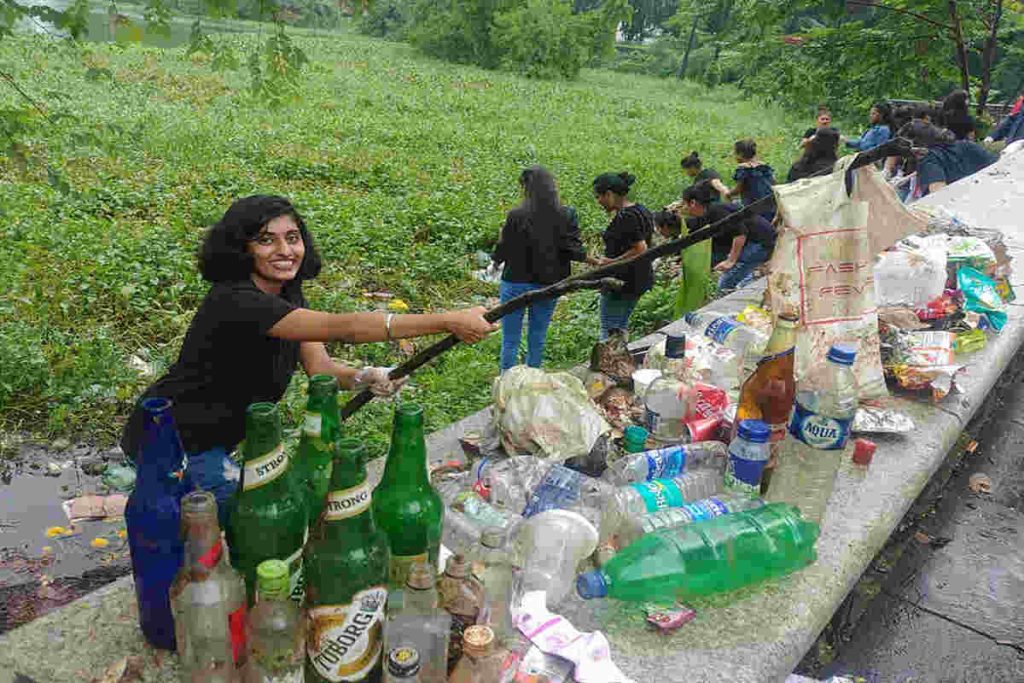
Earth5R’s systems approach integrates real-time monitoring, GIS mapping, community engagement, and environmental analytics into one coherent Sustainability framework.
It transforms raw environmental signals such as sudden increases in turbidity, unexpected spikes in waste generation, or new dumping sites into actionable insights for companies and regulators.
This model benefits ESG because it captures environmental conditions at the micro-level where most impacts originate.Street drains, community wells, slum clusters, and river edges often experience the highest pollution exposure.Earth5R’s work ensures these high-risk areas become visible, quantifiable, and manageable.
The framework strengthens trust between communities, companies, and local governments. It provides verifiable data for ESG disclosures and gives investors confidence that reported sustainability gains correspond to real improvements on the ground.
The Future of ESG Is Real-Time, Transparent, and Community-Centric
As environmental pressures intensify, organisations can no longer rely on slow and static reporting cycles. Waste leakage, water scarcity, and contamination evolve daily, and only real-time monitoring can reflect true environmental performance.
Global institutions including UNEP emphasise that digital environmental intelligence is essential for modern sustainability governance.
Earth5R’s Systems Framework strengthens India’s ability to track waste and water systems continuously, enabling early action, better planning, and transparent reporting.This approach shifts ESG from compliance-based documentation toward measurable, real-world impact.
Companies that adopt real-time ESG practices will lead the transition to credible Sustainability.Communities will benefit from reduced pollution and improved water security.
Investors will gain clearer visibility into environmental risk and long-term value.
FAQs: Why ESG Ratings Must Include Real-Time Waste and Water Data: Earth5R Systems Framework
How do traditional ESG reports fall short?
They rely on yearly disclosures, self-reported metrics, and occasional audits, which fail to capture sudden pollution events, illegal dumping, or shifts in water quality.
Why is India’s waste generation relevant for ESG frameworks?
India generates over 160,000 tonnes of municipal solid waste daily, and much of it remains unprocessed. Real-time tracking helps reveal where waste leaks into landfills, drains, and rivers.
How does real-time monitoring improve accountability?
It makes violations visible immediately. Companies and regulators can act quickly instead of waiting months for audit reports.
What role does water stress play in ESG performance?
Nearly 600 million Indians face water stress. Real-time water-use and water-quality data helps organisations manage withdrawals, improve treatment, and reduce risks.
How does the Earth5R Systems Framework support ESG?
It integrates IoT monitoring, community reporting, GIS mapping, and waste audits into one continuous environmental data system aligned with ESG indicators.
Why is GIS mapping important for ESG assessments?
GIS maps highlight sewage outfalls, dumping sites, contaminated lakes, and landfill overflow paths. Companies can assess exposure and take preventive action.
How does community participation improve ESG outcomes?
Communities identify hotspots, monitor pollution, and report violations. Behavioural data strengthens the “Social” component of ESG ratings.
Can real-time ESG data improve investor confidence?
Yes. Investors trust companies that provide transparent, verifiable performance rather than static compliance-driven reports.
How does real-time monitoring benefit corporate risk management?
It detects issues early, reduces environmental liabilities, and helps avoid regulatory penalties tied to waste and water violations.
What is the role of government programs like OCEMS?
India’s pollution control systems monitor industrial discharge in real time. ESG frameworks can extend this logic across non-industrial ecosystems using Earth5R’s model.
Why must ESG reporting include community-level data?
Environmental risks often appear first in informal settlements, riverbanks, or slum drains. Monitoring these micro-locations gives a more complete risk picture.
How does real-time water-quality data support compliance?
It reveals contamination spikes during rainfall, sewage overflow, or industrial discharge. This helps organisations maintain regulatory standards continuously.
Why are annual waste audits insufficient?
They capture only snapshots. Daily waste generation and leakage patterns can vary widely, especially in dense urban environments.
How does Earth5R measure waste behaviour?
Through segregation tracking, household-level observations, volunteer reporting, and regular waste audits that reveal how communities handle waste daily.
How does real-time data support circular economy goals?
Continuous monitoring shows how much waste is recycled, reused, or leaked. Companies can measure true landfill diversion and improve circularity.
Do real-time ESG dashboards enhance transparency?
Yes. They make environmental performance visible to stakeholders and allow automatic updates of ESG indicators.
How does this framework support India’s national missions?
Real-time monitoring strengthens Swachh Bharat, Namami Gange, Jal Jeevan Mission, and AMRUT 2.0 by improving waste tracking and water-quality oversight.
Why is digital environmental governance becoming global practice?
UNEP and other global bodies highlight the rise of sensor-based environmental intelligence. Digitalisation improves enforcement, transparency, and sustainability outcomes.
How can companies adopt the Earth5R Systems Framework?
By integrating sensors, community data, field audits, and geospatial mapping into their ESG strategy. Earth5R provides the tools, training, and structure to deploy it at scale.
Build the Future of ESG With Real-Time Environmental Intelligence
India’s waste and water challenges can no longer be managed with slow, paper-based reporting systems. Organisations that shift to real-time environmental monitoring will lead the next generation of ESG performance, transparency, and climate resilience.
Earth5R invites corporates, investors, ESG agencies, and city governments to collaborate in deploying real-time waste and water intelligence across factories, communities, and river corridors. By integrating IoT sensors, community reporting, GIS mapping, and continuous audits, you can transform ESG from a compliance requirement into a measurable, high-impact Sustainability strategy.
To adopt the Earth5R Systems Framework or co-create a real-time environmental monitoring program for your region or sector, connect with Earth5R’s Sustainability leadership team. Together, we can build cleaner cities, protect vital water resources, and set a new global benchmark for credible ESG performance
Authored by- Sneha Reji