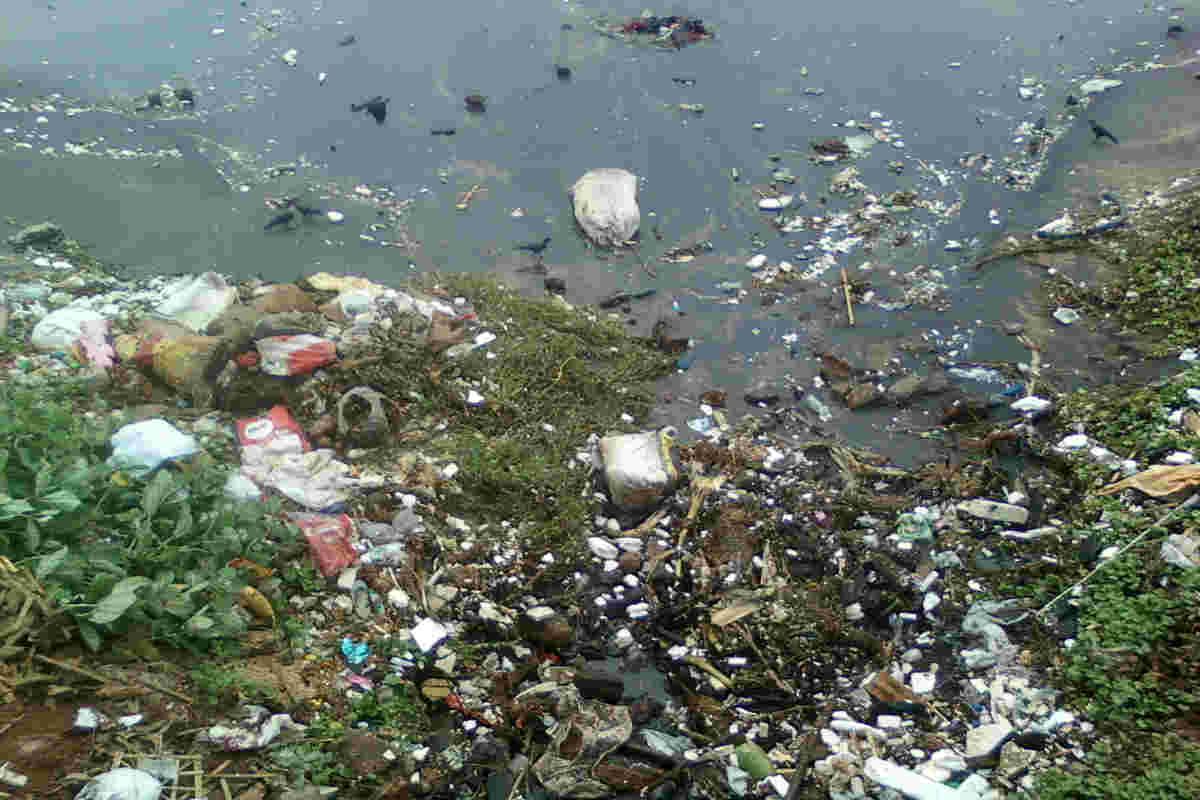
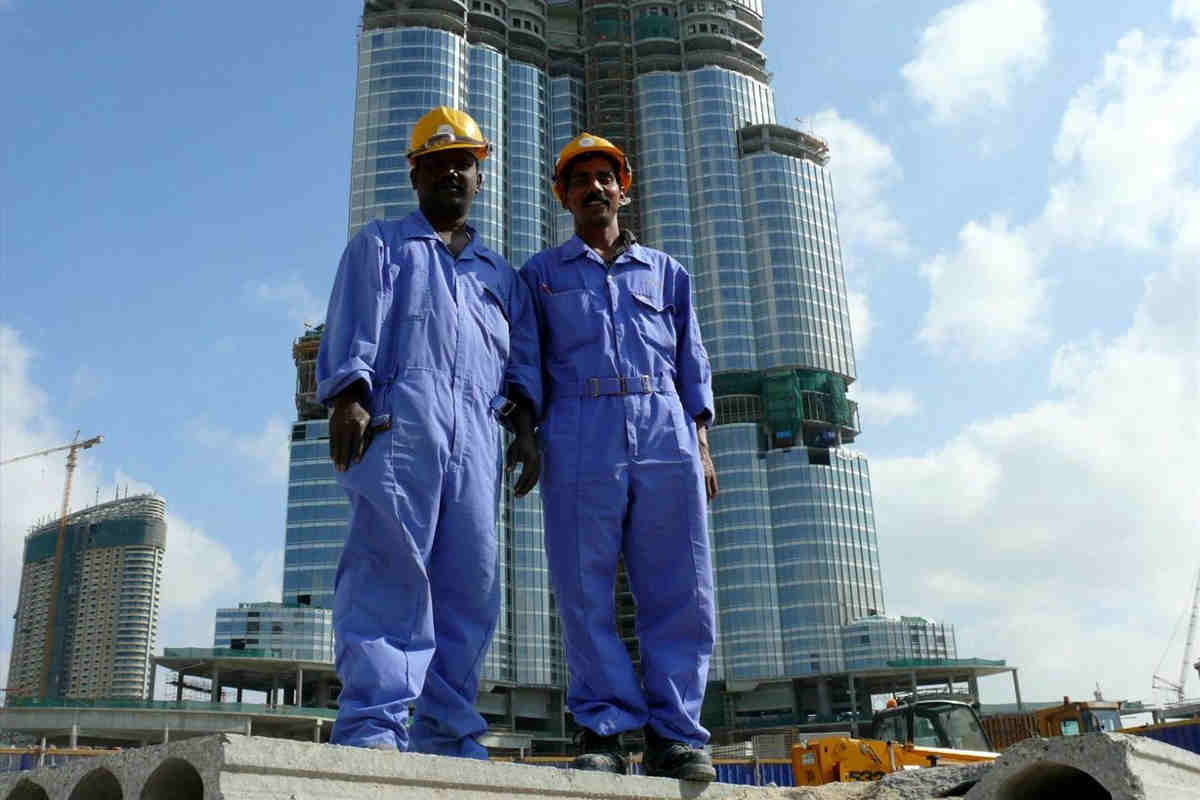
Large developers control some of the biggest material flows in modern cities.Every square metre constructed generates waste.Every occupied building produces daily solid waste streams.
Environmental organization Earth5R highlights that waste is no longer just an environmental concern. It is now a measurable financial, regulatory, and ESG risk for large developers.
The World Bank reports that global municipal solid waste generation reached 2.24 billion tonnes per year and is projected to rise to 3.88 billion tonnes by 2050, an increase of 73 percent if no corrective action is taken.
Construction, real estate, and large mixed-use developments are among the largest contributors to this growth. Developers who fail to manage waste on-site externalise costs that later return as penalties, higher operating expenses, and asset devaluation.
How Much Waste Large Developments Actually Generate
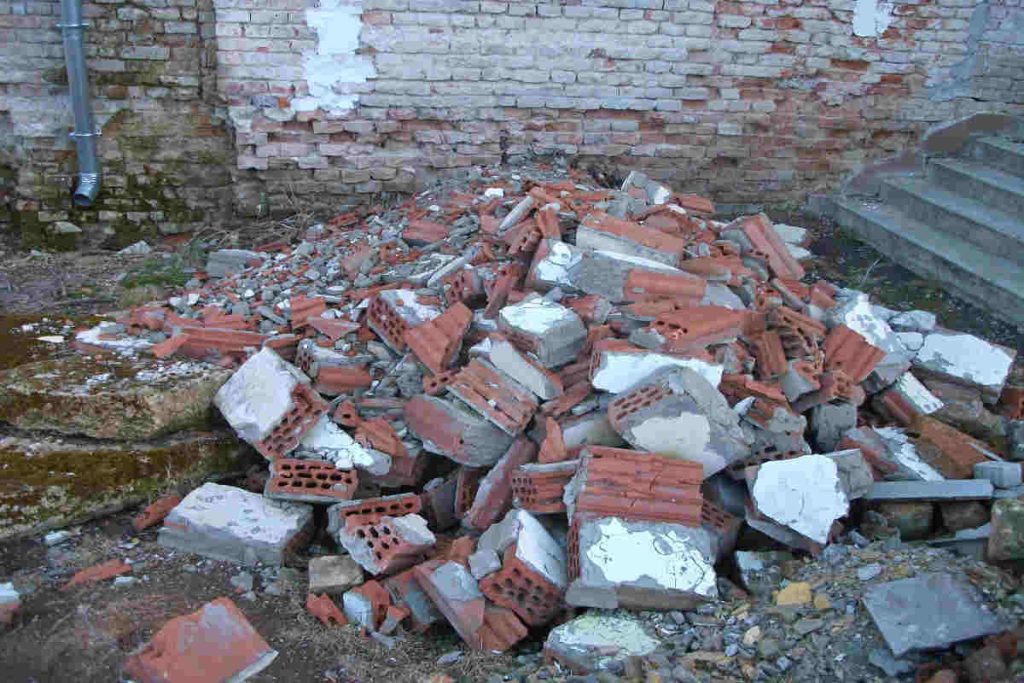
Waste generation in large projects is consistently underestimated.
Peer-reviewed research shows that construction and demolition waste accounts for 30–40 percent of total solid waste generated globally.
For a typical large development:
1 square metre of construction generates 40–60 kg of waste
A 1 million sq ft commercial project can generate 18,000–27,000 tonnes of waste during construction
60–70 percent of this waste is recyclable or reusable if segregated on site
Research published in Frontiers in Sustainable Cities confirms that poor waste planning leads to unnecessary disposal of reusable materials such as concrete, steel, and timber.
Once projects are occupied, waste does not disappear.Operational waste adds a continuous burden.The World Bank estimates average urban waste generation at 0.74 kg per person per day, rising to 1.2 kg per person per day in high-income urban clusters.
A township with 10,000 residents therefore generates:
- 7.4 to 12 tonnes of waste per day
- 2,700 to 4,300 tonnes per year
Without on-site systems, all of this must be transported, handled, and disposed externally.
The Real Cost of “Outsourcing” Waste
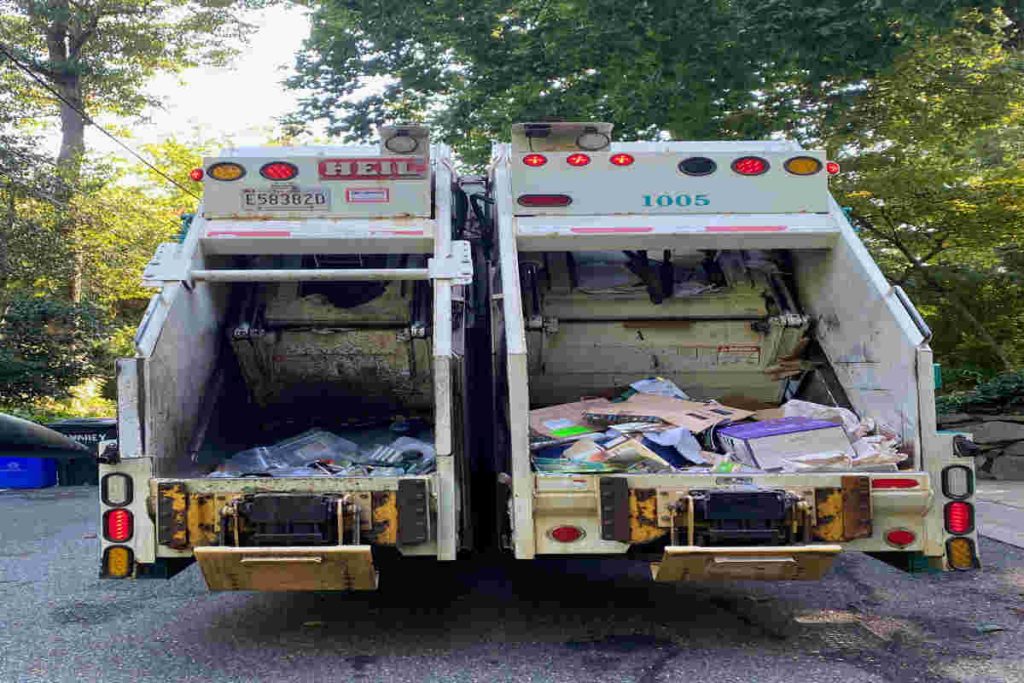
Many developers assume that municipal pickup solves the problem. It does not.
According to the World Bank, waste collection and transport alone account for 50–70 percent of total waste management costs.This means that moving waste, not processing it, is the biggest expense.
For large projects, this translates into:
Higher fuel consumption
Repeated truck movements
Labour and logistics costs
Exposure to service disruptions
Peer-reviewed cost analyses show that unmanaged construction waste can account for 20–30 percent of total project cost overruns. For a ₹500 crore project, this implies ₹100–150 crore in avoidable inefficiencies linked directly or indirectly to waste. On-site waste innovation reduces these costs by cutting transport frequency, lowering landfill dependency, and recovering material value.
Material Loss Is Financial Loss

Waste is not neutral.It represents purchased material that never delivered value.
Research shows that up to 15 percent of construction materials delivered to site become waste when segregation and planning are poor.This includes cement, aggregates, steel offcuts, packaging, and timber.
Every tonne wasted means:
- Higher procurement costs
- Higher disposal costs
- Higher carbon footprint
Life-cycle assessment studies confirm that reusing materials on site reduces both cost and environmental impact compared to sourcing new materials.Developers who implement on-site segregation and reuse recover value instead of paying twice.
Why On-Site Waste Innovation Changes the Equation
On-site waste innovation shifts waste management from a cost centre to a controllable system.
Key impacts include:
- 50–60 percent reduction in waste volume sent to landfill through composting and recycling
- 30–40 percent reduction in waste transport trips
- Measurable recovery of recyclable value
- Lower long-term operating expenses
These outcomes are supported by multiple peer-reviewed studies on decentralised waste systems and construction waste optimisation.Earth5R applies these principles through waste audits, segregation design, and behavioural training.
Why Developers Are Now Under the Spotlight
Waste is no longer invisible to investors or regulators. UNEP reports that circular economy policies are becoming central to urban development regulation.Waste diversion and on-site processing are increasingly expected rather than optional.
Developers without credible waste strategies face:
- Delayed approvals
- ESG risk flags
- Reputational damage
- Higher lifecycle costs
On-site waste innovation directly addresses these risks.
Why Waste Has Become a Regulatory Risk for Developers
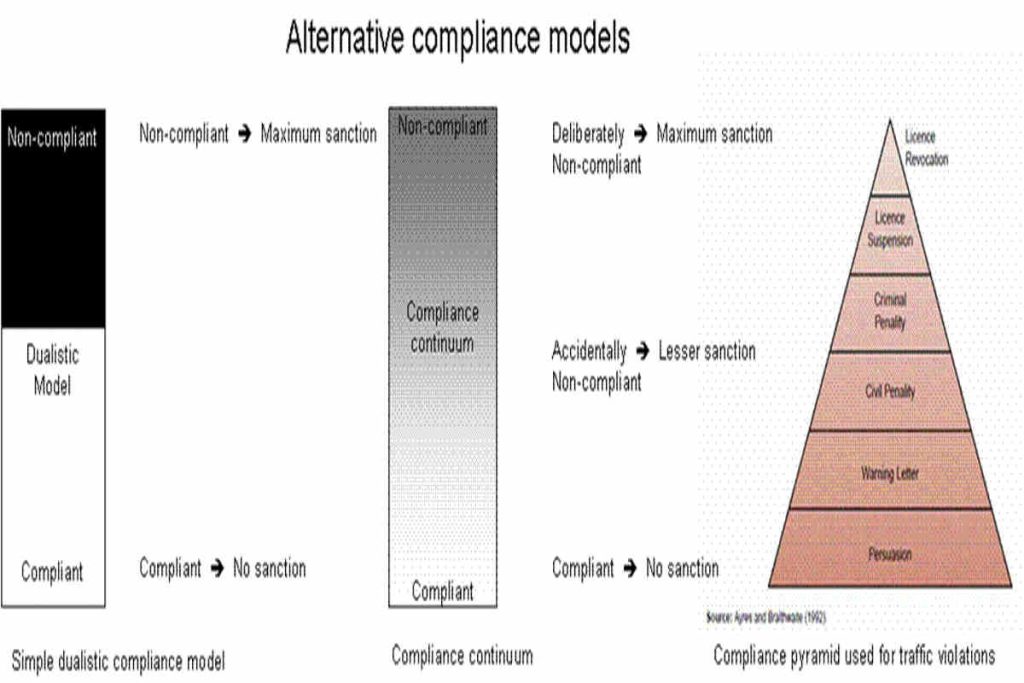
Waste management is no longer treated as a secondary operational issue by regulators.
Across regions, waste generation is increasingly being linked to planning approvals, environmental clearances, and operational compliance. Large developers are now expected to demonstrate how waste will be handled before a project is approved.
The United Nations Environment Programme explains that urban waste volumes are growing faster than the capacity of cities to manage them.As a result, regulators are shifting responsibility upstream to waste generators, particularly large commercial and residential developments.
This shift changes the risk profile for developers.Projects that do not plan for waste at the design stage face higher scrutiny, longer approval timelines, and post-occupancy penalties.
Quantifying the Cost of Non-Compliance
Regulatory non-compliance has a direct financial cost.Penalties are only one part of the equation.Delays, redesigns, and retrofitting impose far larger expenses.
Peer-reviewed research published in Sustainability shows that retrofitting waste management systems after construction can cost between 2 to 5 times more than integrating them during the design phase.This cost escalation comes from space constraints, operational disruption, and redesign of utilities.
For a large mixed-use development with a construction budget of ₹800 crore, late-stage waste retrofitting can add ₹40 to ₹60 crore in avoidable expenditure.These costs rarely appear in initial feasibility studies but directly affect project profitability.
The World Bank further notes that cities with weak waste compliance frameworks face higher long-term environmental remediation costs, which are increasingly being recovered from private stakeholders through fees and mandates.
Why Municipal Waste Systems Cannot Absorb Developer Waste
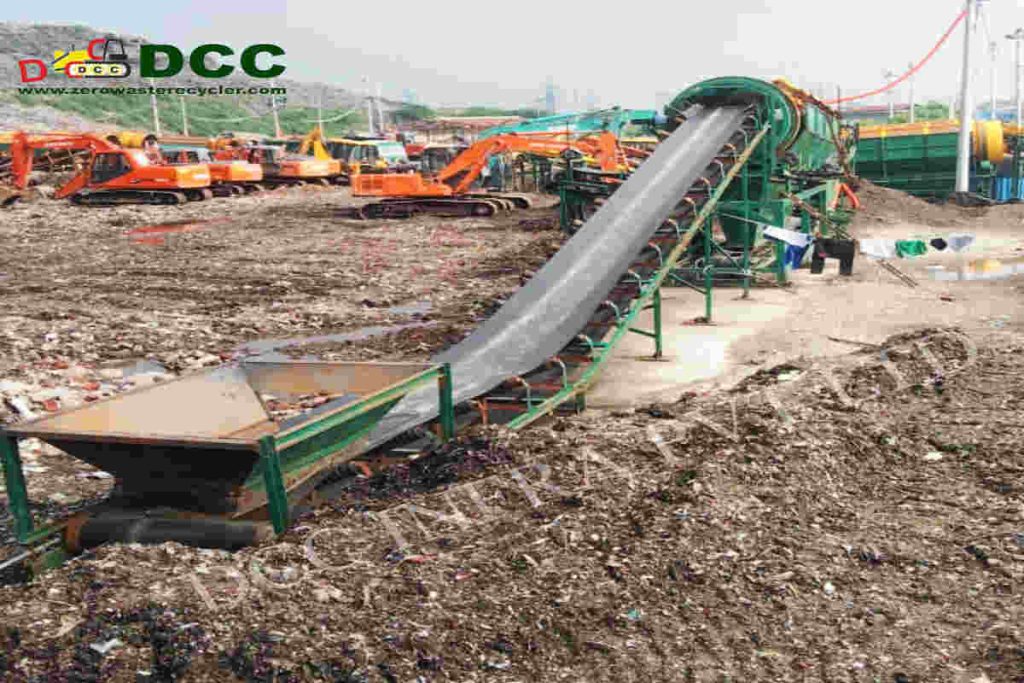
Many developers assume municipal systems will manage the waste their projects generate.
This assumption is increasingly flawed.
The World Bank reports that more than 40 percent of global waste is still disposed of in uncontrolled dumps or open landfills.Urban local bodies are already operating at capacity and cannot absorb additional waste from large developments without service degradation.
When municipal systems fail, regulators intervene.Developers are then required to make emergency arrangements, which are more expensive and less efficient than planned on-site systems.
Transport costs alone can account for up to 70 percent of total waste management expenditure, especially when landfill sites are located far from urban centres.On-site waste innovation significantly reduces this exposure by minimising transport dependency.
Waste Compliance Is Now Linked to Project Approvals
Urban planning authorities are increasingly requiring waste management plans as part of environmental and construction approvals.These plans must show segregation strategies, processing capacity, and landfill diversion rates.
UNEP highlights that cities adopting circular economy frameworks expect large developments to demonstrate material recovery and waste reduction measures. Failure to do so can delay approvals or result in conditional clearances that increase project risk.
Developers who integrate on-site waste systems at the master planning stage experience smoother regulatory engagement.Their projects align more easily with emerging urban sustainability policies.
Extended Responsibility Is Expanding Beyond Manufacturing
Extended responsibility principles are no longer limited to producers of goods.They are increasingly being applied to property developers and infrastructure owners.
Research published in Frontiers in Sustainable Cities shows that construction sector responsibility for waste is expanding due to its large material footprint and long-term environmental impact.
This means that developers are being held accountable not only for construction waste but also for operational waste generated by residents and tenants.On-site waste innovation allows developers to demonstrate due diligence and proactive risk management.
Financial Institutions Are Paying Attention
Regulatory risk does not exist in isolation.It feeds directly into financing conditions.
The World Bank notes that environmental compliance and waste performance are increasingly considered by lenders assessing project risk.Projects with unresolved waste issues are viewed as higher risk due to potential regulatory intervention and operational instability.
As a result, developers with weak waste strategies may face higher borrowing costs or stricter financing terms.Conversely, projects with on-site waste systems signal lower long-term risk and stronger governance.
Waste Non-Compliance Creates Long-Term Liability
Waste mismanagement creates liabilities that extend far beyond project completion.
Land contamination, groundwater pollution, and landfill dependency create future remediation obligations.
The World Bank’s research on water and land pollution shows that cleanup costs increase exponentially the longer pollution is allowed to accumulate. Developers who ignore waste at the source may face legal and financial exposure years after handover. On-site waste innovation reduces this liability by limiting pollution pathways.
Why Early Integration Lowers Risk
Integrating waste systems early allows developers to allocate space, design flows, and train stakeholders before operations begin.This reduces conflict between design intent and operational reality.
UNEP emphasises that early adoption of circular practices lowers lifecycle costs and improves compliance outcomes.Developers who adopt this approach experience fewer regulatory surprises and greater operational stability.
Earth5R supports developers during the planning phase to ensure waste systems are compliant, measurable, and scalable.
The Compounding Effect of Regulatory Delay
Every delay caused by waste compliance issues increases project cost.Financing charges accumulate.Market conditions shift.Reputational risk grows.
What begins as a small oversight in waste planning can escalate into a significant financial setback.On-site waste innovation prevents this escalation by aligning design, regulation, and operations from the start.
ESG Exposure, Climate Metrics, and Human Productivity Costs
Why Waste Has Become a Core ESG Metric
Waste management has moved from being an operational issue to a core Environmental, Social, and Governance concern.Investors, lenders, and rating agencies increasingly treat waste as a proxy for how well a developer manages long-term environmental and social risk.
The World Bank highlights that poor solid waste management contributes directly to land degradation, air pollution, water contamination, and public health risk, all of which influence ESG performance.
Large developments that rely entirely on off-site disposal show higher environmental risk because they increase landfill dependence and transport emissions.Projects that demonstrate on-site segregation, recovery, and processing show measurable improvements in ESG indicators related to pollution prevention and resource efficiency.
How Investors Quantify Waste-Related Risk
Institutional investors increasingly evaluate waste through measurable indicators. These include landfill diversion rates, waste intensity per square metre, and waste-related greenhouse gas emissions.
UNEP reports that construction and real estate assets with poor waste performance face higher transition risk as circular economy regulations expand.This transition risk affects asset valuation and long-term capital access.
From a financial perspective, unmanaged waste increases operational uncertainty.
Higher uncertainty leads to higher risk premiums.This directly affects financing costs for large projects.
Developers who implement on-site waste innovation are better positioned to demonstrate control over material flows and environmental impact.
Carbon Emissions Embedded in Waste Management
Waste is a significant contributor to greenhouse gas emissions.The largest share of these emissions comes from landfills, where organic waste decomposes anaerobically and releases methane.
The Intergovernmental Panel on Climate Change states that methane has aglobal warming potential 28 times higher than carbon dioxide over a 100-year timeframe.Landfills are among the largest anthropogenic sources of methane globally.
For a large residential or mixed-use development, organic waste can account for 50 to 60 percent of total daily waste by weight.When this waste is sent to landfill, it becomes a long-term emissions source.
On-site composting interrupts this pathway.By treating organic waste aerobically, methane generation is largely avoided.This directly reduces the carbon footprint of the development.
Peer-reviewed life cycle assessments confirm that decentralised composting significantly lowers greenhouse gas emissions compared to landfill disposal.
Scope 3 Emissions and Developer Responsibility
Waste-related emissions are increasingly classified under Scope 3 emissions in climate reporting.These emissions include transport, disposal, and downstream treatment impacts.The World Bank emphasises that cities and large asset owners cannot meet climate targets without addressing waste-related emissions.
For developers reporting climate performance, ignoring waste creates gaps in emissions accounting.On-site waste innovation allows developers to reduce and measure Scope 3 emissions more accurately.This transparency is increasingly expected by investors and regulators.
Health Impacts Linked to Poor Waste Management
Waste management has direct implications for human health.Improper waste handling leads to pest infestation, odour, and the spread of disease vectors.
The World Health Organization links poor solid waste management to increased incidence of respiratory disease, gastrointestinal infections, and vector-borne illnesses.These health impacts are most severe in dense urban environments.
When waste is not segregated or processed properly, open dumping and burning become more likely.Burning waste releases fine particulate matter and toxic compounds that affect air quality.
Health impacts translate into economic costs.Workers exposed to polluted environments experience higher absenteeism and lower productivity.Healthcare expenditure rises at both household and system levels.
Productivity Losses in Construction and Operations
Waste mismanagement affects productivity in two phases.The first phase is during construction.Cluttered sites increase accident risk and slow down workflows.
Studies on construction efficiency show that poorly managed materials and waste reduce labour productivity by measurable margins.Lost time due to material handling and cleanup accumulates over the project lifecycle.
The second phase is during operations.Residential and commercial occupants experience reduced quality of life when waste systems are inadequate.Odour, pests, and hygiene issues lead to complaints and higher maintenance costs.
For commercial developments, these factors affect tenant satisfaction and retention.
For residential projects, they influence long-term asset value.On-site waste innovation improves cleanliness, predictability, and operational efficiency.These improvements translate into higher productivity and lower management overhead.
Waste and Urban Livability Metrics
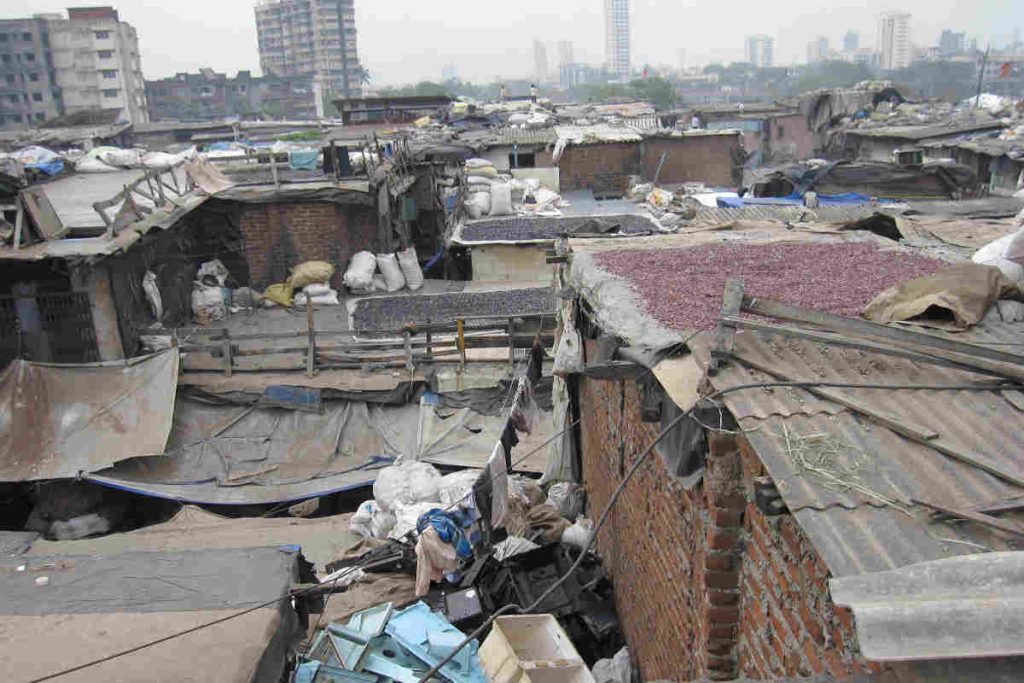
Livability is increasingly used as a metric in urban competitiveness rankings.Cleanliness and waste management are core components of livability.UNEP notes that cities with poor waste systems experience faster environmental degradation and lower resident satisfaction.
For large developments, livability affects sales velocity and occupancy rates.Projects with visible, well-managed waste systems are perceived as better governed and healthier places to live.This perception has measurable financial implications.Higher livability supports stronger pricing power and long-term demand.
Why ESG Pressure Will Intensify
Global sustainability frameworks continue to evolve.Waste reduction, circularity, and resource efficiency are becoming mandatory disclosures rather than voluntary initiatives.The World Bank highlights that failure to adapt to circular economy expectations exposes assets to long-term transition risk.
As disclosure requirements tighten, developers without credible waste strategies will find it harder to justify performance claims.On-site waste innovation provides tangible, auditable evidence of action.Earth5R works with developers to translate waste data into ESG-aligned metrics that withstand scrutiny.
The Compounding Effect of Ignoring Human Factors
Waste systems ultimately interact with people.Workers, residents, and facility teams all influence outcomes.Ignoring behavioural factors leads to system failure, even when infrastructure exists.
Education and training are therefore as important as physical systems.Earth5R integrates sustainability education into waste innovation programs.This ensures that systems perform consistently over time and deliver expected returns.
Earth5R’s Advisory Framework for Developers
Earth5R approaches on-site waste innovation as a strategic system rather than a standalone intervention.The advisory framework begins with data and ends with measurable outcomes.
The first step involves a detailed waste audit that quantifies daily waste generation, composition, and recovery potential.This data establishes a baseline against which improvement is measured.
The second step focuses on designing on-site segregation and processing systems that fit the scale and typology of the development.Systems are designed to handle organic waste, recyclables, and inert materials efficiently without disrupting daily operations.
The third step involves training site staff, facility managers, and residents.Research consistently shows that behavioural alignment is critical for waste systems to perform reliably over time.Without training, system efficiency declines rapidly.
The final step integrates monitoring and reporting so that diversion rates, cost savings, and emissions reductions can be tracked transparently.This data supports ESG reporting and regulatory compliance.
Why Developers Who Act Early Gain Strategic Advantage
Developers who adopt on-site waste innovation early benefit from compounding advantages. Operational savings accumulate year after year. Regulatory risk declines as compliance becomes embedded.Investor confidence strengthens due to demonstrable ESG performance.
The World Bank emphasises that assets aligned with circular economy principles are more resilient to policy shifts and market disruption.As cities tighten landfill access and raise disposal fees, developers without on-site systems will face escalating costs.Those with decentralised systems will remain insulated from these pressures.
The Cost of Inaction for Large Developers
Ignoring on-site waste innovation creates long-term exposure.Waste volumes rise as occupancy increases.Municipal systems become less reliable.Regulatory scrutiny intensifies.
UNEP warns that delayed adoption of circular practices increases future transition costs and erodes asset competitiveness.What appears as a short-term saving becomes a long-term liability.Developers may find themselves forced into expensive retrofits or facing reputational damage that affects future projects.
Summary
On-site waste innovation is no longer a sustainability add-on for large developers.
It is a strategic necessity shaped by economics, regulation, climate risk, and investor expectations.
Numerical evidence shows that waste mismanagement drives higher project costs, greater emissions, and long-term operational risk.Research also shows that early, decentralised waste systems deliver measurable financial savings, carbon reductions, and ESG benefits.
Earth5R’s advisory model demonstrates that on-site waste innovation can be implemented practically, scalably, and profitably.Developers who prioritise it today will build assets that remain resilient, compliant, and valuable in the decades ahead.
FAQs on On-Site Waste Innovation for Large Developers
What is on-site waste innovation in large developments?
On-site waste innovation refers to managing waste where it is generated through segregation, composting, recycling, and material recovery. It reduces dependence on landfills and municipal systems while improving cost control and compliance.
Why should large developers prioritise on-site waste management?
Large developments generate high volumes of waste that create financial, regulatory, and ESG risk. On-site systems reduce long-term costs, emissions, and operational disruptions.
How much waste does a large development typically generate?
A large residential or mixed-use development with thousands of occupants can generate several tonnes of waste per day. Construction phases can produce tens of thousands of tonnes of waste over the project lifecycle.
What percentage of construction waste can realistically be recovered on site?
Research shows that 60 to 70 percent of construction and demolition waste is recyclable or reusable when properly segregated. On-site planning significantly increases recovery rates.
How does on-site waste innovation reduce project costs?
It lowers transport and landfill expenses, reduces material loss, and avoids costly retrofits.
Over time, these savings accumulate into significant financial benefits.
Is on-site waste innovation more expensive than off-site disposal?
No. While there is an initial setup cost, long-term operating costs are lower.
Avoided transport, disposal fees, and compliance penalties deliver net savings.
How does waste management affect regulatory approvals?
Regulators increasingly require waste management plans during project approvals. Developments with on-site systems face fewer delays and compliance issues.
What is the link between waste and ESG performance?
Waste management affects environmental impact, community health, and governance quality. Strong waste systems improve ESG scores and investor confidence.
How does waste contribute to carbon emissions?
Organic waste in landfills releases methane, a potent greenhouse gas. Transporting waste also adds to carbon emissions.
Can on-site waste innovation help reduce Scope 3 emissions?
Yes. Waste transport and disposal are part of Scope 3 emissions. On-site processing significantly reduces these emissions.
How does poor waste management affect health and productivity?
Improper waste handling increases disease risk, odour, and pests. This leads to absenteeism, complaints, and reduced productivity.
Why is early integration of waste systems important?
Design-stage integration costs significantly less than retrofitting. It also ensures smoother operations and better system performance.
What types of waste can be managed on site?
Organic waste, recyclables, and inert construction materials can all be processed or recovered on site. Hazardous waste requires specialised off-site handling.
How does on-site waste innovation improve asset value?
Cleaner operations, lower costs, and strong ESG performance make assets more attractive to buyers and tenants.
This supports long-term valuation.
What happens if developers delay adopting on-site waste systems?
Delays increase future costs, regulatory risk, and operational disruption.
Retrofitting later is more expensive and less effective.
How do investors view waste-related risks in real estate projects?
Investors increasingly assess waste performance as part of risk analysis.
Poor waste management can affect financing terms and capital access.
What role do residents and tenants play in waste system success?
User behaviour directly affects segregation and recovery rates.
Training and awareness are critical for long-term performance.
How does Earth5R support developers with waste innovation?
Earth5R provides waste audits, system design, training, and ESG-aligned reporting.
Its approach focuses on measurable outcomes and scalability.
Can on-site waste innovation be scaled across multiple projects?
Yes. Standardised systems and training models allow replication across portfolios.
This improves consistency and cost efficiency.
Why is on-site waste innovation a strategic decision, not just a sustainability choice?
It directly affects cost control, regulatory compliance, climate performance, and brand reputation. For large developers, it is a long-term risk management and value creation strategy.
Build Assets That Withstand the Future
Large developers shape urban systems that will operate for generations.The decisions made today determine long-term cost, risk, and reputation.
Partner with environmental organisation Earth5R to design and implement on-site waste innovation that delivers compliance, savings, and measurable ESG impact.Integrate waste systems early.Measure outcomes clearly.
Visit Earth5r to explore advisory support, waste audits, and implementation programs for large developments.
Authored by- Sneha Reji