
Why Citizen-Led Cleanups Matter
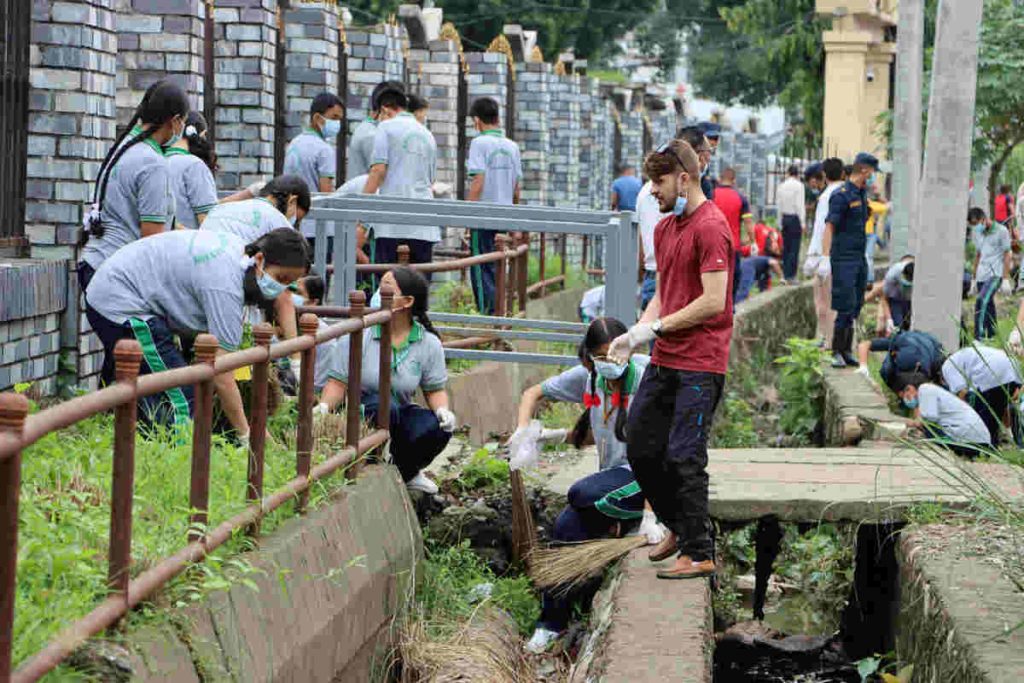
Across India, waste, pollution, and degraded water bodies remain a persistent challenge despite government efforts.Environmental NGOs, community groups, and local citizens are increasingly stepping in to fill the gap with citizen-led cleanups.Such community-driven efforts often prove more agile, persistent, and socially rooted than large-scale government-led schemes.
Citizen-led cleanups harness local knowledge, stakeholder ownership, and social pressure to deliver real results.They transform neglected public spaces, restore rivers and lakes, and mobilise volunteers.In many cases, these grassroots initiatives outperform government projects in terms of speed, cost-efficiency, and sustainability of impact.
This Earth5R case compilation draws from multiple citizen-led cleanup initiatives across India.It highlights ten successful examples where community action has produced measurable environmental benefits.
The goal of this review is to show that empowered citizens supported by NGOs, local institutions, and sometimes CSR funding can drive meaningful environmental cleansing and regeneration.
The Scale of the Problem: Why Community Action Is Needed
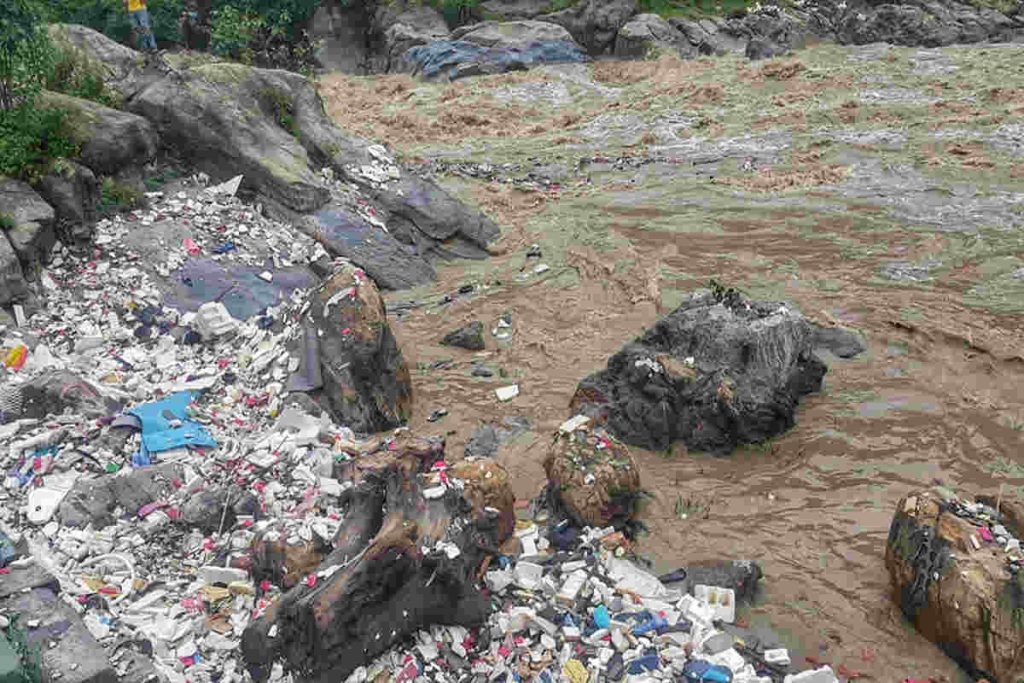
Solid waste generation worldwide is rising fast, especially in rapidly urbanising countries like India.A major study by the World Bank estimates that urban waste generation will nearly double by 2050 worldwide if waste management systems are not strengthened.
Traditional municipal waste and river-cleanup projects face multiple challenges: limited resources, bureaucratic delays, under-funding, lack of community ownership, and poor maintenance.As a result, many government-led cleanups fail to deliver sustained impact.
Academicresearch suggests that community-led waste abatement campaigns often produce larger reductions in environmental waste than equivalent investments in formal policy or infrastructure.Citizen-driven cleanups also foster public awareness, behaviour change, and social accountability; outcomes that infrastructure alone cannot guarantee.
Given these structural limitations, citizen-led cleanup initiatives offer a parallel, and often more effective, path toward cleaner rivers, cities, and public spaces.
Why Citizen-Led Cleanups Can Outperform Government Projects
Community cleanups leverage social capital and local commitment. Volunteers often care deeply about their local environment and are motivated by a sense of responsibility.
Because they operate on smaller scales, citizen efforts avoid many of the complexities and overheads that slow large bureaucratic projects.
Research highlights several advantages of community-managed cleanups: lower cost, faster mobilization, higher local engagement, and better adaptability.Moreover, when communities directly participate, awareness of waste management practices, prevention of littering, and social pressure against dumping tend to rise; leading to longer-term behavioural change.
For NGO-led citizen initiatives, combining local activism with structured methods, data tracking, and stakeholder collaboration (community, government, corporate) further improves success.This model aligns well with the mission of NGOs like Earth5R which combines community engagement, environmental science, and sustainability frameworks to support effective restoration.
1.Versova Beach Cleanup, Mumbai – From Global Symbol of Plastic Pollution to Global Model of Civic Action
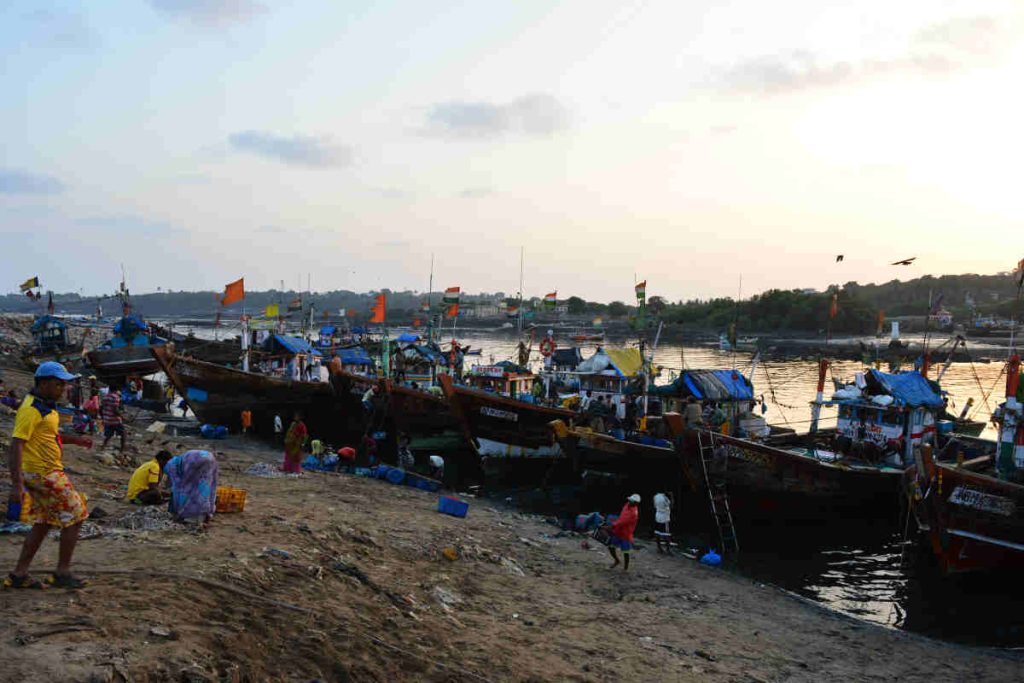
Versova Beach had become one of Mumbai’s most polluted coastlines, with layers of plastic up to knee height during high tide. Municipal cleanups were episodic and lacked local engagement, resulting in quick re-accumulation of waste.
Citizens under Afroz Shah’s leadership began weekly cleanups, attracting students, residents, fisherfolk, expatriates, and corporate volunteers. The initiative persisted for over 100 consecutive weekends, removing more than 20 million kg of plastic and marine debris.
What made it outperform government efforts:
• Consistent weekly action instead of one-day events
• Community ownership that prevented repeat dumping
• Engagement of coastal communities, especially fishing families
• Integration with behavior-change campaigns and segregation awareness
Long-term impact:
• Turtles returned to Versova for the first time in decades
• Global recognition by the United Nations
• Civic model replicated at other Mumbai beaches (Juhu, Dadar, Mahim)
2. Kaikondrahalli Lake, Bengaluru – A Citizen-Governed Urban Waterbody
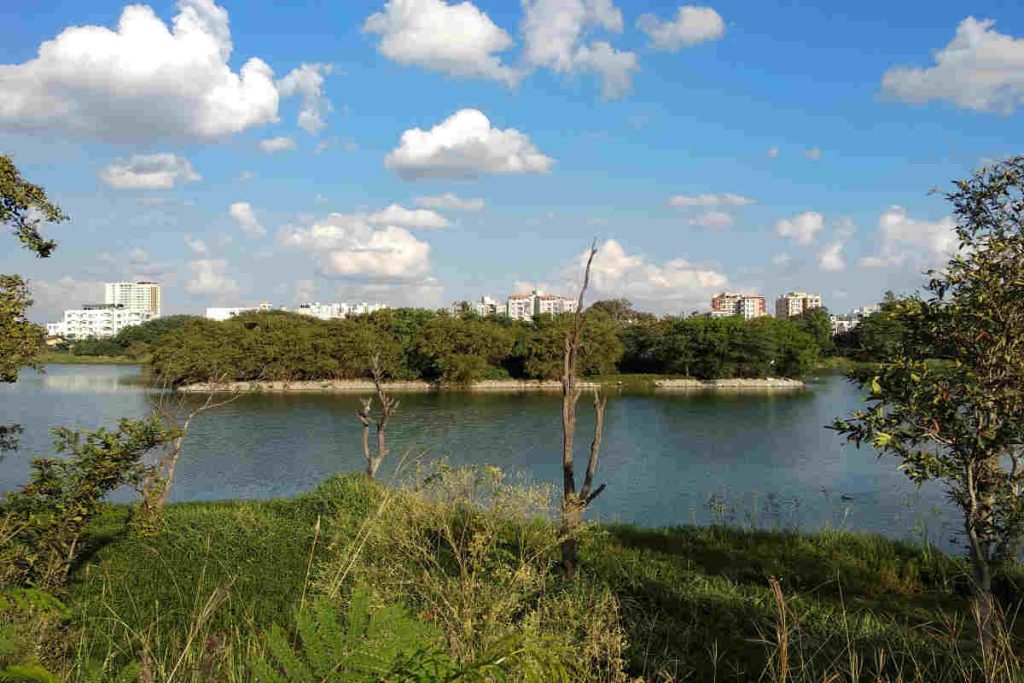
Kaikondrahalli Lake was heavily encroached and choked with sewage inflow before residents intervened. Government-led projects had failed due to lack of maintenance and community exclusion.
Local citizens formed a lake trust that:
• Coordinated with municipal officials
• Stopped encroachments
• Built walking paths, wetland zones, and bird habitat
• Introduced solid-waste barriers
• Organized regular volunteer maintenance
How citizens outperformed municipal plans:
• Regular monitoring prevented sludge accumulation
• Residents ensured contractors followed ecological guidelines
• Local stewardship reduced vandalism and illegal dumping
Long-term impact:
• Lake transformed into one of Bengaluru’s most biodiverse urban ecosystems
• Increased groundwater levels in surrounding neighborhoods
• Strong governance template that inspired revival of other lakes
3. Puttenahalli, Pichhola & Other Lakes – The India Water Portal “Water Warriors” Model
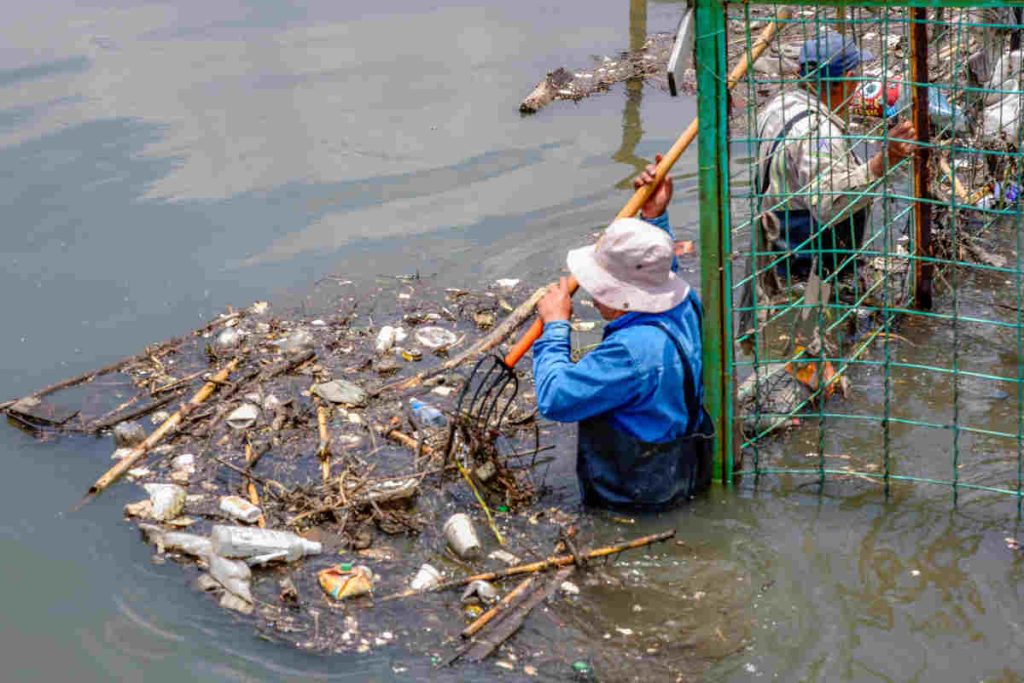
Across India, multiple communities revived waterbodies without waiting for government action. Examples include:
• Puttenahalli Lake, Bengaluru – revived by citizens through fencing, deweeding, sewage diversion, and monitoring
• Pichhola Lake, Udaipur – local groups worked to reduce tourist waste, desilt ghats, and protect heritage water structures
Why these citizen cleanups succeeded:
• Rapid mobilization without tender delays
• Local accountability ensured post-cleanup monitoring
• Partnerships with schools and NGOs created long-term stewardship
Impact:
• Significant reductions in floating waste
• Improved waterbird habitat and local microclimate
• Stronger community-government collaboration
4. Chikkaballapur Lake Revival – Community Funding and Collective Action
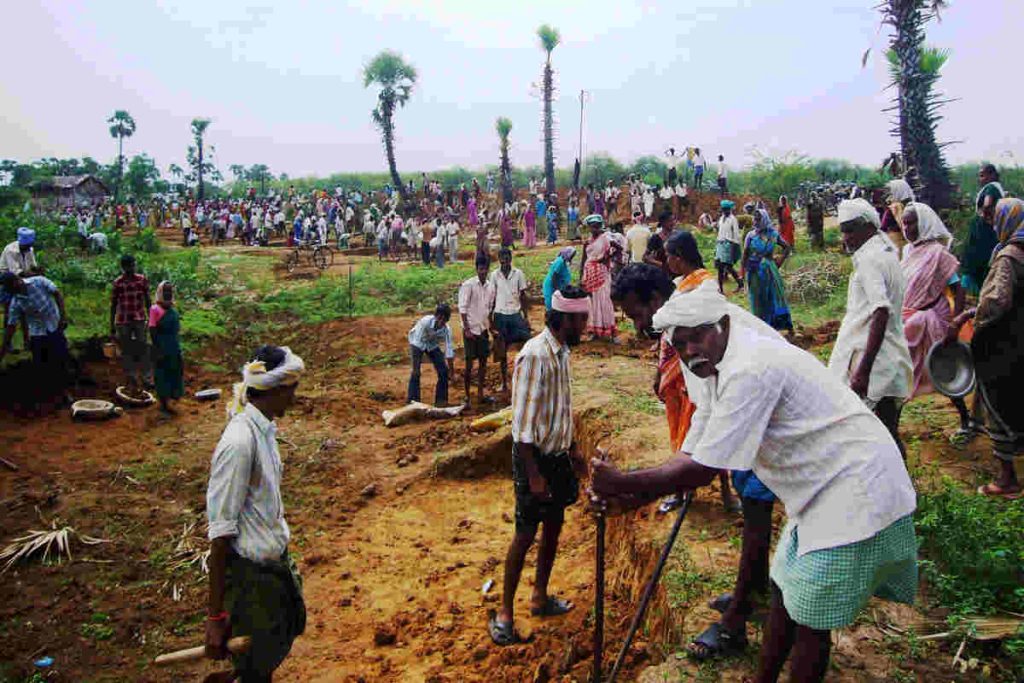
Instead of waiting for state funding, citizens and a district officer revived 12 lakes using a self-financing model; selling desilted soil to farmers who benefited from nutrient-rich sediment.
How this outperformed government projects:
• Zero bureaucratic delay
• Financial sustainability through sediment sales
• Complete transparency, increasing citizen trust
Impact:
• Revived lakes recharged groundwater across several gram panchayats
• Increased crop yields due to improved water access
• District saw measurable microclimatic benefits
5. Siruthuli, Coimbatore – One of India’s Most Organised Citizen Eco-Movements
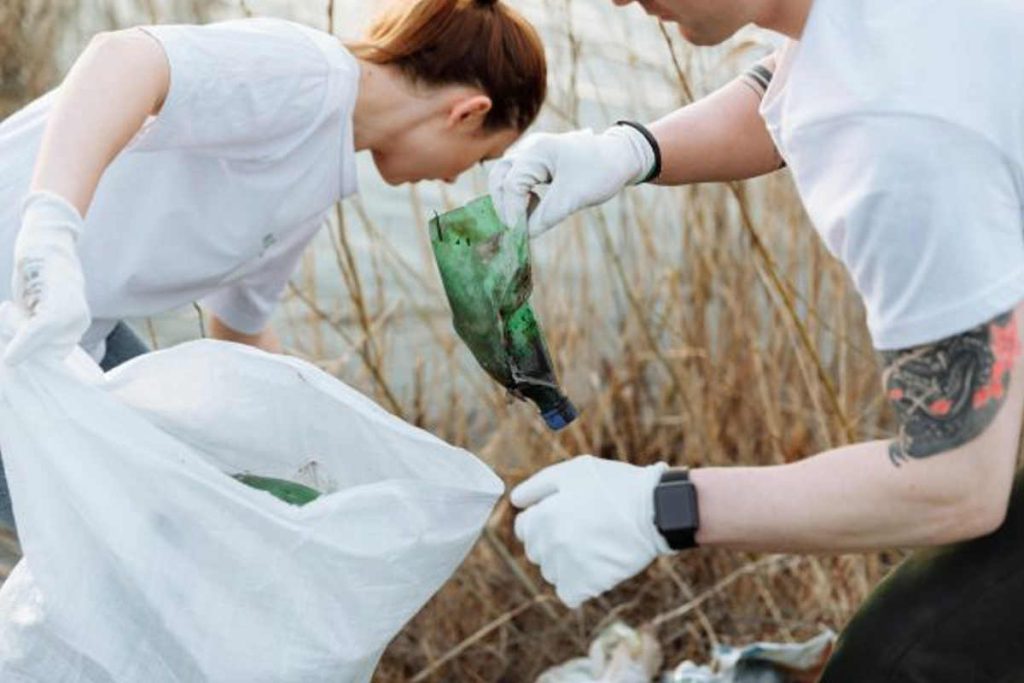
Siruthuli mobilised thousands of volunteers to restore Coimbatore’s tanks, lakes, and river channels, removing invasive species, clearing trash, and increasing water storage.
What made their model unique:
• Corporate volunteering integrated into cleanup cycles
• Use of ecological engineers to restore hydrology
• Rigorous data tracking for water levels and biodiversity
Impact:
• Reduction in urban floods due to restored drainage
• Rejuvenated lakes improved water availability
• Continuous education programs strengthened civic awareness
6. Environmentalist Foundation of India (EFI) – Scientific Cleanups Across India
EFI uses a science-based approach to restore lakes and ponds across India, involving community volunteers in ecological cleanup activities.
Why EFI cleanups succeed:
• Engineering solutions added to volunteer labour
• Scientific habitat design (nesting islands, bund formation)
• Long-term maintenance contracts with local bodies
Impact:
• Cleaned and restored over 100 water bodies
• Citizens participate in monitoring and seasonal maintenance
• Strengthened biodiversity in several urban ecosystems
7. Tamil Nadu Water Warrior Movements – Massive Volunteer Participation
Across Tamil Nadu, thousands of students, workers, and fisherfolk collectively cleaned polluted lakes such as Thamirabarani, Vellalore Lake, and others.
What made these cleanups outperform municipal drives:
• Scale of volunteer turnout (sometimes 3,000+ people)
• Removal of tonnes of waste in single events
• Follow-up awareness programs conducted by volunteers themselves
Impact:
• Clean water bodies led to increased fish populations
• Reduction in plastic waste entering estuaries
• Volunteer model replicated in other districts
8. Ramveer Tanwar “Pond Man of India” – Youth-Led Rural Waterbody Revival
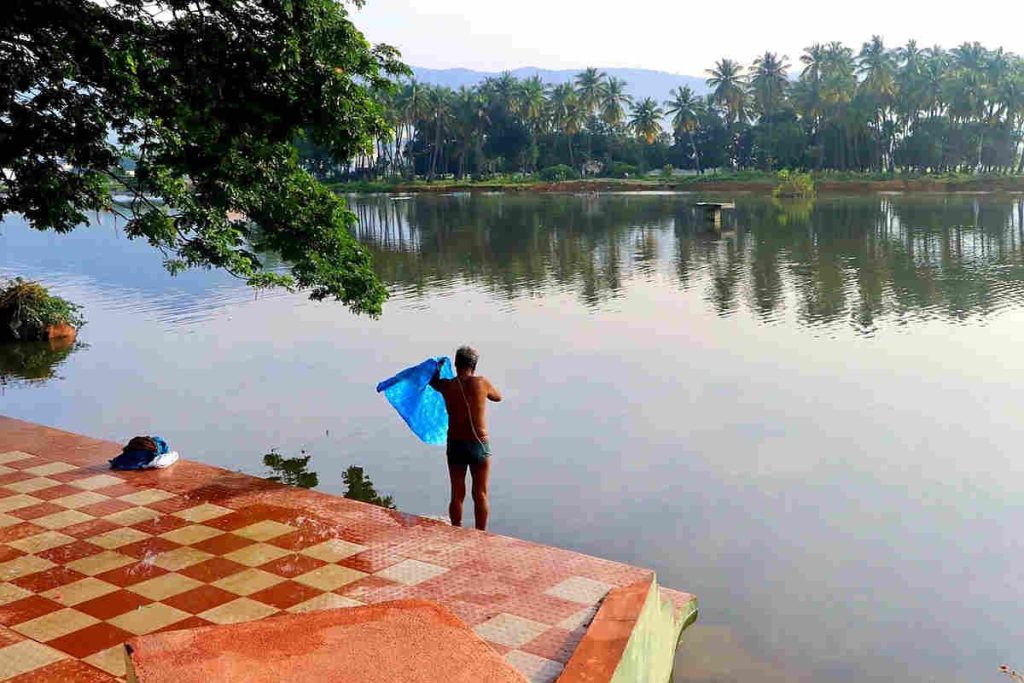
Ramveer Tanwar organized community-driven cleanups across Uttar Pradesh, reviving nearly 80 ponds through waste removal, de-silting, and green fencing.
Why the model is powerful:
• Youth volunteers engaged through social media
• Local panchayats provided machinery and logistics
• Villagers participated directly, ensuring maintenance
Impact:
• Revival of traditional water systems
• Increased groundwater recharge
• Strengthened village cohesion and environmental pride
9. Jal Sahelis – Women Restoring Water Systems in Bundelkhand
In drought-prone Bundelkhand, groups of rural women called Jal Sahelis rebuilt check-dams, revived ponds, and removed trash from water channels.
How they outperformed top-down interventions:
• Tackled both water scarcity and pollution
• Mobilised women, creating social accountability
• Focused on long-term water security, not short-term cleanup
Impact:
• Revived dozens of traditional water bodies
• Deeper community ownership of local water resources
• Improved agricultural reliability and household water access
10. Earth5R River Guardians – Structured, Scalable Citizen Environmental Action
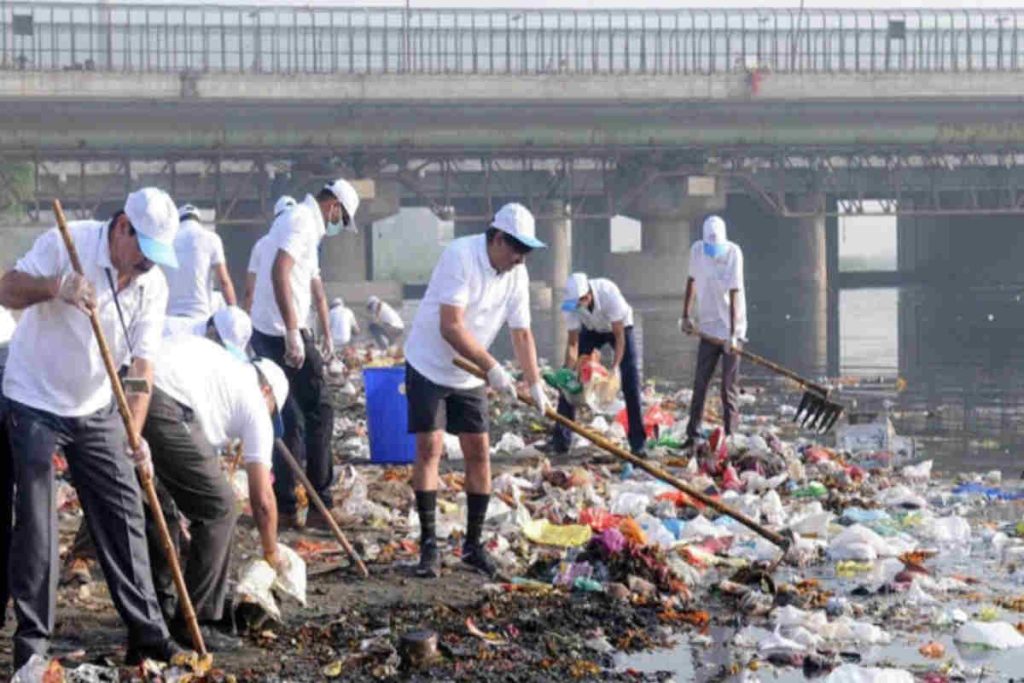
Earth5R’s River Guardians program trains citizens to identify pollution hotspots, clean river stretches, segregate waste, and collect environmental data.
What differentiates Earth5R’s model:
• Cleanups integrated with waste audits and source segregation training
• Data reporting supports ESG and CSR frameworks
• BlueCities methodology supports long-term river restoration
Impact:
• Reduced waste dumping along urban rivers
• Activated communities as long-term environmental stewards
• Provided corporates with measurable CSR and ESG outcomes
Why Citizen-Led Cleanups Often Outperform Government Projects
Structural Advantages of Citizen-Led Cleanups
Citizen-led cleanups are small in scale but strong in focus.They avoid the bureaucratic delays that often slow government tenders, clearances, and budget approvals.Communities act directly on what they see, using simple tools and local coordination.
These initiatives also mobilise social capital.Residents, students, fisherfolk, and workers contribute time, labour, and local knowledge.This human capital is difficult to replicate through purely contractor-driven projects.
Because citizens live with the results, they monitor progress closely.They quickly identify when dumping resumes or when drains clog again.This continuous local vigilance keeps outcomes alive long after the initial cleanup.
Cost, Speed, and Ownership: Three Key Dimensions
Citizen-led efforts often require very limited financial resources.Most early interventions focus on manual cleanups, segregation, and simple barriers.This enables quick action without waiting for large budgets.
Speed is another advantage.Once a core group is motivated, cleanups can start within days.
Government projects, in contrast, must follow procurement rules, technical sanctions, and multi-level approvals.
Ownership is the most powerful differentiator.When communities themselves reclaim a lake, river stretch, or beach, they feel responsible for it.This reduces repeat littering, increases peer pressure, and creates long-term stewardship.
Behaviour Change and Social Norms
Government projects rarely transform social norms on their own.They may create infrastructure but do not always change behaviour.Citizen-led cleanups, however, are inherently social events.
Volunteers see the volume of plastic and waste pulled from their own neighbourhoods.
This visual shock often triggers personal behaviour change.People reduce single-use plastics, segregate better, and discourage others from littering.
Repeated cleanups reinforce a new local norm.Dumping or open disposal becomes socially unacceptable.This invisible social regulation is one of the strongest outcomes of citizen-led work.
How Earth5R Structures Citizen Action for Impact
Earth5R builds on these strengths by adding structure, data, and long-term planning.River Guardians and cleanup programs are not just one-time events.They follow a clear problem–data–action–impact cycle.
Key design features include:
• Waste audits to quantify types and sources of waste
• Training modules on segregation and circular economy
• Mapping of hotspots using simple digital tools
• Baseline and follow-up documentation for ESG and CSR reporting
This approach converts volunteer energy into measurable environmental outcomes.
It also gives corporates and city governments reliable data to align future investments.
Linking Citizen Cleanups to Policy, ESG, and CSR
Citizen-led cleanups are often seen as isolated feel-good events.In reality, they can be powerful building blocks for policy and corporate strategy.They provide ground-level intelligence on where systems fail.
For city governments, citizen data can highlight:
• Illegal dumping points
• Missing collection routes
• Leaking drains and sewage inflows
• Gaps in enforcement
For companies, supporting citizen-led cleanups through CSR creates:
• Tangible, visible local impact
• Strong community relationships
• Real environmental metrics for ESG disclosure
Earth5R’s role is to bridge these layers.
It connects community action with municipal systems and corporate climate goals.This transforms cleanups from isolated events into part of a long-term urban sustainability plan.
From One-Off Cleanups to a National Citizen-Led Cleanup Movement
Patterns Across the 10 Case Studies
The ten cases in this compilation share clear patterns.The starting point is usually local frustration with persistent pollution.Citizens step in when official projects are too slow, too top-down, or absent.
Over time, successful initiatives tend to:
• Develop simple but reliable routines (weekly or monthly cleanups)
• Engage schools, colleges, and resident groups
• Create a core leadership group that coordinates with authorities
• Document changes through photos, counts of waste, and local stories
Where these patterns are present, citizen-led cleanups sustain themselves.They move from “campaign” to “culture”.This is where they begin to outperform many government-driven projects.
What Governments Can Learn from Citizen Initiatives
Government agencies can draw important lessons from these citizen efforts.First, community participation should be treated as a core design feature of any cleanup program.This means budgeting for outreach, engagement, and co-governance.
Second, data sharing and transparency are critical.Authorities can provide maps, waste data, and water quality results to citizen groups.In return, communities can share field observations and local reports.
Third, flexible funding models are needed.The Chikkaballapur case shows how local resources and innovative financing can revive lakes even when formal budgets are limited.
Similar models can be explored in other districts.
Scaling Through Networks, Not Just Projects
To scale citizen-led cleanups, India needs networks, not just isolated projects. Earth5R’s BlueCities Sustainability Network is one such framework. It links multiple river cities, communities, and partners under a shared methodology.
Scaling through networks offers:
• Peer learning between cities and communities
• Standardised tools for data collection and reporting
• Common ESG-aligned indicators for impact measurement
• A platform for national and global partnerships
In this model, each cleanup site is a node in a larger transformation. The impact is no longer local alone.It contributes to national goals on waste reduction, river health, and climate resilience.
The Role of Environmental NGOs and Platforms like Earth5R
Environmental NGOs in India play a catalytic role in this transition.They provide technical insight, training, facilitation, and credibility. They also help connect communities to funding, media, and policy forums.
Earth5R’s contribution lies in its ability to:
• Co-design projects with citizens, governments, and companies
• Integrate waste, water, and climate into one sustainability framework
• Offer robust monitoring systems for ESG and CSR reporting
• Support replication across multiple cities and countries
By combining citizen energy with professional management, Earth5R helps make cleanups more strategic and scalable.
Conclusion: Citizen-Led Cleanups as the Frontline of India’s Environmental Future
Citizen-led cleanups are more than symbolic acts.They are frontline climate and sustainability interventions.They clean rivers and lakes, reduce plastic leakage, and build public pressure for systemic change.
Government projects remain important for large infrastructure and regulation. However, without community engagement, even the best plans struggle to endure. Citizen-led cleanups fill this gap with ownership, vigilance, and social accountability.
The ten case studies in this Earth5R compilation show that when communities organise, they can outperform slow or fragmented government projects. They can restore water bodies, reclaim beaches, and protect urban ecosystems. With the right support, they can become a central force in India’s environmental transformation.
FAQs:10 Citizen-Led Cleanups That Are Outperforming Government Projects: Earth5R Case Compilation
What makes citizen-led cleanups more effective than government cleanups?
Citizen-led efforts mobilise local ownership, act quickly, and maintain long-term vigilance, which often leads to more sustained results than formal municipal drives.
Why do government cleanup projects struggle to maintain impact?
Large projects often face delays, limited maintenance budgets, lack of community involvement, and poor enforcement, leading to recurring waste accumulation.
How important is community ownership in environmental cleanup efforts?
Community ownership ensures continuous monitoring, prevents repeat dumping, and builds a culture of care around public spaces.
What role does Earth5R play in citizen-led cleanups?
Earth5R structures cleanups with data collection, training, waste audits, and long-term stewardship models that scale citizen action into measurable impact.
How do citizen-led cleanups improve river and lake health?
Volunteers remove plastic, debris, and sludge while reporting sewage inflow and dumping hotspots, helping improve water quality and ecological stability.
Why is behaviour change essential for long-term cleanup success?
Without behaviour change, pollution returns quickly. Citizen-led efforts create social pressure and awareness, reducing littering and improving segregation.
What evidence shows that these community cleanups work?
Case studies such as Versova, Kaikondrahalli Lake, and Chikkaballapur demonstrate cleaner water bodies, revived biodiversity, and lower waste loads.
How do citizen groups sustain their momentum over time?
They organise weekly or monthly cleanups, share progress publicly, and collaborate with NGOs, schools, companies, and local authorities.
Why is the Versova Beach cleanup globally recognised?
It removed millions of kilograms of waste, brought turtles back to the beach, and became the world’s largest volunteer-driven beach cleanup.
How do citizen cleanups support ESG and CSR goals for companies?
Cleanups produce tangible environmental impact data, improve community relations, and strengthen ESG reporting for water, waste, and emissions.
Can citizen-led cleanups influence government policy?
Yes. Persistent community action often forces municipal bodies to address sewage leaks, improve waste collection, or support ecological restoration.
What kinds of pollution do these cleanups usually address?
Common pollutants include plastics, food waste, immersion waste, sewage sludge, construction debris, and industrial discards.
How do citizen cleanups help reduce plastic leakage into rivers and oceans?
They intercept waste at beaches, lakes, drains, and riverbanks before it can travel downstream into the ocean ecosystem.
Do citizen-led cleanups require large financial investments?
Most rely on volunteer labour, basic tools, and small-scale resources, making them highly cost-efficient compared to large government contracts.
How does data collection improve cleanup outcomes?
Recording waste types, quantities, and hotspots helps target interventions, supports ESG measurement, and builds evidence for systemic improvements.
Why is long-term maintenance essential after a cleanup?
Without routine monitoring, illegal dumping can return. Citizen groups provide continuous oversight to prevent relapse.
How do women-led groups like Jal Sahelis create impact?
They combine cleanups with water conservation, governance reforms, and community mobilisation, producing deep socio-environmental change.
What makes youth-led cleanup movements powerful?
Students and young volunteers create rapid mobilisation, strong communication networks, and high visibility for environmental issues.
How does Earth5R’s BlueCities model strengthen community cleanups?
It links cleanups with river health, waste management, climate action, and ESG tracking, turning local efforts into city-scale sustainability systems.
What is the long-term goal of scaling citizen-led cleanups across India?
The goal is to create nationwide stewardship networks that restore rivers, protect lakes, reduce plastic waste, and build resilient, sustainable cities.
Partnering with Earth5R to Scale Citizen-Led Cleanups
India’s rivers, lakes, and coastlines can recover when citizens, governments, and companies work together.The case studies in this compilation show that community-led cleanups are not just symbolic actions.They are powerful environmental interventions that build stewardship, restore ecosystems, and create measurable climate impact.
Earth5R invites city administrations, corporates, NGOs, academic institutions, and local communities to collaborate on scaling citizen-led cleanups across India.By integrating structured volunteer action with scientific tools, waste audits, and ESG-aligned reporting, these initiatives can transform urban and rural water bodies.
Whether your organisation aims to support river restoration, reduce plastic leakage, strengthen CSR programs, or contribute to climate resilience, Earth5R provides a proven framework to design and implement impactful, community-driven cleanup programs.
To partner with Earth5R or co-create a cleanup initiative in your region, reach out through Earth5R’s collaboration channels and join the growing network of citizens reclaiming India’s rivers and public spaces.
Authored by- Sneha Reji