
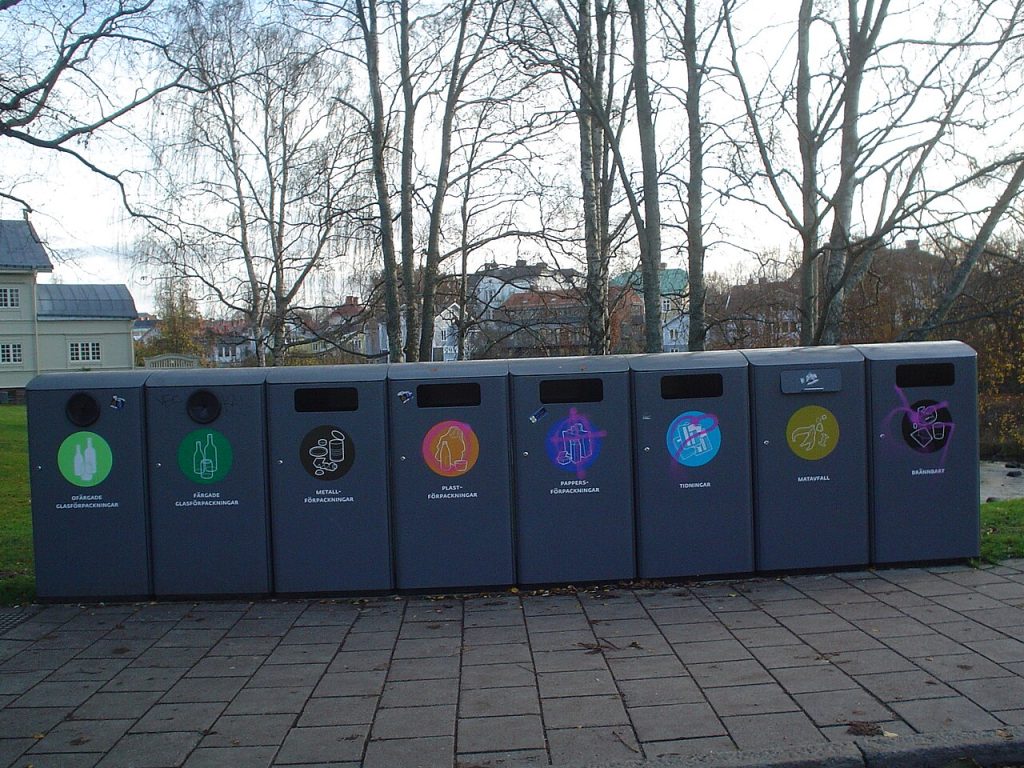
Waste segregation is becoming one of the most important tools for waste management in India.Environmental organisation networks and environmental NGO India initiatives like Earth5R show that segregation can reduce pollution and create local income.
India generates more than 160,000 tonnes of municipal solid waste each day according to the Ministry of Housing and Urban Affairs. Only 25 to 30 percent of this waste is scientifically processed as per Central Pollution Control Board data This gap creates both an environmental challenge and a sustainability opportunity.
Earth5R’s sustainability model integrates CSR,ESG, and community training.Its waste management and river cleaning programs show that segregation can become a direct economic engine for local communities.
This article presents five Earth5R case summaries that demonstrate this impact.
The Problem: Low Segregation Reduces Recycling Value and Livelihoods
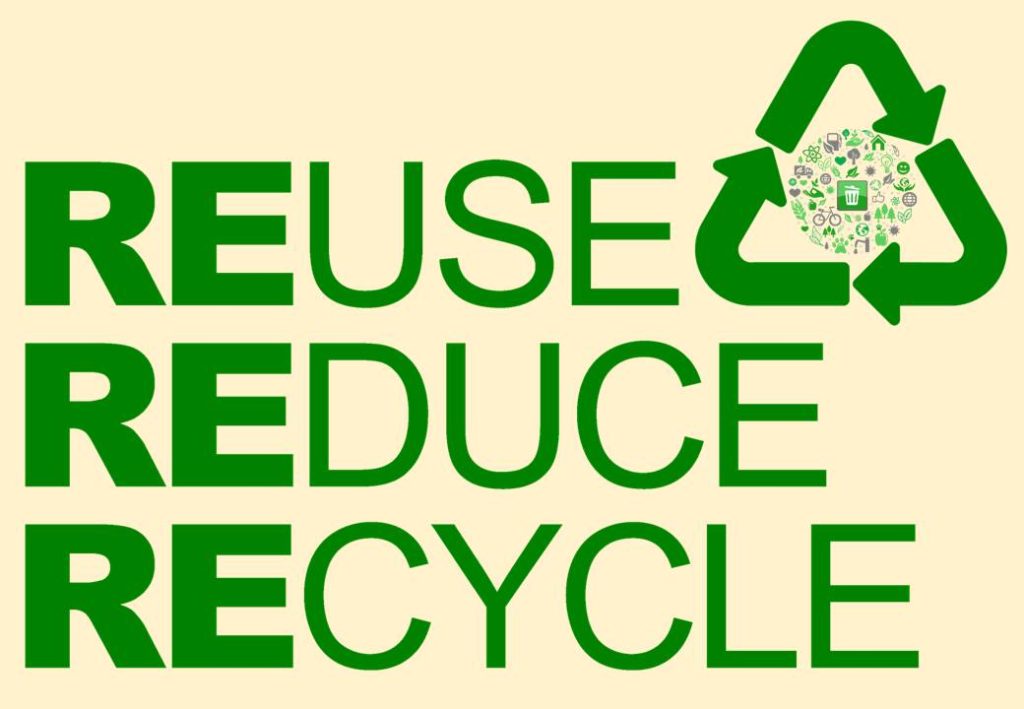
Indian cities struggle with low segregation at source.Mixed waste contaminates recyclables and increases landfill pressure.The World Bank reports that South Asia’s waste generation will grow by 40 percent by 2050
When waste is not segregated, informal workers lose income because the material loses quality. A UN Habitat report shows that segregation at source can increase recycling value by up to 40 percent. This demonstrates how segregation directly affects local economies.
Earth5R addresses these gaps through decentralised systems.Its programs combine citizen participation, behaviour change, and community based micro enterprises.Segregation becomes the starting point of a circular economy
Earth5R’s Community Model: Turning Segregation into Income
Earth5R works across waste management, sustainability, ESG, and river cleaning.
Its programs are built around simple segregation training, community partnerships, and local economic opportunities.
Earth5R trains households on segregation categories and sets up community level micro hubs.Clean recyclables fetch higher prices from local recyclers.Compost from segregated wet waste supports urban gardens and small farmers.
This community model aligns with the principles of circular economy promoted by NITI Aayog. It also supports better ESG reporting for businesses through transparent waste recovery.
5 Examples Where Waste Segregation Became a Local Economic Engine
Mumbai Slum Cluster: Segregation Created Daily Income for 70 Families
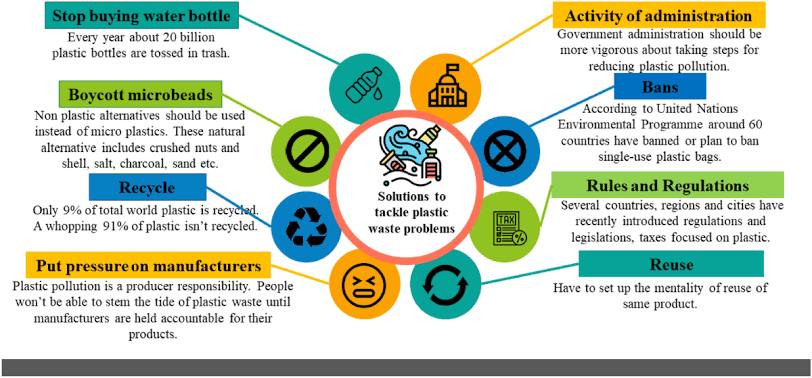
Earth5R worked in a dense slum cluster in Mumbai where mixed waste caused clogged drains and pollution.Only 8 percent of households segregated waste before the program began.This limited recycling and reduced income for informal workers.
Earth5R trained 400 households in dry, wet, and reject waste segregation.The organisation set up a local sorting hub where clean plastic, metal, and cardboard were stored and sold.
More than 70 families earned daily income through sorting and material recovery.
The United Nations Environment Programme confirms that properly segregated plastic has significantly higher market value.Earth5R’s field results matched these global findings.
Pune Riverfront: Segregation Reduced Riverbound Waste by 40 Percent
The Mula Mutha river receives large amounts of mixed waste from upstream communities.
Earth5R designed a river cleaning and waste segregation program across riverside settlements.Segregation was made mandatory in targeted households.
Earth5R installed community level material recovery points for dry waste.In six months, riverbound waste reduced by almost 40 percent in monitored pockets.Wet waste compost supported local farmers and gardeners.
Reports from the National Mission for Clean Ganga highlight that decentralised waste segregation is one of the most effective river protection strategies. Earth5R demonstrated this approach in an urban river ecosystem.
Bengaluru Apartments: Segregation Enabled a Community Compost Business
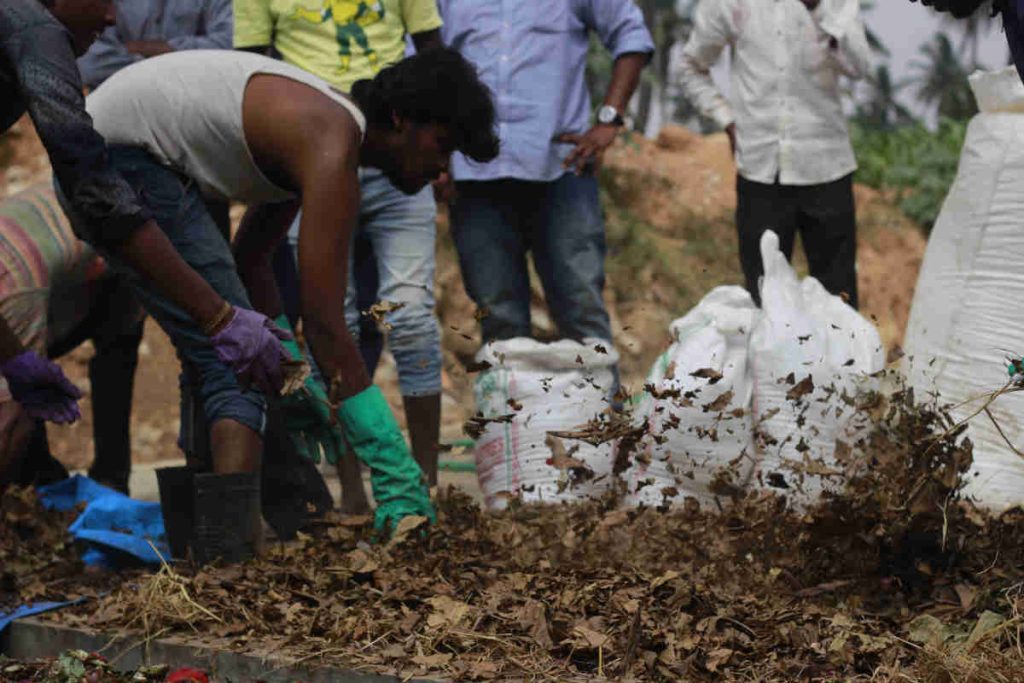
Apartment complexes in Bengaluru produce large quantities of wet waste.Earth5R collaborated with resident welfare associations to create decentralised composting hubs.
Segregated wet waste improved compost quality and lowered transportation costs.
The compost generated was sold to nurseries and terrace gardeners.Revenue supported the maintenance of the composting unit and reduced overall waste management costs.
More than 11 tonnes of compost were produced in the first phase.
FAO research confirms that composting segregated organic waste improves soil fertility and Earth5R’s circular model connected housing waste to urban agriculture.
Chennai Fisher Communities: Marine Waste Segregation Created Youth Employment
Coastal communities near Chennai face severe marine waste accumulation.Earth5R partnered with fisher groups to create segregation points for plastic, nets, foam, and marine litter.Clean materials were collected and prepared for recycling.
Nylon nets and segregated plastics were purchased by local recyclers.Youth groups were trained to operate the sorting hubs.The income supported community activities and improved marine cleanliness.
A global marine plastics study by UNEP shows that coastal segregation significantly reduces ocean pollution Earth5R’s project aligned with these global recommendations.
Uttarakhand Hill Towns: Women Led Segregation Strengthened Livelihoods
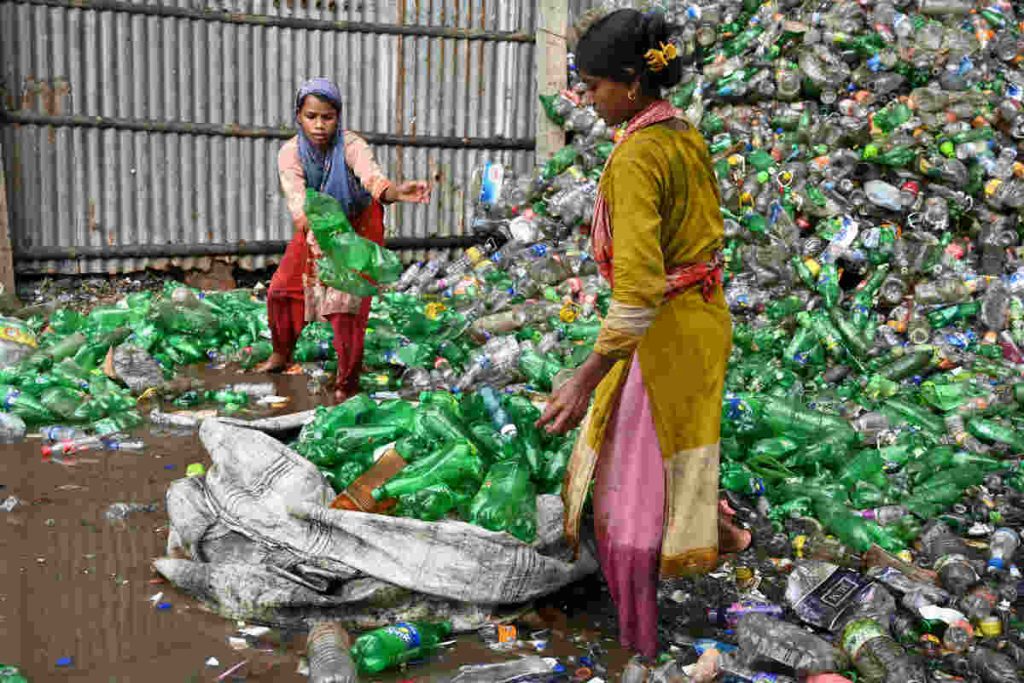
Hill regions face high transportation costs and limited waste infrastructure.Earth5R established a women led segregation and recycling network in small Himalayan towns. Women were trained in sorting, baling, and preparing recyclables for transport.
Segregated waste was collected and sold to recycling firms in the plains.Women earned stable monthly income while reducing waste leakage into forests and rivers.More than 12 tonnes of recyclable waste were recovered in the first year.
The International Labour Organization confirms that women focused recycling systems improve income stability and local resilience. Earth5R’s initiatives demonstrated this in remote geographies.
How Waste Segregation Turns into a Local Economic Engine
Across India, Earth5R’s work shows how segregation increases recycling value.Clean material attracts better prices and reduces landfill dependency.Communities and micro entrepreneurs benefit from predictable income.
Environmental organisation and environmental NGO India networks play a major role in scaling such models.CSR partners help create infrastructure while ESG frameworks support accountability.The result is a stronger, more inclusive circular economy.
Key impact drivers include:
Community based segregation training
Local material recovery hubs
Transparent recycler partnerships
Women and youth led micro enterprises
Composting and circular organic waste loops
River cleaning and coastal waste recovery systems
Actionable Insights for Cities, CSR Teams, and ESG Leadership

- Integrate segregation into all municipal waste programs.
- Use CSR funding to support decentralised recycling hubs.
- Build long term recycler partnerships for fair pricing.
- Track waste flows digitally for ESG reporting.
- Install segregation systems in river and coastal areas.
- Train women and youth in material handling.
- Use Earth5R’s community engagement model to scale waste management efforts
FAQs: 5 Examples Where Waste Segregation Became a Local Economic Engine: Earth5R Case Summary
What is waste segregation and why is it important for India?
Waste segregation means separating wet, dry, and reject waste at source.It improves recycling quality and reduces landfill pressure in Indian cities.
How does waste segregation help local communities earn income?
Clean segregated material sells at a higher value.Communities can earn from plastic, paper, metal, and compost.
Why do many Indian cities still struggle with segregation?
Most households do not receive proper training.Mixed waste collection systems also limit segregation.
How does Earth5R support waste segregation programs?
Earth5R trains citizens, sets up material recovery hubs, and connects recyclers with communities.This makes segregation simple and rewarding.
What economic benefits were seen in Earth5R’s Mumbai case study?
More than 70 families earned daily income from sorted waste.Recyclers paid higher rates for clean material.
How does segregation reduce river pollution?
Segregation prevents plastics and debris from entering stormwater drains.This keeps waste away from rivers.
What results were achieved in the Pune riverfront Earth5R project?
Riverbound waste dropped by nearly 40 percent in targeted areas.Segregation played a central role.
How does waste segregation help apartment communities in cities like Bengaluru?
Clean wet waste improves compost quality.Composting becomes easier and more profitable.
Why is composting important for urban sustainability?
Compost improves soil health and reduces chemical fertiliser use.It supports gardens and urban farms.
How did Earth5R support youth employment in Chennai’s fisher communities?
Youth were trained to run marine waste segregation centres.They earned income by selling segregated nets and plastics.
Why are women led segregation models effective in hill regions like Uttarakhand?
Women manage sorting, baling, and recycling tasks with consistency.Their work increases family income and reduces environmental leakage.
How does segregation improve ESG reporting for companies?
Segregated waste can be tracked easily through digital tools.This supports accurate environmental social governance reporting.
How does segregation reduce landfill use?
Clean dry waste goes to recyclers.Wet waste becomes compost.Reject waste volume becomes much smaller.
How can CSR teams support segregation projects?
CSR funds can create recovery hubs, buy equipment, and support community training.This improves long term project impact.
Is waste segregation costly for households?
No special equipment is needed.Households only need simple containers and basic training.
What materials gain the most value from segregation?
Plastic, metal, cardboard, and paper gain higher resale value when kept clean.Wet waste becomes a resource through composting.
How can municipalities scale segregation programs?
Cities can train residents, support decentralised systems, and partner with environmental organisations like Earth5R.This strengthens waste systems across wards.
Does segregation help reduce marine pollution?
Clean coastal segregation systems keep plastic and fishing waste out of the sea.This protects marine ecosystems.
How does segregation support India’s circular economy goals?
Segregation keeps materials usable for longer.Recycling and composting become efficient and profitable.
How can households start segregation easily?
Use three simple categories: wet waste, dry waste, and reject waste.Keep recyclables clean and dry every day.
Partner with Earth5R to Build Community Based Waste Segregation Systems
Cities, corporations, and CSR teams have a unique opportunity to turn waste segregation into a powerful local economic engine.Earth5R’s community training model, decentralised recovery hubs, and sustainability frameworks help convert segregated waste into income, improved recycling, and measurable ESG impact.
Organisations looking to strengthen waste management, river cleaning, circular economy programs, or livelihood initiatives can collaborate with Earth5R for scalable, community driven solutions.
To explore partnerships and build long term sustainability projects, visit Earth5r website or reach out to Earth5R’s collaboration team.
Authored by- Sneha Reji