
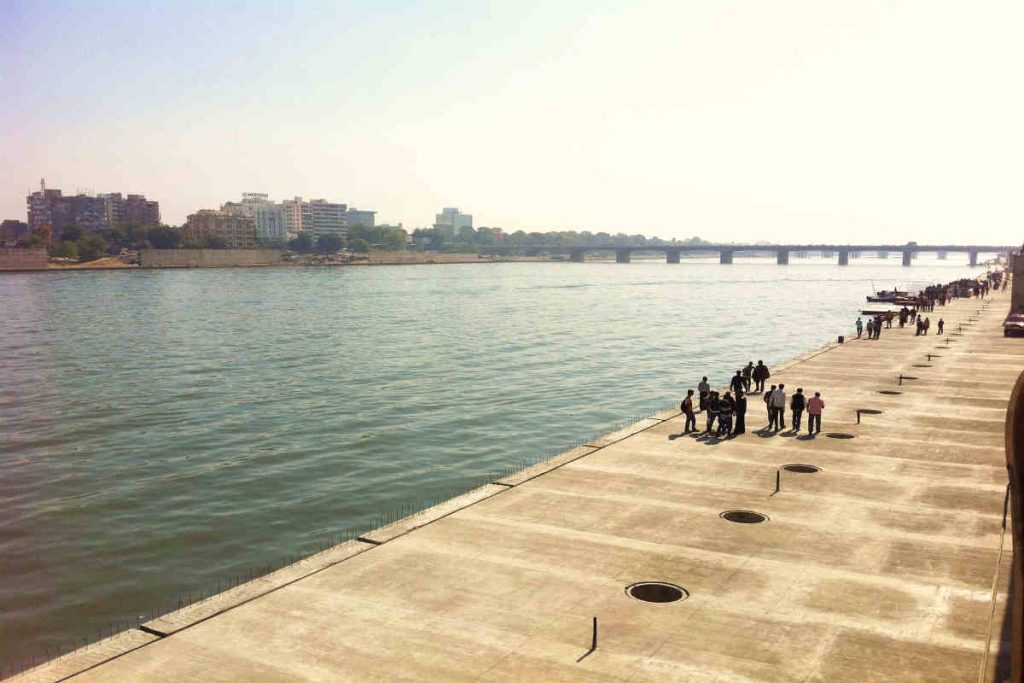
River cleaning and riverfront development have become essential for every environmental organisation and Environmental NGO in India, as rivers face extreme pollution and declining ecosystem health.
Corporate social responsibility and ESG commitments increasingly prioritise sustainability, waste management, and community-driven restoration programs that generate measurable impact.Earth5R has implemented large-scale river cleaning and citizen training programs across multiple Indian cities, creating high-impact models that CSR teams can replicate.
India’s rivers carry more than 40 million tonnes of waste annually according to government assessments.Urban drains contribute nearly 70 percent of pollution entering major rivers. Riverfront sustainability projects offer CSR departments a long-term, high-visibility, high-impact model aligned with national priorities like Swachh Bharat and Smart Cities.
Why Riverfront Projects Matter for CSR in India
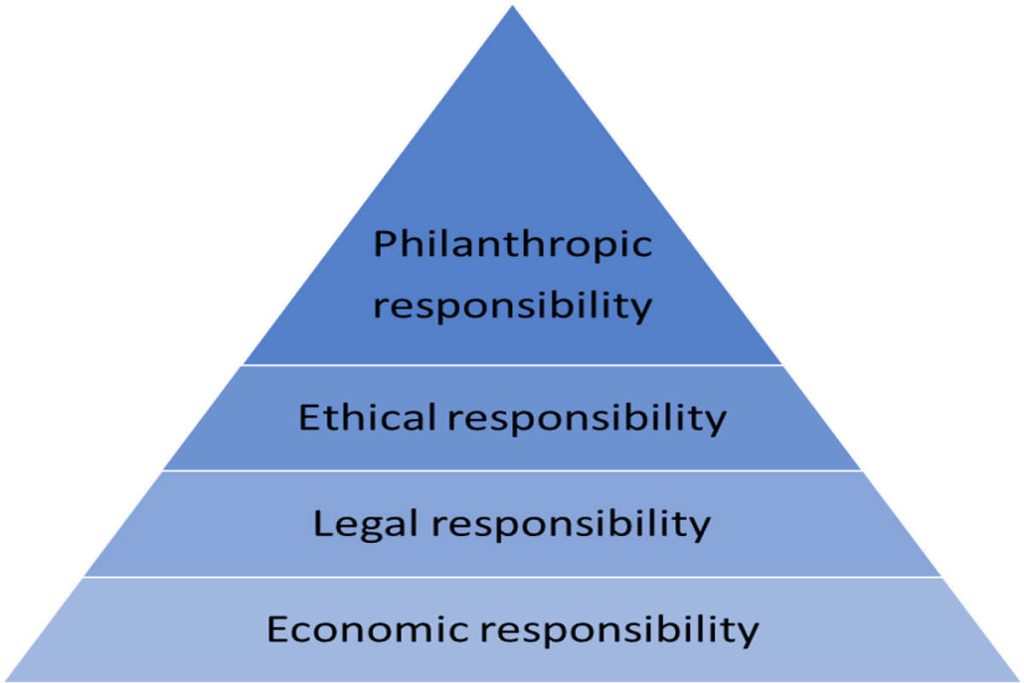
Riverfront ecosystems support drinking water, biodiversity, climate resilience, and urban livelihoods.Yet most rivers flowing through cities face deterioration from solid waste, untreated sewage, industrial discharge, and construction debris.
CSR initiatives can play a critical role by funding structured solutions led by sustainability organisations and Environmental NGOs like Earth5R.
Problem Statement: India’s Rivers Are at a Breaking Point
More than 80 percent of India’s surface water is polluted according to CPCB assessments.
Over 300 river stretches have deteriorated water quality, with 45 stretches classified as critically polluted.Rivers in major cities like Mumbai, Delhi, Chennai, Pune, Kanpur, and Hyderabad show high levels of biochemical oxygen demand and low oxygen availability.
India generates more than 62 million tonnes of municipal solid waste annually, and around 6 million tonnes enter water bodies each year due to poor waste management.Plastic waste accounts for nearly 40 percent of floating debris collected during urban river cleaning drives conducted by sustainability organisations.
Drain outlets release thousands of tonnes of waste every month into rivers because most municipalities lack interception infrastructure.Earth5R has identified that 60 percent of river pollution in Indian cities originates from unmanaged drains.
This creates an opportunity for structured CSR-led interventions that combine waste management, river cleaning, citizen engagement, and digital monitoring.Riverfront projects funded under CSR can reduce local pollution, improve water quality, and strengthen ESG outcomes for companies.
India’s River Pollution Crisis: Data and Trends
India is among the top 10 countries contributing to global riverine plastic leakage according to UNEP.The UNEP Frontiers Report highlights that South Asian rivers carry high loads of municipal and industrial waste, impacting ecosystem health and community safety.
The World Bank reports that poor waste management systems account for more than 50 percent of water pollution in low and middle income countries.India’s situation is similar, with inadequate segregation, poor collection coverage, and weak enforcement leading to large-scale contamination.
Central Pollution Control Board data shows that more than 300 Indian river stretches have deteriorated water quality due to high BOD levels.This affects fisheries, drinking supply, agriculture, and public health across multiple states.
NITI Aayog estimates that nearly 70 percent of wastewater generated in India remains untreated.This untreated discharge directly enters rivers, lakes, drains, and coastal ecosystems.
Plastic waste leakage into rivers is rising due to urbanisation and poor collection networks.
A study published in Science Advances identified the Ganga basin as one of the major contributors to ocean plastic.
These datasets align with the challenges Environmental NGOs and environmental organisations in India face when designing river cleaning and waste management projects.
9 Reasons Why Every CSR Department Should Invest in Riverfront Projects
Reason 1: Riverfront Projects Deliver High Measurable CSR and ESG Impact
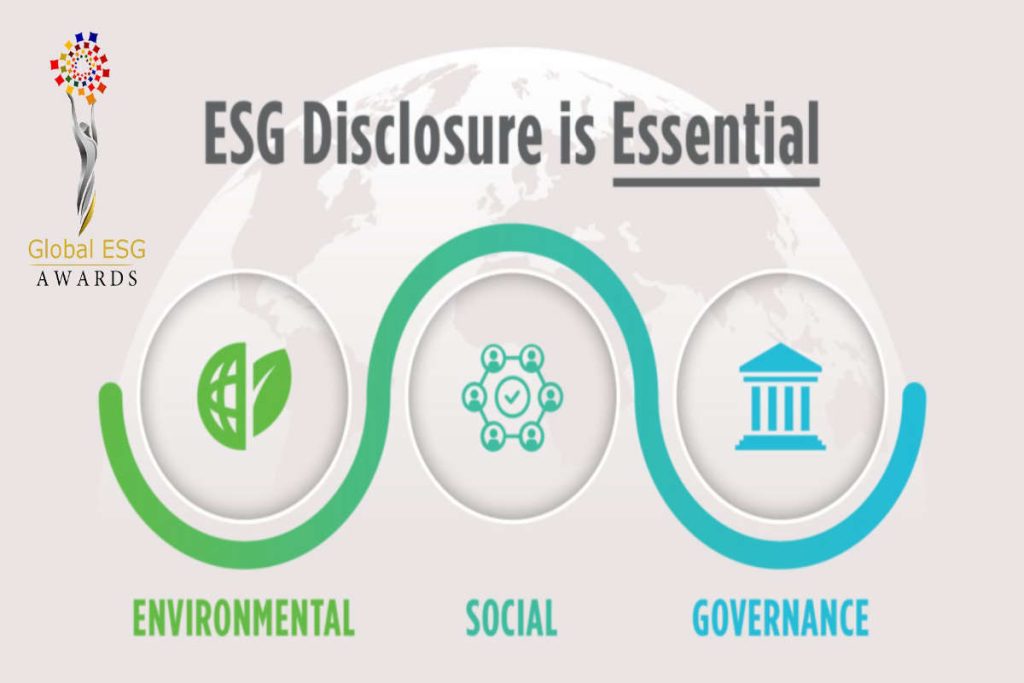
CSR teams increasingly look for impact visibility, quantifiable outcomes, and long-term sustainability.Riverfront projects allow companies to generate measurable reductions in waste leakage, improved water quality indicators, and community behavioural change.
This aligns strongly with ESG frameworks that require transparent reporting and external verification.Earth5R’s river cleaning programs in Mumbai, Pune, and Chennai generated measurable waste removal metrics, community participation numbers, and citizen training outputs.
More than 55,000 kilograms of floating waste were intercepted across selected pilot sites managed by Earth5R.CSR partners received monthly progress reports, photographic evidence, and third-party-verifiable indicators.
ESG teams benefit from riverfront initiatives because these projects convert CSR funds into visible environmental restoration outcomes.This improves ESG disclosures under energy and environment categories and supports sustainability reporting.
River cleaning, waste management, and community engagement data are ideal for annual sustainability statements.
Reason 2: Riverfront Projects Strengthen Public Health and Community Wellbeing

The public health impact of polluted rivers is severe, with waterborne diseases affecting millions in India every year.
According to the Ministry of Health, nearly 37 million people are affected by water-related diseases annually.CSR-supported river cleaning and waste management projects reduce mosquito breeding, contaminated water contact, and exposure to hazardous pollutants.
Cleaner riverbanks lead to safer public spaces, recreational zones, and healthier neighbourhoods.These outcomes directly support corporate social responsibility objectives around community wellbeing.
Environmental organisations like Earth5R have shown that even small-scale riverfront cleanups can significantly reduce local pollution levels.In Thane and Navi Mumbai, Earth5R’s community teams documented a 30 percent reduction in plastic waste leakage during a 6 month intervention phase.
CSR partners received weekly data dashboards tracking health and environmental improvements.Citizen involvement is a key driver of sustainable behaviour change.
Earth5R mobilised more than 1.2 million people across India through its community programs.CSR-funded riverfront work integrates this mobilisation to strengthen local ownership.
Reason 3: CSR Riverfront Projects Support India’s National Missions and Government Priorities
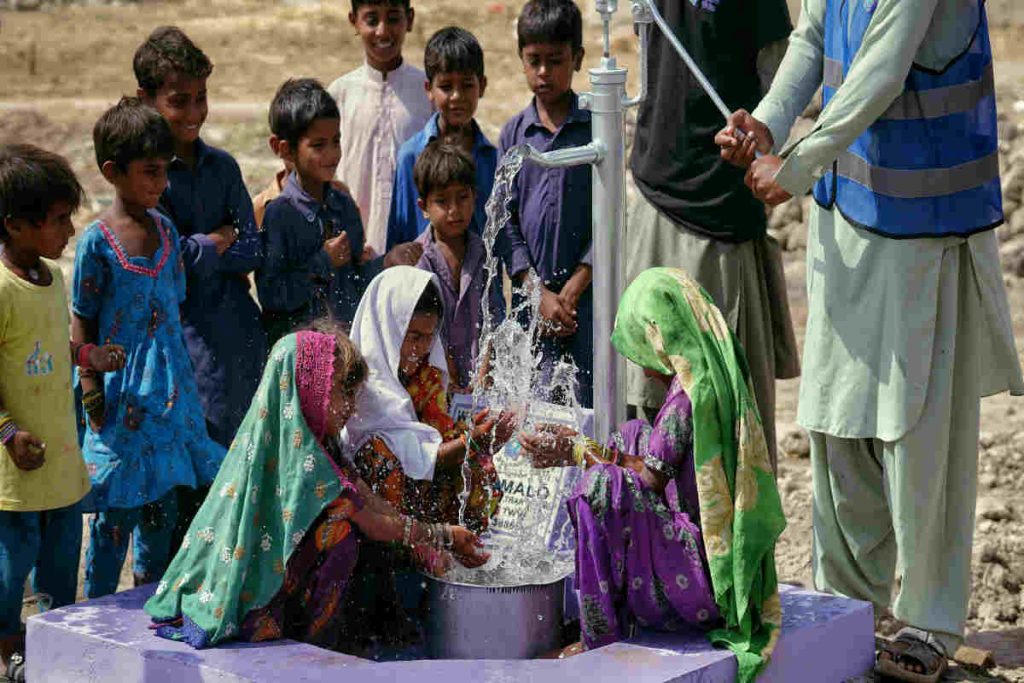
River cleaning aligns with multiple national missions including Swachh Bharat, Smart Cities, AMRUT, Namami Gange, and Jal Jeevan Mission.CSR activities that support these missions gain easier administrative cooperation and higher visibility from municipal authorities.Companies can align their CSR and ESG strategies with government priorities to create long-term impact.
The Ministry of Jal Shakti highlights that river pollution is a national priority area requiring public-private effort.Namami Gange has already mobilised more than USD 4.5 billion towards river restoration.
CSR departments that invest in riverfront sustainability projects create synergy with ongoing government programs.This increases the likelihood of permissions, site access, and municipal collaboration.Environmental NGOs like Earth5R already work with city governments in more than 500 cities, making coordination easier for CSR teams.
Earth5R’s partnerships with UN, UNESCO, and city administrations strengthen project credibility.CSR teams benefit because these partnerships accelerate approvals and ensure that each riverfront project follows scientific, community-first guidelines.This allows companies to align their sustainability and ESG goals with national development indicators.
Reason 4: CSR Riverfront Projects Boost Urban Climate Resilience
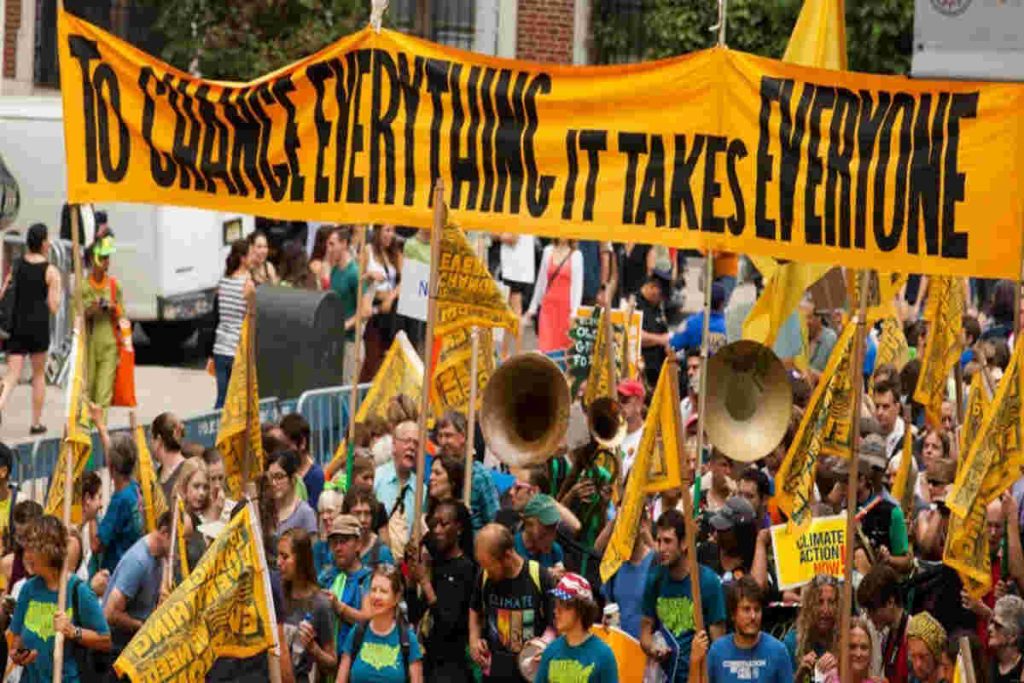
Riverfront ecosystems support flood control, groundwater recharge, and heat regulation, which are essential for climate resilience.The IPCC highlights that climate-vulnerable countries like India must restore natural ecosystems to reduce disaster risks.
CSR interventions along rivers reduce erosion, improve vegetation cover, and create buffer zones that protect nearby communities.These actions directly support corporate ESG goals on climate adaptation and nature-positive pathways.River cleaning and waste management strengthen river flow, improve drainage capacity, and reduce flood vulnerability.
Earth5R’s river cleaning work in Pune, especially around the Mula-Mutha basin, demonstrated significant improvement in local drainage performance during monsoon periods.Community volunteers and citizen scientists recorded noticeable reductions in floating debris blockages.CSR partners received pre-monsoon and post-monsoon data comparing waste accumulation trends.
Restored riverfronts help cities mitigate extreme weather impacts.For CSR departments, this translates into long-term climate outcomes that can be reported under TCFD-aligned ESG disclosures.This strengthens a company’s climate resilience narrative and compliance readiness.
Reason 5: Riverfront Projects Create Strong Community Engagement and Behaviour Change
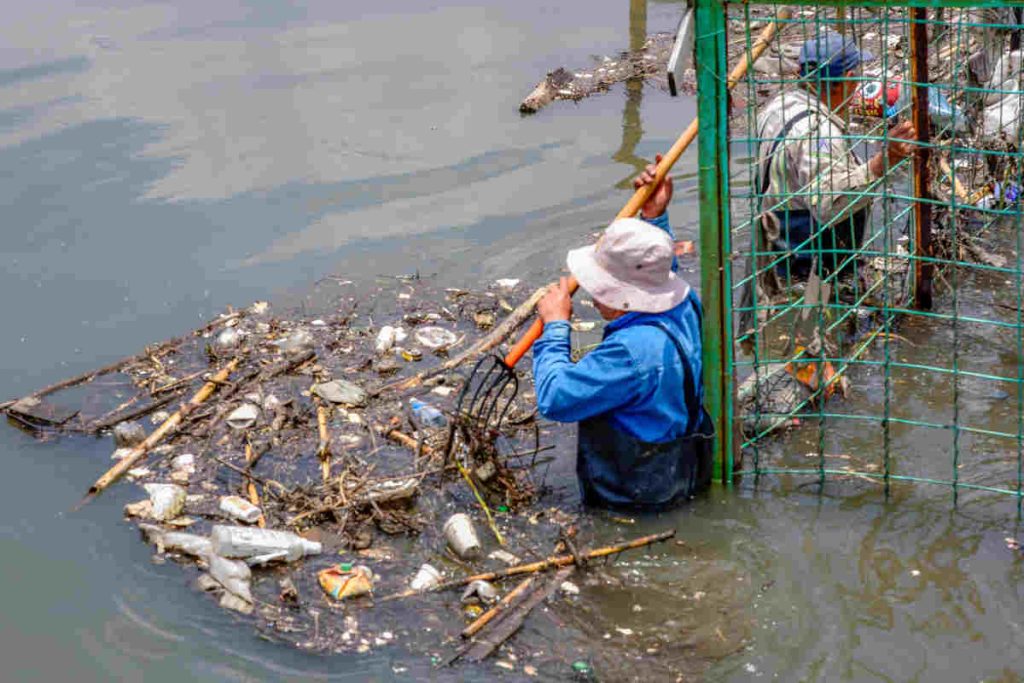
CSR projects are most impactful when they mobilise citizens and build sustained awareness. Riverfront cleanups, recycling sessions, and waste management workshops naturally bring communities together. These initiatives transform local behaviour and reduce future pollution.
Earth5R has mobilised more than 1.2 million citizens across India through community action programs.River cleaning specifically engages school groups, local housing societies, fishermen communities, and youth volunteers.CSR-supported projects create long-term ownership because citizens begin monitoring river stretches themselves.
Community involvement improves segregation, increases recycling rates, and reduces waste leakage.This directly supports CSR teams looking for social and environmental impact combined.UNESCO’s community participation models reinforce that long-term sustainability depends on citizen-led stewardship.
Earth5R’s Mumbai riverfront project created a network of more than 500 local volunteers monitoring waste accumulation every week.CSR partners received detailed community engagement dashboards.This strengthens a company’s ESG social metrics.
Reason 6: CSR Riverfront Projects Offer High Visibility and Brand Credibility
Companies are increasingly scrutinised for the authenticity of their sustainability claims.
Riverfront projects provide CSR departments with public visibility, transparent results, and strong on-ground proof of environmental restoration.This improves brand trust and community relations.
River cleaning activities generate measurable before-and-after results that can be showcased in annual CSR and ESG reports.Earth5R regularly shares case studies, impact images, and verified datasets with partners for documentation.Companies gain credible stories rooted in real environmental change.
According to Edelman’s Trust Barometer, more than 70 percent of consumers prefer brands that show tangible environmental action.CSR teams benefit because riverfront projects become powerful platforms for environmental communication.
Clean riverbanks also create safe public spaces that reinforce a company’s community image.Environmental organisations like Earth5R help document every aspect of project execution for transparent reporting.
Reason 7: Riverfront Projects Enable Scalable Waste Management Solutions
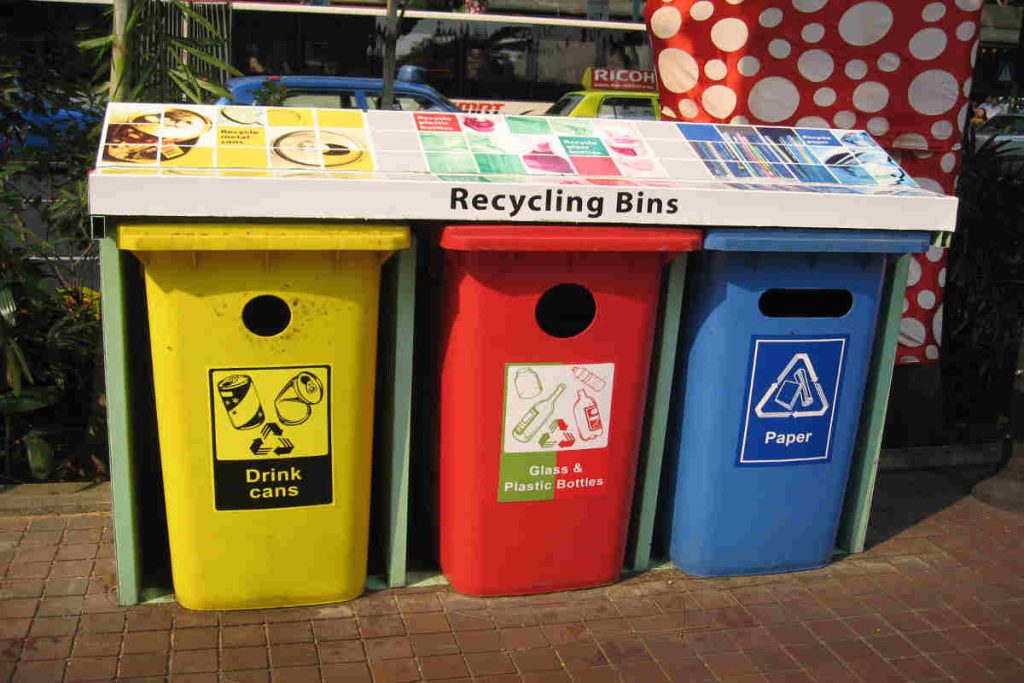
Rivers are the endpoint for 60 percent of unmanaged waste in Indian cities according to CPCB assessments.CSR investments in riverfront work allow companies to build waste interception, sorting, and recycling systems that reduce leakage at the source.These projects support circular economy goals and material recovery systems.
Earth5R’s Zero Waste Stations in multiple cities demonstrate how decentralised waste management reduces river pollution.CSR-supported stations sort waste into recyclables, organics, and non-recyclables with community participation.This creates scalable models that municipalities can replicate.
The World Economic Forum highlights that improving urban waste systems can reduce ocean plastic leakage by 80 percent.Riverfront projects help CSR departments integrate climate, waste management, and community action into one unified strategy.This increases long-term impact per rupee spent.Projects become anchor models for city-wide waste management improvements.
Reason 8: CSR Riverfront Projects Strengthen Biodiversity and Local Ecosystems
Polluted rivers damage aquatic life, destroy wetland habitats, and disrupt food chains.CSR-led restoration projects improve oxygen levels, reduce toxic contaminants, and create healthier habitats.This supports India’s commitments under the Global Biodiversity Framework.
WWF India reports that river ecosystems in the Ganga, Yamuna, and Krishna basins have lost significant biodiversity due to pollution and habitat fragmentation.CSR riverfront programs can restore riparian vegetation, improve habitat quality, and support fish regeneration.
Environmental NGOs like Earth5R incorporate nature-based solutions such as plantation, slope stabilisation, and community monitoring.These actions create long-term ecological benefits.Earth5R’s riverbank plantation drives along the Dahisar and Poisar rivers demonstrated improved soil stability and reduced erosion within months.CSR partners received seasonal monitoring data.This data strengthens biodiversity reporting in corporate ESG disclosures.
Reason 9: CSR Riverfront Projects Offer Long-Term Sustainability Returns
Riverfront projects continue delivering environmental and social returns for years after implementation.These projects reduce pollution, improve water quality, strengthen climate resilience, and enhance public spaces.This creates high-return outcomes for CSR teams.
CSR investments in riverfront regeneration support sustainable livelihoods for local communities.They improve tourism potential, increase property values, and create safer public spaces.These benefits align with national development priorities and SDG goals.
Earth5R’s multi-year river projects in Mumbai demonstrated continued improvement in waste reduction even after active intervention phases.This shows that CSR-funded riverfront systems can create lasting change when supported by community involvement.Companies gain multi-year ESG impact from a single CSR investment.
Earth5R’s Proven River Cleaning and Waste Management Models
Earth5R has developed structured river cleaning models through work across more than 500 Indian cities.These models integrate waste interception, citizen participation, community training, and municipal partnerships.CSR departments gain ready-to-implement frameworks that reduce execution risk.
Model 1: Waste Interception at Drains
More than 60 percent of river pollution in cities originates from open drains.Earth5R’s interception model identifies high-leakage points, installs low-maintenance barriers, and monitors waste flow through data tracking.CSR partners receive weekly waste capture reports.
These systems operate without electricity, operate continuously, and require minimal manual intervention.Floating waste is diverted to shore for sorting and recycling.This model reduces leakage before waste reaches the river.
Model 2: Citizen-Led River Cleaning Drives
Earth5R has mobilised over 1.2 million volunteers through cleanups, education sessions, and environmental training.CSR-supported cleanups combine waste removal with awareness building and local stewardship.Volunteer dashboards track participation, types of waste collected, and behavioural changes recorded.
This model builds local ownership and supports long-term sustainability.It also strengthens a company’s social metrics within ESG disclosures.CSR teams receive photo documentation, before-after comparisons, and community feedback surveys.
Model 3: Zero Waste Stations for Riverbank Communities
Unsegregated waste from communities near riverbanks contributes significantly to pollution.Earth5R’s Zero Waste Stations sort waste into recyclables, organics, and non-recyclables, reducing leakage at source.CSR-funded stations create long-lasting impact by supporting circular waste systems.
These stations are operated with community participation and supported by training programs.Monthly impact reports track segregation rates, recycling outputs, and landfill reduction.CSR teams use these metrics for sustainability reporting.
Model 4: Digital Monitoring and Environmental Data Tracking
Earth5R integrates water quality sensors, photographic evidence, and waste volume documentation.This ensures transparency and provides CSR teams with verifiable data for sustainability reporting.Digital dashboards track BOD, COD, pH, turbidity, and waste quantities removed.
Scientific monitoring strengthens credibility and supports ESG compliance.CSR partners can present accurate environmental improvement data during annual reporting cycles.This improves governance indicators under environmental social governance frameworks.
CSR Implementation Framework for Riverfront Projects
CSR teams can adopt a structured approach built around Earth5R’s field-tested model.
Step 1: Site Identification and Baseline Assessment
Earth5R maps river stretches, identifies high-leakage drains, and conducts baseline waste and water quality assessments.This data helps CSR teams prioritise the most impactful intervention points.Baseline studies also support measurable before-after comparisons for reporting.
Step 2: Community and Stakeholder Mobilisation
Local communities, municipal bodies, schools, and informal workers are mobilised at early stages.Earth5R ensures cooperation between all stakeholders to avoid delays and improve project acceptance.CSR teams gain smoother execution and stronger community participation.
Step 3: On-Ground Execution and Monitoring
River cleaning systems, waste interception barriers, and community-driven programs are deployed.Earth5R manages daily operations, cleanup drives, segregation activities, and training workshops.Performance metrics are updated regularly for CSR reporting.
Step 4: Data Reporting, Verification, and ESG Documentation
CSR partners receive monthly dashboards, photographic evidence, volunteer logs, and scientific metrics.Earth5R ensures all data is verifiable and aligned with environmental social governance reporting frameworks.Companies gain credible evidence of environmental restoration for internal and external audits.
Step 5: Long-Term Sustainability and Handover
After operations stabilise, Earth5R transitions day-to-day activities to community groups and municipal teams.CSR-supported infrastructure continues functioning long after funding cycles end.This creates multi-year environmental and social returns for CSR teams.
Why CSR Departments Must Prioritise Riverfront Projects
River cleaning and riverfront sustainability are no longer optional for CSR teams in India.
These projects address environmental degradation, public health, climate resilience, and social wellbeing.They deliver measurable ESG outcomes that strengthen long-term corporate sustainability commitments.
Earth5R’s on-ground experience across 500 cities, large volunteer base, and verified data systems make it a strong execution partner for CSR departments.Companies that invest in riverfront work create visible ecological improvements, safer communities, and sustainable urban ecosystems.CSR funding becomes a catalyst for national transformation when channelled into structured, scientifically driven projects.
FAQs: 9 Reasons Why Every CSR Department Should Invest in Riverfront Projects: Earth5R CSR Guide
What is the role of CSR in river cleaning projects in India
CSR supports sustainability, river cleaning, and waste management by funding community-based restoration led by environmental organisations and Environmental NGOs in India.These projects create measurable environmental and social impact aligned with ESG priorities.They also complement national missions like Swachh Bharat, AMRUT, and Namami Gange.
Why should companies prioritise riverfront projects in their CSR portfolio
Riverfront projects reduce pollution, improve water quality, and support community wellbeing.CSR teams gain visible outcomes, brand credibility, and strong ESG metrics.
River cleaning aligns directly with corporate social responsibility and long-term sustainability goals.
How do riverfront projects help with waste management
Many Indian rivers receive waste from unmanaged drains and poorly segregated solid waste.Riverfront projects intercept floating waste, improve segregation, and support recycling.This reduces pollution leakage and strengthens community behaviour change.
What data is used to monitor river cleaning projects
Environmental organisations use water quality indicators like BOD, COD, pH, and turbidity.
They also monitor waste quantities removed, volunteer participation, and segregation rates.
Earth5R provides verified data dashboards for CSR and ESG reporting.
Can riverfront projects improve community health
Polluted rivers contribute to mosquito breeding, toxic exposure, and waterborne diseases.
CSR-supported river cleaning reduces risk factors and improves local sanitation.Cleaner waterways lead to safer neighbourhoods and healthier public spaces.
How does Earth5R execute CSR riverfront projects
Earth5R identifies high-impact locations, mobilises communities, and sets up waste interception systems.Teams conduct cleanups, training sessions, and data-driven monitoring activities.CSR partners receive regular updates and ESG-aligned reporting.
Are riverfront projects scalable across cities
Riverfront projects follow a modular structure that can be replicated across towns and metropolitan regions.Earth5R’s models are deployed across more than 500 Indian cities.CSR funding enables scale, continuity, and long-term outcomes.
What are the long-term benefits for companies investing in river cleaning
Companies gain measurable ESG impact, long-term brand credibility, and stronger stakeholder trust.Riverfront projects become proof of authentic environmental responsibility.These outcomes support annual sustainability disclosures.
Do riverfront CSR projects support biodiversity
Cleaner rivers and restored riverbanks help aquatic species and local ecosystems recover.CSR projects integrate plantation, slope stabilisation, and habitat restoration.These outcomes support India’s biodiversity goals.
How do riverfront projects align with ESG frameworks
They generate verifiable environmental and social metrics.These metrics strengthen governance and transparency within ESG disclosures.Earth5R provides third-party-verifiable impact documentation.
What communities benefit the most from riverfront projects
Communities living near riverbanks, informal workers, schools, and urban neighbourhoods gain direct benefits.Cleaner ecosystems improve safety, reduce odour, and enhance quality of life.CSR-driven sustainability projects promote long-term resilience.
Can CSR projects address plastic pollution in rivers
River cleaning directly removes floating plastic waste and prevents leakage through drain interception.Earth5R’s Zero Waste Stations increase recycling rates and reduce landfill burden.CSR teams gain visible outcomes for circular economy objectives.
How do citizen volunteers participate in river cleaning
Volunteers join cleanups, awareness drives, and recycling activities. Earth5R trains local residents, youth, and schools on environmental stewardship.This builds sustainable behaviour change within communities.
Are riverfront CSR projects cost effective
River cleaning interventions offer high impact per rupee because they reduce long-term pollution.Waste interception systems require low operational costs and minimal energy use.CSR funding generates sustained returns over multiple years.
What permissions are required for riverfront CSR projects
Permissions depend on municipal jurisdictions and project scale.Earth5R coordinates with city governments and local bodies to streamline approvals.This accelerates on-ground implementation for CSR teams.
How long do CSR riverfront projects typically run
Projects usually span 12 to 36 months depending on scope and stretch length.Longer durations allow consistent data collection and behaviour change.Earth5R tailors timelines based on CSR budgets and objectives.
Do companies get ESG reporting support from Earth5R
Yes, Earth5R provides data dashboards, photographic documentation, and water quality reports.CSR teams use this data to complete ESG audits and sustainability disclosures.
Verified metrics improve transparency and governance.
Can riverfront projects support climate resilience
Restored riverbanks reduce erosion, improve drainage, and strengthen flood resistance. Riverfront vegetation supports groundwater recharge and climate adaptation. CSR-driven actions reinforce natural climate buffers.
How does waste interception work at drains
Simple low-maintenance barriers capture floating waste before it enters the river. Earth5R teams collect, sort, and recycle the intercepted materials. CSR funding helps scale these systems across cities.
Can CSR riverfront projects continue after funding ends
Yes, Earth5R builds local capacity and hands over systems to community groups and municipalities.This ensures the project continues to function sustainably. CSR teams gain long-term impact without recurring cost.
Partner with Earth5R for High-Impact Riverfront CSR Projects
India’s rivers need structured, science-backed, community-driven restoration, and CSR departments can play a decisive role in transforming these ecosystems.If your organisation is looking to create measurable sustainability outcomes, strengthen ESG reporting, and support large-scale environmental change, Earth5R can help design and execute end-to-end riverfront projects across Indian cities.
Connect with Earth5R to begin assessments, plan interventions, deploy waste interception systems, and build long-term community-led stewardship models that deliver real on-ground impact. Reach out to Earth5R to initiate a river cleaning or waste management project and contribute to building cleaner, safer, and climate-resilient riverfronts for India’s future.
Authored by- Sneha Reji