
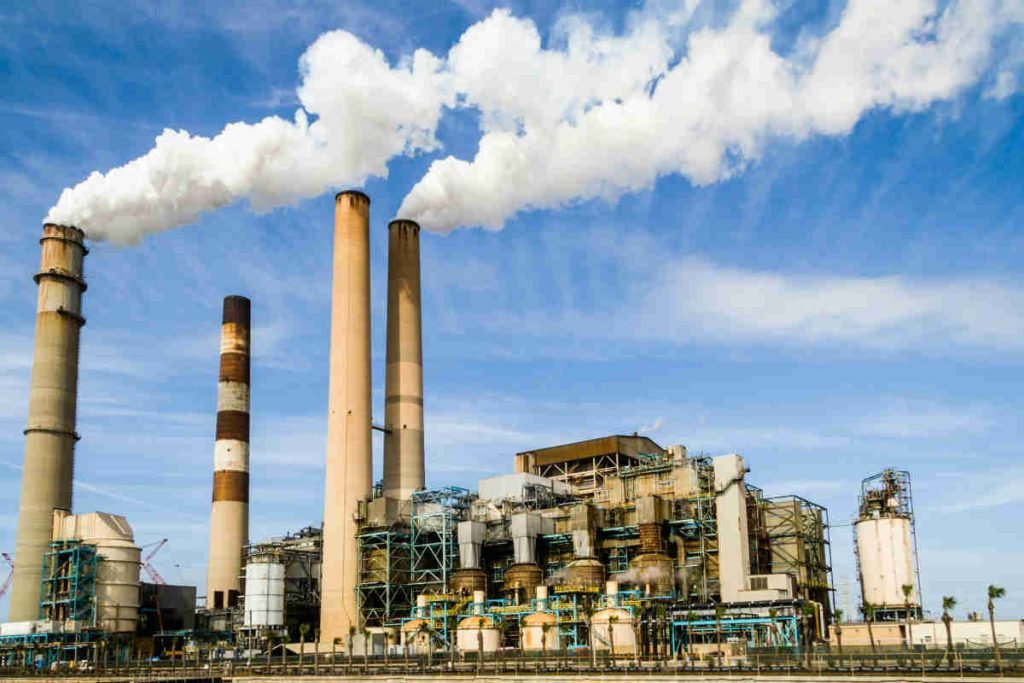
Why Urban Air Pollution Is One of the Costliest City Failures
Urban air pollution is no longer a hidden externality It is a direct economic drain on cities, households, and national health systems.
The World Health Organization estimates that ambient air pollution causes around 7 million premature deaths each year, making it one of the leading environmental causes of mortality globally.
Urban residents are disproportionately affected because emissions from transport, construction, industry, and waste are concentrated in dense areas.Children, the elderly, and low-income communities bear the highest exposure.
TheWorld Bank reports that the global economic cost of air pollution is equivalent to nearly 5 percent of global GDP, driven by healthcare costs, lost labour productivity, and premature mortality. This means air pollution is not just a health issue.It is a macroeconomic issue.
Earth5R highlights that cities cannot regulate or educate their way out of this crisis alone.
Innovation is essential.But innovation must be practical, measurable, and locally deployable.
This Earth5R Tech Review examines seven urban air quality innovations that have strong evidence behind them and the potential to save millions in healthcare expenditure, productivity loss, and environmental damage.
Why Innovation Matters More Than Ever
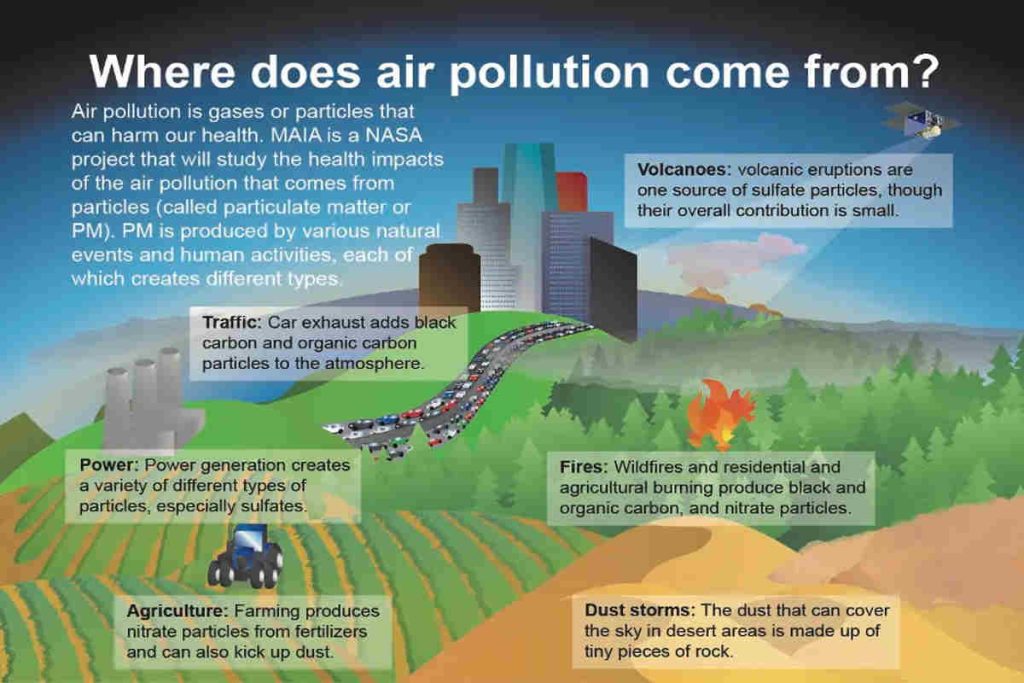
Traditional air pollution control relies heavily on regulations and periodic monitoring. While important, these approaches are often slow and reactive.
Air pollution changes hourly.Exposure happens street by street.Health impacts accumulate silently.
The World Health Organization notes that even low levels of particulate matter can cause significant health damage, especially with long-term exposure.
This makes real-time, preventive approaches essential. Technology allows cities to detect pollution earlier, target interventions precisely, and reduce exposure before health systems are overwhelmed.
Innovation 1: Hyperlocal Real-Time Air Quality Sensor Networks
Most cities rely on a limited number of government air quality monitoring stations. These stations provide city-wide averages but miss neighbourhood-level variation. Research shows that air pollution can vary dramatically within the same city depending on traffic density, building design, and local activities.
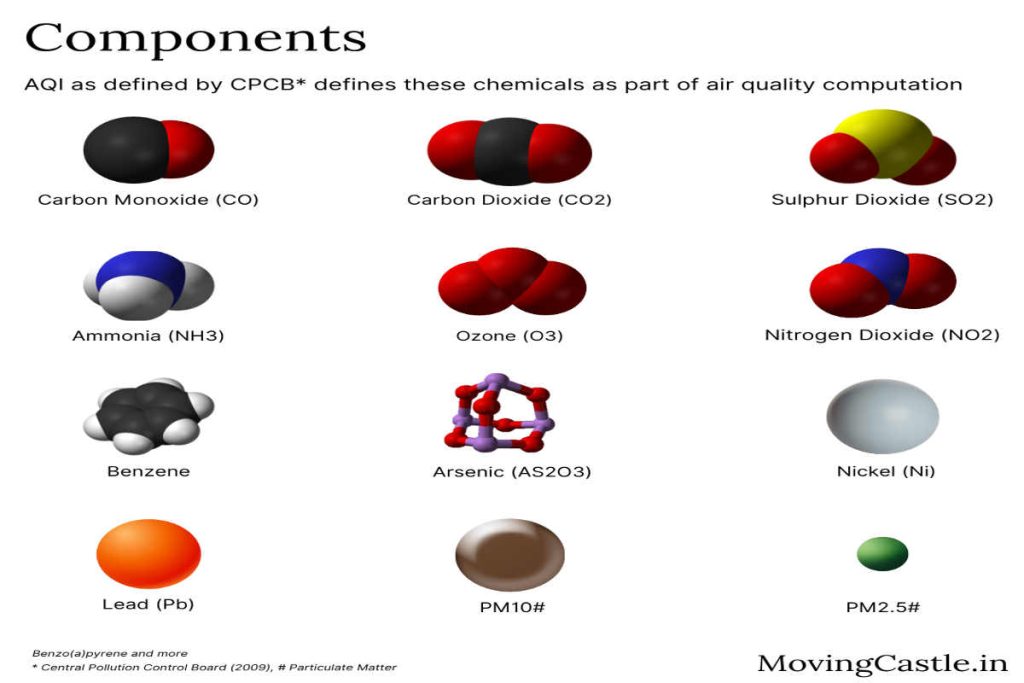
Low-cost air quality sensor networks now allow cities to deploy hundreds of monitoring points instead of a few dozen.These sensors measure pollutants such asPM2.5, PM10, nitrogen dioxide, carbon monoxide, and ozone in real time.
The World Bank explains that granular air quality data improves policy targeting and enforcement efficiency by identifying pollution hotspots rather than relying on city-wide averages.
Cities that use hyperlocal data can take faster action. Traffic restrictions can be targeted. Construction activity can be adjusted.Public advisories can be issued earlier. The economic benefit lies in prevention.Reducing exposure reduces emergency hospital visits, medication use, and long-term chronic illness.
Health and Cost Impacts of Real-Time Monitoring
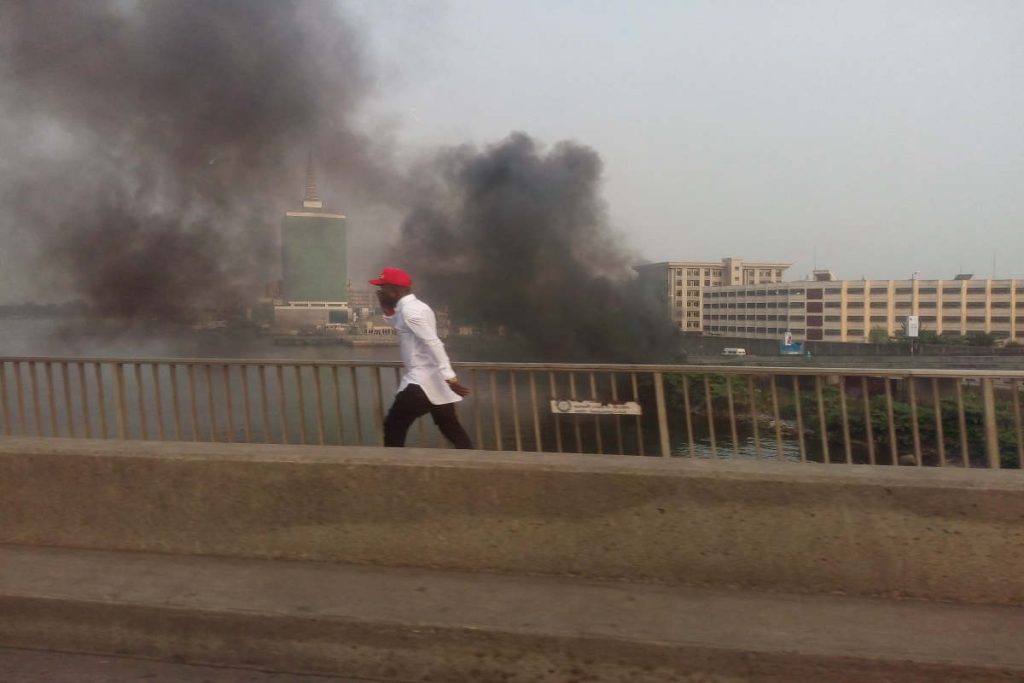
Studies show that exposure alerts and responsive measures reduce short-term exposure during high pollution episodes.
The WHO confirms that reducing exposure even temporarily lowers the risk of respiratory and cardiovascular stress.For cities, this translates into fewer emergency admissions and reduced pressure on public hospitals.
Real-time monitoring also supports long-term planning.Data reveals patterns linked to traffic flow, land use, and industrial activity. Earth5R uses local monitoring data in community programs to help residents understand pollution sources and advocate for change.
Innovation 2: Smart Traffic and Emission Management Systems
Transport is one of the largest contributors to urban air pollution. Vehicles emit nitrogen oxides, particulate matter, and volatile organic compounds, especially in congested conditions.
Traffic congestion increases emissions even when vehicle numbers remain constant.
Idling and stop-start driving worsen pollution intensity.Smart traffic management systems use sensors, cameras, and adaptive algorithms to optimise vehicle flow.They reduce idling time and congestion hotspots.
The European Environment Agency confirms that smoother traffic flow can significantly reduce nitrogen oxide and particulate emissions in urban areas.Cities that have implemented intelligent traffic control report reductions in travel time and measurable improvements in air quality along major corridors.
Economic Benefits of Smarter Traffic

Reduced congestion saves time.Time savings improve productivity.The World Bank highlights that congestion-related air pollution increases healthcare costs and reduces labour efficiency, especially in large cities
Smart traffic systems reduce fuel consumption, lower emissions, and improve commuter health.For employers, this means fewer sick days.For cities, it means lower healthcare expenditure.
Earth5R emphasises that traffic innovation works best when combined with public transport improvements and behavioural change.
Innovation 3: Electrification of Urban Public Transport
Urban public transport systems shape air quality more than almost any other intervention.
Buses, in particular, operate continuously on city roads and often run through dense residential and commercial zones.
TheInternational Energy Agency confirms that conventional diesel buses are a major source of nitrogen oxides and particulate matter in cities, while electric buses produce zero tailpipe emissions.
This distinction is critical.Tailpipe emissions are released directly at street level, where people live, walk, and work.Eliminating these emissions significantly reduces exposure in high-footfall areas.
The World Health Organization explains that reducing near-road air pollution leads to measurable reductions in asthma attacks, respiratory symptoms, and cardiovascular stress. Cities that electrify public transport therefore achieve immediate public health benefits, not just long-term climate gains.
Quantifying the Economic Impact of Electric Public Transport
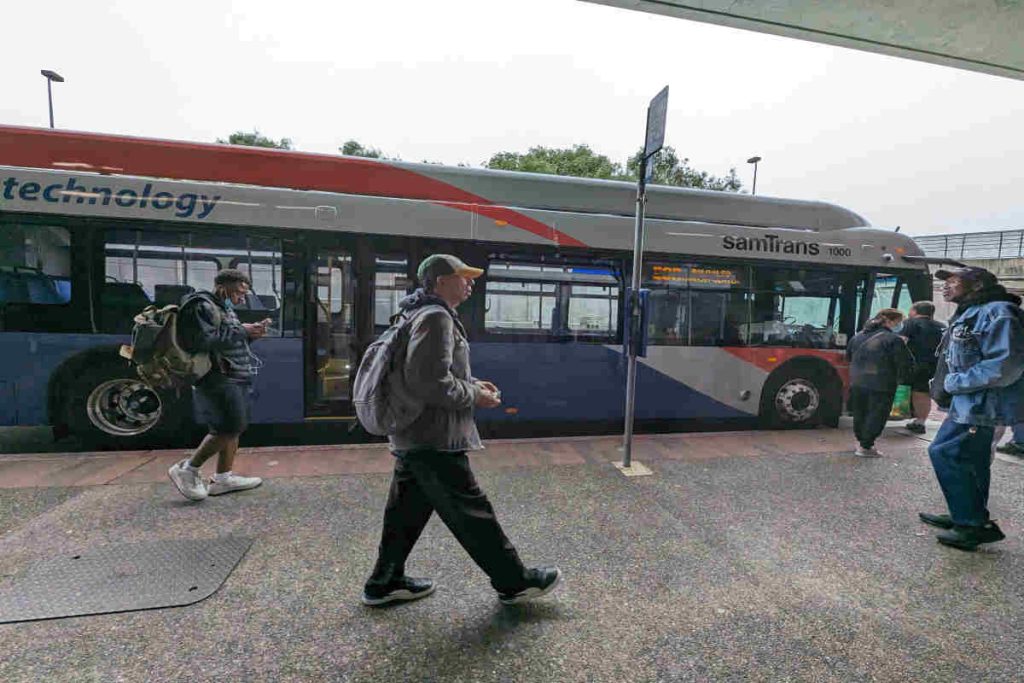
Electric buses reduce health-related costs by lowering pollution exposure along major routes.They also reduce fuel and maintenance costs over time.
The International Energy Agency reports that while electric buses have higher upfront costs, their total cost of ownership can be lower due to savings on fuel and maintenance.
For cities, these savings accumulate over the lifespan of fleets that often operate for more than 10 to 12 years. The World Bank highlights that cleaner transport reduces the economic burden of air pollution by lowering healthcare spending and improving workforce productivity.
When commuters breathe cleaner air daily, cities benefit from fewer sick days, higher labour participation, and improved quality of life. Earth5R emphasises that public transport electrification works best when combined with route optimisation and ridership incentives to maximise exposure reduction.
Why Electrification Must Be Paired With Policy and Design
Technology alone does not guarantee impact.Electric buses must replace the most polluting routes first to deliver maximum benefit.
WHO guidance stresses that targeting high-exposure corridors yields the greatest health gains per unit of investment.Cities that align electrification with air quality data achieve faster returns in health outcomes.
Earth5R supports data-driven deployment strategies that link pollution monitoring with transport planning.
Innovation 4: Urban Green Infrastructure and Biofiltration Systems
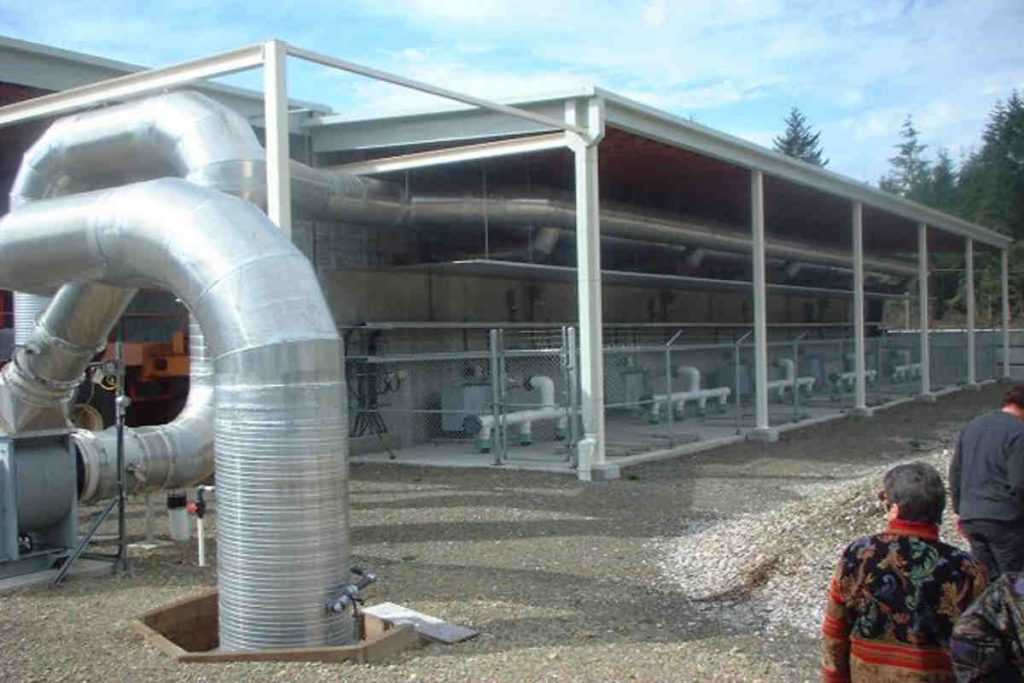
Urban green infrastructure is often viewed as aesthetic rather than functional.Research shows this perception is outdated. Vegetation can capture particulate matter, reduce surface temperatures, and improve microclimates when placed strategically.
Peer-reviewed research published in environmental health journals shows that trees and green barriers can reduce local particulate concentrations by 10 to 30 percent under certain conditions, particularly near roads.
This reduction may seem modest, but its impact is cumulative across neighbourhoods and time.The World Health Organization recognises green infrastructure as a co-benefit intervention that supports both air quality and mental health.
Economic and Health Returns From Green Infrastructure
Green infrastructure delivers multiple returns simultaneously.It reduces pollution exposure.It lowers urban heat stress.It improves psychological well-being.
The World Bank notes that urban heat and air pollution together increase health system stress, particularly during extreme weather events. By cooling urban spaces and filtering air, green infrastructure reduces emergency health incidents.
Property values also respond to greener environments.Research shows that proximity to urban green spaces is associated with higher real estate value and improved resident satisfaction.
Earth5R promotes green solutions that are integrated with waste management and water systems to maximise environmental benefits.
Biofilters and Living Walls as Targeted Air Quality Tools
Beyond traditional trees and parks, new biofiltration technologies are emerging. Living walls, moss panels, and engineered biofilters are being deployed in dense urban zones where space is limited.
Research indicates that biofilters can capture fine particulate matter and nitrogen dioxide from ambient air when installed in high-exposure locations.These systems are particularly useful near schools, hospitals, and busy intersections.
While biofilters are not a standalone solution, they provide targeted exposure reduction where people are most vulnerable.
Why Nature-Based Solutions Are Economically Efficient
Nature-based solutions often have lower lifecycle costs than purely mechanical systems.
They require less energy and deliver multiple co-benefits.
UN Environment Programme highlights that nature-based solutions provide cost-effective approaches to pollution control while enhancing urban resilience.
Cities that invest in green infrastructure reduce future healthcare and climate adaptation costs.Earth5R advocates for combining green infrastructure with community stewardship to ensure long-term maintenance and impact.
The Synergy Between Transport and Green Innovation
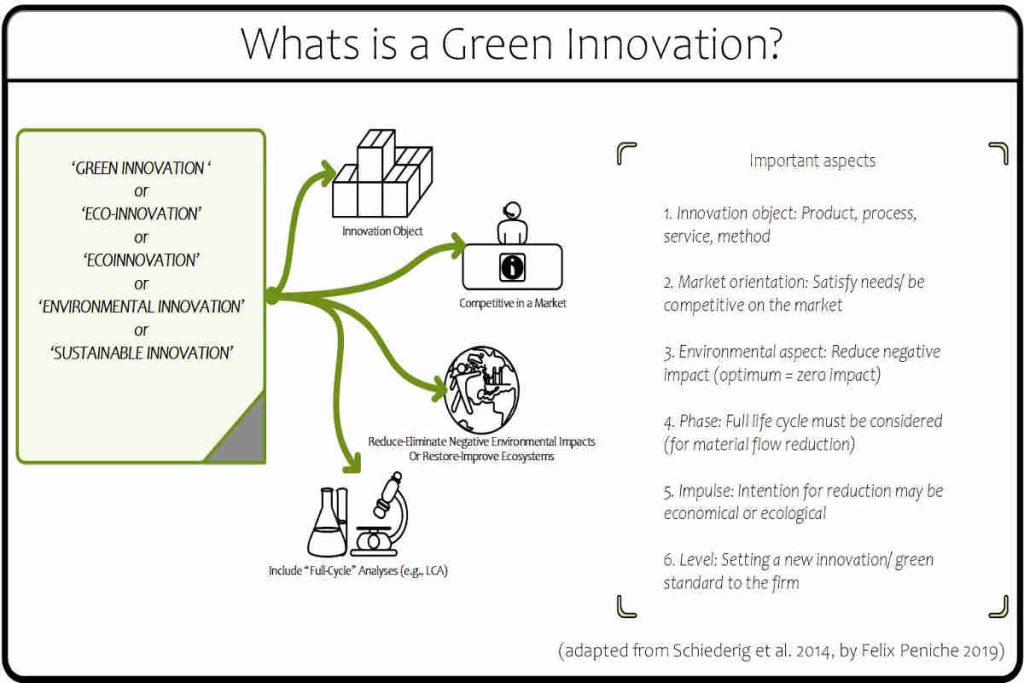
Transport electrification reduces emissions at the source.Green infrastructure reduces exposure where emissions remain.Together, these innovations address both pollution generation and pollution impact.
The World Health Organization emphasises that layered interventions produce stronger health outcomes than isolated actions.Cities that adopt integrated approaches see faster improvements in air quality indicators.
Why These Innovations Save Millions
Healthcare systems pay the cost of polluted air.Cities pay through lost productivity and infrastructure stress.
The World Bank confirms that reducing air pollution delivers economic benefits that far exceed the cost of intervention when health gains are included.Transport electrification and green infrastructure directly reduce exposure for millions of urban residents every day.
The result is fewer hospital visits, lower medication use, and a healthier workforce.
Innovation 5: Continuous Industrial Emission Monitoring Systems
Industrial activity located within or near cities remains a major contributor to urban air pollution.Factories, power plants, and processing units release nitrogen oxides, sulphur dioxide, particulate matter, and volatile organic compounds.
Traditional regulatory inspections are periodic and reactive.Pollution spikes often occur between inspections and go unrecorded.
Continuous Emission Monitoring Systems allow pollutants to be measured in real time directly from industrial stacks.Data is transmitted automatically to regulators and plant operators.
The World Bank notes that continuous monitoring improves compliance and reduces enforcement costs by identifying violations early rather than after damage has occurred.
When emissions are detected in real time, industries can correct operational failures before pollution spreads into surrounding communities.
Quantifying the Benefits of Continuous Monitoring
Air pollution from industrial sources has direct health consequences for nearby populations.
The World Health Organization links exposure to industrial emissions with increased rates of chronic respiratory disease and cardiovascular illness.
Studies show that reducing industrial emission peaks lowers hospital admissions in surrounding areas, particularly among children and elderly populations.
From an economic perspective, continuous monitoring reduces uncertainty for both regulators and operators.Industries avoid sudden shutdowns and penalties by maintaining emissions within limits.
Cities benefit from fewer pollution incidents that require emergency response or long-term remediation.Earth5R highlights that transparency enabled by continuous monitoring builds trust between communities, regulators, and industry.
Why Data Transparency Matters for Air Quality Governance
Public access to emissions data increases accountability.When communities can see pollution levels, pressure for compliance rises.The World Bank emphasises that transparent environmental data improves governance outcomes by aligning incentives across stakeholders.
Cities that publish industrial emission data experience stronger enforcement outcomes and fewer repeat violations.Earth5R integrates data literacy into community engagement programs so residents can interpret and act on pollution information.
Innovation 6: Cleaner Construction Technologies and Dust Control
Construction activity is one of the most underestimated sources of urban air pollution.
Demolition, excavation, and material handling generate large volumes of coarse and fine particulate matter.
PM10 and PM2.5 released during construction contribute significantly to local pollution levels, especially in rapidly growing cities.
The World Health Organization identifies construction dust as a contributor to respiratory irritation and long-term lung damage in exposed populations. Innovations in construction practices now allow dust emissions to be reduced at source.
How Cleaner Construction Reduces Pollution

Dust suppression technologies such as water misting systems, enclosed material handling, covered transport, and prefabricated construction reduce airborne particles. Peer-reviewed research shows that improved dust control can reduce construction-related particulate emissions by 30 to 50 percent, depending on site conditions and enforcement.
Prefabrication further reduces on-site dust by shifting cutting and assembly to controlled environments.For cities, this translates into lower neighbourhood pollution during long construction periods that can last several years.
Economic and Health Benefits of Cleaner Construction
Cleaner construction sites improve worker safety and reduce accident risk.They also reduce project delays caused by complaints and regulatory intervention.
From a health perspective, reducing dust exposure lowers respiratory symptoms among nearby residents.This reduces healthcare visits and improves quality of life.The World Bank highlights that reducing local pollution sources yields immediate health benefits that far outweigh the cost of control measures.
Earth5R works with construction stakeholders to integrate dust control into sustainability planning rather than treating it as a compliance afterthought.
Why Enforcement Technology Matters
Innovations only deliver impact when enforcement is consistent.Cities increasingly rely on digital tools to monitor compliance.
Remote sensing, automated alerts, and data integration platforms allow regulators to identify violations faster.The World Bank notes that technology-enabled enforcement improves efficiency and reduces corruption risk by limiting discretionary inspections.
When enforcement becomes predictable and data-driven, compliance improves across sectors.
The Cost of Ignoring Industrial and Construction Pollution
Industrial and construction emissions often affect low-income neighbourhoods located near work zones and industrial corridors.The World Health Organization highlights that environmental exposure disproportionately affects vulnerable populations, increasing inequality.
Health impacts accumulate silently.Children exposed to pollution experience reduced lung development.Adults face higher chronic disease risk.Cities that fail to control these sources incur long-term healthcare and productivity costs that are difficult to reverse.
Innovation 7: Community-Centered Air Quality Action Platforms

Technology alone cannot clean urban air.Air quality improves only when data leads to behaviour change, institutional response, and sustained civic engagement.
Community-centered air quality platforms combine monitoring data, public communication, and local action.They translate complex pollution information into understandable insights for residents, schools, workers, and local authorities.
The World Health Organization stresses that public awareness and community participation are essential components of effective air pollution reduction strategies.When people understand exposure risks, they adapt behaviour and demand corrective action.
These platforms often integrate real-time air quality data with alerts, health guidance, and reporting mechanisms.Residents receive warnings during high pollution episodes.Local governments receive pressure to act when pollution persists.
The economic value lies in prevention.Reduced exposure lowers emergency hospital visits, medication use, and long-term disease burden.
Why Community Platforms Reduce Systemic Costs
Air pollution is costly partly because it goes unnoticed until damage is done.Community platforms make pollution visible.
The World Bank explains that transparency in environmental data improves accountability and leads to better policy outcomes.When citizens can access pollution data, enforcement improves and compliance rises.
Cities that invest in public-facing air quality platforms benefit from faster response times and reduced long-term health expenditure.Community platforms also improve trust.
When residents feel informed and involved, resistance to policy measures such as traffic restrictions or construction controls declines.
Earth5R emphasises that trust is a critical but often overlooked component of environmental governance.
Earth5R Case Study: Community-Led Air Quality Action in Urban Neighbourhoods

Earth5R’s work on air quality focuses on linking environmental data with community action rather than treating technology as a standalone solution.
In several Indian urban neighbourhoods where Earth5R operates sustainability and waste management programs, air quality concerns frequently intersect with waste burning, traffic congestion, and construction dust.
Earth5R has worked with local communities to identify visible pollution sources such as open waste burning, unmanaged construction debris, and blocked green spaces. Through training sessions and awareness drives, residents learn how everyday practices contribute to local air pollution.
Earth5R’s river cleanup and waste management initiatives indirectly support air quality improvement by reducing open burning of waste and preventing decomposition-related emissions.
In neighbourhoods where waste segregation and local composting practices are adopted, instances of open waste burning decline.This leads to noticeable improvements in local air quality, particularly during early mornings and evenings when burning often occurs.
Earth5R also works with youth and community volunteers to monitor local environmental conditions and engage with municipal authorities.These interactions help escalate persistent pollution issues such as unregulated construction dust or traffic bottlenecks.
While Earth5R does not operate government monitoring stations, its community programs strengthen the feedback loop between residents and authorities.This social infrastructure is essential for sustaining air quality improvements.
The case demonstrates that community-level action does not replace policy or technology.
It amplifies their effectiveness.
Why Earth5R’s Model Is Relevant for Cities
Earth5R’s approach aligns with global best practices that emphasise integrated action.The World Health Organization notes that multisectoral and community-engaged approaches deliver stronger air quality outcomes than isolated interventions. Earth5R connects waste management, water protection, and sustainability education with air quality outcomes.This reflects the reality that pollution sources are interconnected.
For example, unmanaged waste contributes to air pollution through burning.Poor traffic planning increases emissions.Lack of green spaces worsens exposure.Addressing these issues together produces compounding benefits.
Why These Seven Innovations Can Save Millions
Air pollution costs cities through healthcare expenditure, productivity loss, and environmental degradation.The World Bank confirms that reducing air pollution delivers economic benefits that significantly exceed the cost of intervention when health gains are accounted for.Each innovation discussed in this review targets a different part of the pollution system.
Real-time monitoring reduces exposure by enabling early action.Smart traffic systems cut emissions at source.Electric public transport eliminates tailpipe pollution.Green infrastructure reduces exposure and heat stress.
Industrial monitoring prevents emission spikes.Cleaner construction reduces prolonged dust exposure.Community platforms ensure sustained action.Together, these innovations form a preventive health and economic strategy.
From Pollution to Prevention: A Smarter Urban Air Quality Path Forward
Urban air pollution is one of the most expensive failures of modern urbanisation.Its costs are paid quietly through hospitals, lost workdays, and reduced quality of life. This Earth5R Tech Review shows that effective innovations already exist.They are not experimental concepts.They are deployable tools with proven benefits.
When combined thoughtfully, these seven innovations can save millions by reducing healthcare costs, improving productivity, and protecting urban ecosystems. Earth5R’s work demonstrates that technology works best when paired with community empowerment and systemic thinking.
Cleaner air is not a distant ambition.It is an achievable outcome when cities choose integrated innovation over fragmented action.
Why Inaction Is the Most Expensive Option
Failing to act allows pollution to accumulate.Health impacts worsen over time.Economic losses compound.
The World Health Organization highlights that long-term exposure to polluted air increases the risk of chronic diseases that permanently reduce workforce participation.
Once these impacts are embedded, they are costly to reverse.Cities that delay investment face higher future healthcare costs and reduced competitiveness.
FAQs on Urban Air Quality Innovations and City Health
What is the main focus of the Earth5R Tech Review on urban air quality?
The review focuses on practical innovations that reduce urban air pollution while improving public health and economic productivity.
Why is urban air pollution considered an economic issue and not just an environmental one?
Air pollution increases healthcare costs, reduces worker productivity, and leads to lost workdays, which together create large economic losses for cities.
What types of air pollutants are most harmful in urban areas?
Fine particulate matter such as PM2.5, nitrogen dioxide, ozone, and sulphur dioxide are among the most harmful pollutants in cities.
How do real-time air quality sensor networks help cities?
They provide hyperlocal data that allows cities to detect pollution hotspots early and take targeted action to reduce exposure.
Why is traffic management important for improving urban air quality?
Traffic congestion increases vehicle emissions, and smarter traffic systems reduce idling and stop-start driving that worsen pollution.
How does electrifying public transport improve air quality?
Electric buses and trains produce zero tailpipe emissions, reducing pollution in dense urban corridors where people are most exposed.
Are electric buses economically viable for cities?
Yes, although upfront costs are higher, long-term savings from fuel, maintenance, and health benefits often outweigh initial investments.
What role does urban greenery play in air pollution reduction?
Trees, green walls, and biofilters help capture particulate matter and reduce heat, which lowers pollution exposure.
Can green infrastructure alone solve urban air pollution?
No, it works best when combined with emission reduction measures such as cleaner transport and industrial controls.
Why are industrial emissions a concern in cities?
Industries release pollutants that affect nearby communities, increasing the risk of respiratory and cardiovascular diseases.
How does continuous emission monitoring improve industrial compliance?
Real-time monitoring detects pollution spikes early, allowing faster correction and reducing long-term environmental damage.
Why is construction activity a major air pollution source?
Demolition, excavation, and material handling generate dust that contributes significantly to particulate pollution.
How do cleaner construction technologies reduce air pollution?
Dust suppression systems, covered transport, and prefabrication reduce airborne particles during construction.
What are community-centered air quality platforms?
They are systems that combine air quality data, public communication, and local action to reduce pollution exposure.
Why is community participation important for cleaner air?
Informed communities adapt behaviour, support enforcement, and demand accountability, which strengthens pollution control efforts.
How does waste management relate to urban air quality?
Poor waste management leads to open burning and emissions, while proper segregation and processing reduce air pollution.
What is Earth5R’s role in improving urban air quality?
Earth5R connects environmental data, community action, and sustainability programs to reduce pollution at the local level.
Can these air quality innovations be applied in developing cities?
Yes, many of these solutions are scalable and adaptable to different urban contexts.
Why is an integrated approach more effective than isolated solutions?
Air pollution comes from multiple sources, and addressing them together produces stronger and faster results.
Is cleaner urban air realistically achievable?
Yes, when cities invest in proven innovations and engage communities, significant air quality improvements are achievable.
Build Cities That Protect Health and Productivity
Urban air quality is a shared responsibility.Governments, businesses, communities, and civil society all play a role.
Partner with Earth5R to design community-driven, data-informed air quality initiatives that deliver measurable impact.Support solutions that reduce pollution at source and protect vulnerable populations.
Visit Earth5r to learn more about Earth5R’s environmental programs, sustainability education, and urban impact initiatives.
Authored by- Sneha Reji