
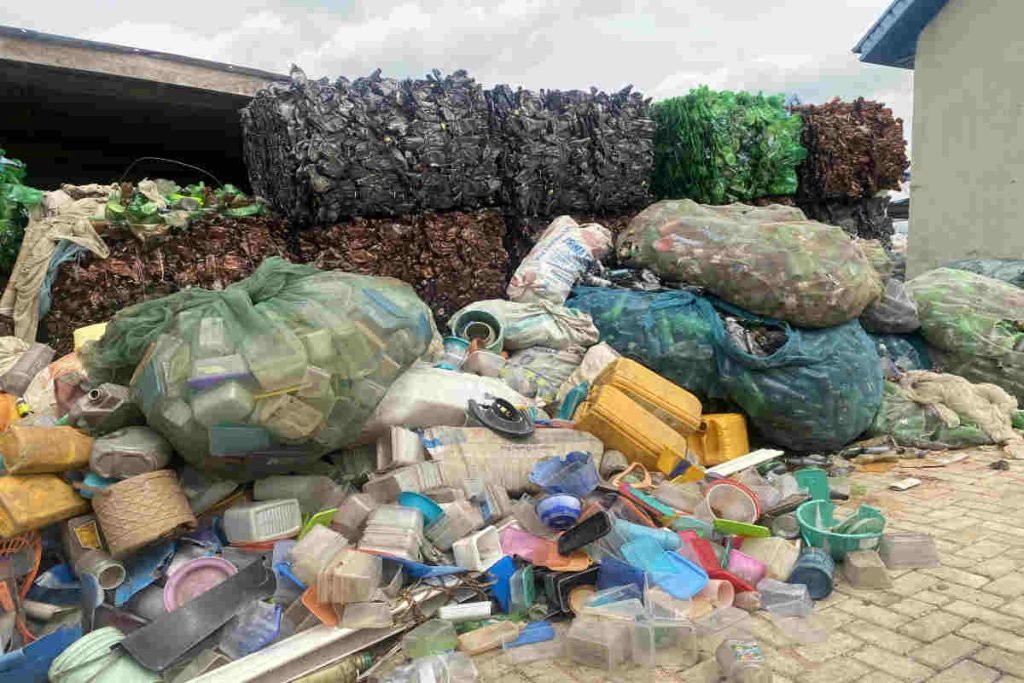
Waste management in India is rapidly becoming a high-value opportunity for every environmental organisation, environmental NGO, city, and corporate CSR and ESG program.
The reason is simple. Waste volumes are rising faster than most systems can manage, but the same waste streams contain materials with real market value.
The World Bank estimates that the world generated about 2.24 billion tonnes of solid waste in 2020 and that annual waste generation could rise to 3.88 billion tonnes by 2050, a jump of about 73 percent.
UNEP projects municipal solid waste rising from 2.1 billion tonnes in 2023 to 3.8 billion tonnes by 2050 and warns that global annual costs including hidden impacts could reach USD 640.3 billion by 2050 without urgent action.UNEP
Earth5R’s community-first approach treats waste as a local resource, not a distant problem.
That shift is what unlocks monetisation.
This model analysis explains how 6 waste types can be monetised with the right community design, how money moves across the chain, and why community trust and segregation are the real technology.
Why monetising waste needs a community model, not only a facility
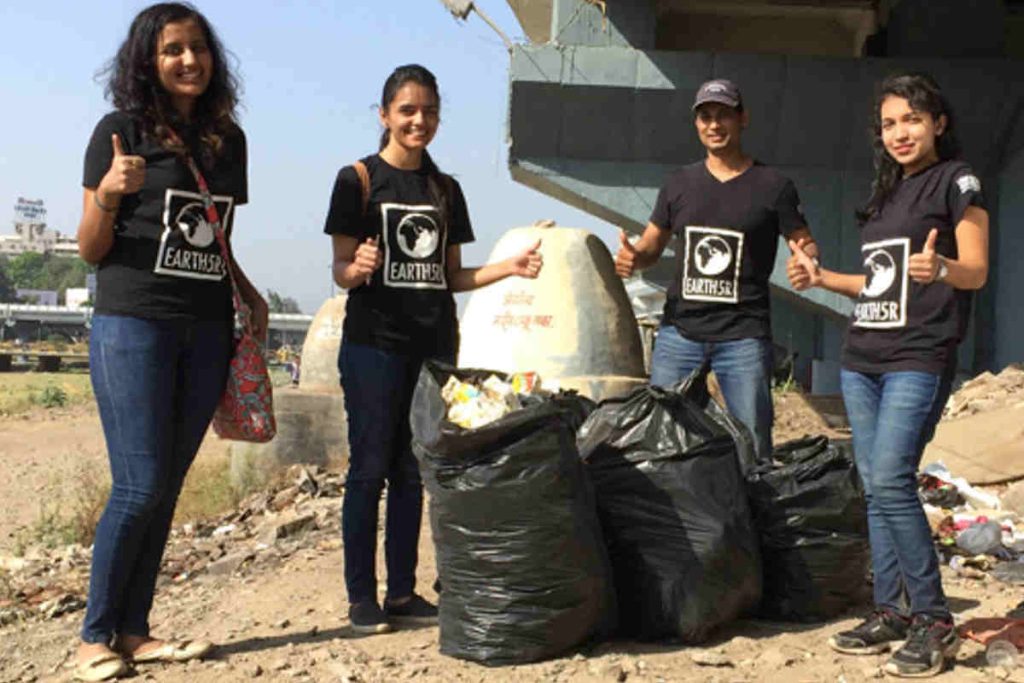
Most monetisation plans fail for one reason.hey start with machines and end with mixed waste.Markets pay for quality.Quality comes from segregation at source, clean storage, predictable collections, and transparent accountability.
A community model builds that quality through people, training, systems, and incentives.
It reduces contamination, improves resale rates, and stabilises monthly revenue.
The World Bank’s “What a Waste” work also emphasises that mismanagement such as open dumping and burning remains common in many places, which destroys material value and adds health costs.
UNEP similarly highlights that poor disposal carries hidden costs through pollution, poor health, and climate impacts. This is where Earth5R’s model becomes practical.It is not just “collect and dump.”It is “segregate, recover, monetise, and reinvest locally.”
The Earth5R-style monetisation pipeline in simple steps
In a monetisation-focused community waste management design, value is created in stages.
Value begins with household segregation that separates wet waste, dry recyclables, and domestic hazardous waste.Value increases with community-level sorting and quality control.Value peaks when materials are channelled into the right buyers, compliant recyclers, or authorised recovery systems.
Revenue does not come only from selling recyclables.It also comes from avoided costs such as reduced transport, reduced landfill tipping, reduced cleaning costs, and fewer complaints.
In many Indian cities, decentralised organics processing also reduces long-haul transport needs, which is often the most expensive part of waste operations.Globally, collection and transport can dominate waste system spending.
Waste type 1: Organic waste that becomes compost and soil value
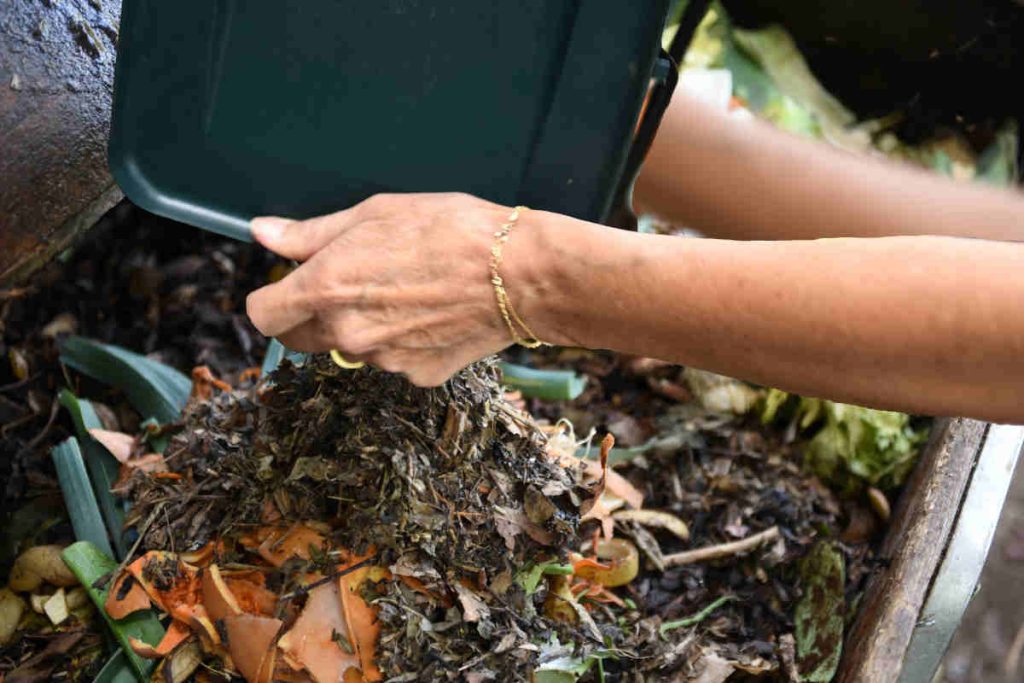
Organic waste is the largest fraction of municipal waste in many cities.If it is mixed, it contaminates everything.If it is separated, it becomes a product.Composting is one of the most stable monetisation pathways because demand for soil inputs exists across cities, farms, landscapers, and institutions.
FAO explains that composting reduces pollution, reuses organic waste, reduces fertilizer costs, and returns nutrients to the soil. This matters because compost monetisation is not only a waste story.It is a soil and food resilience story.
A simple community composting unit can convert daily wet waste into compost within weeks depending on the method.If a community processes 300 kg of wet waste per day, that is about 9 tonnes per month of input.
Even if only a portion becomes usable compost by weight, the avoided transport and landfill burden can be substantial.A recent Bengaluru example reported residents processing about 500 kg of wet waste per day via decentralised composting, turning a daily liability into a community soil resource.
Not every site will match this output, but it shows the scale that communities can reach when systems and training exist.Monetisation routes for compost work best when compost quality is consistent.
That requires strict segregation, control of plastics contamination, and proper curing.When compost is trustworthy, demand becomes repeatable, and revenue becomes predictable.Earth5R’s community training and sustainability education approach strengthens these outcomes because composting success is behaviour-led.
Waste type 2: Plastics that become recycled feedstock and circular revenue
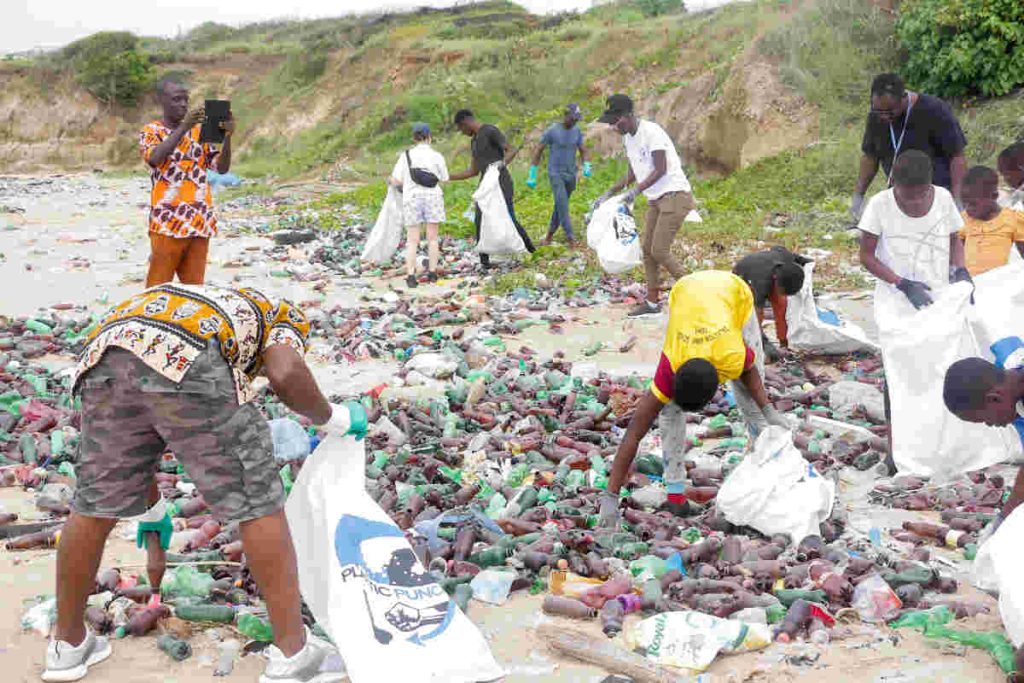
Plastic waste is often seen as low value because it is cheap when new. But the volume is massive, and the pollution cost is rising.
OECD reports that global plastic waste more than doubled from 2000 to 2019 and reached 353 million tonnes in 2019.After losses, only about 9 percent was ultimately recycled.That gap represents both a failure and a market opening.
UNEP notes that millions of tonnes of plastic enter aquatic ecosystems each year, showing why plastic recovery is increasingly linked to regulation and corporate responsibility.
Plastic monetisation depends on sorting by polymer, cleanliness, and density.
A community model can drive this by teaching residents what to separate, setting standards for rinsing, and building local buy-back points that price materials transparently.
When plastic is collected as mixed waste, it often ends up in dumping, burning, or low-grade recovery.When it is collected as clean PET bottles, HDPE containers, or rigid plastics, it becomes a feedstock for recycling markets.
The community model matters here because plastic markets punish contamination.A single dirty stream can reduce the price of an entire batch.A strong Earth5R-style system uses local sorting, clear signage, and peer-led accountability.It also links the recovered plastic to credible recyclers and circular supply chains.
This connects directly to CSR and ESG goals because plastic reduction and circularity are now major corporate expectations.It also supports river cleaning outcomes because plastic is a key river pollutant in many urban contexts.
Waste type 3: E-waste that becomes precious metals and compliant value
E-waste is one of the most monetisable waste streams per kilogram, but it is also one of the most hazardous when handled informally.
The Global E-waste Monitor 2024 estimates the economic value of metals contained in global e-waste generated in 2022 at about USD 91 billion, with major values in copper, gold, and iron. Its report also highlights a widening gap between rising e-waste generation and documented collection and recycling.
WHO warns that e-waste contains toxic substances and can create serious health risks when processed unsafely.
The Basel Convention explains that e-waste can be hazardous due to materials like mercury, lead, and brominated flame retardants, while also containing precious metals and rare strategic materials.
For monetisation, the community model must prioritise safe channelisation rather than backyard extraction.The value is real, but so is the risk.
A well-designed community approach sets up periodic collection drives, secure storage, and partnerships with authorised recyclers.Revenue is created through aggregation because many households have small volumes, but neighbourhoods have scale.
This is also a high-impact ESG pathway because it reduces toxic leakage and supports responsible material recovery.It is well suited for CSR-linked drives, school programs, and corporate campus systems.
Earth5R’s sustainability education and community mobilisation programs can support this kind of responsible collection design.
Waste type 4: Textile waste that becomes resale, reuse, and fibre value
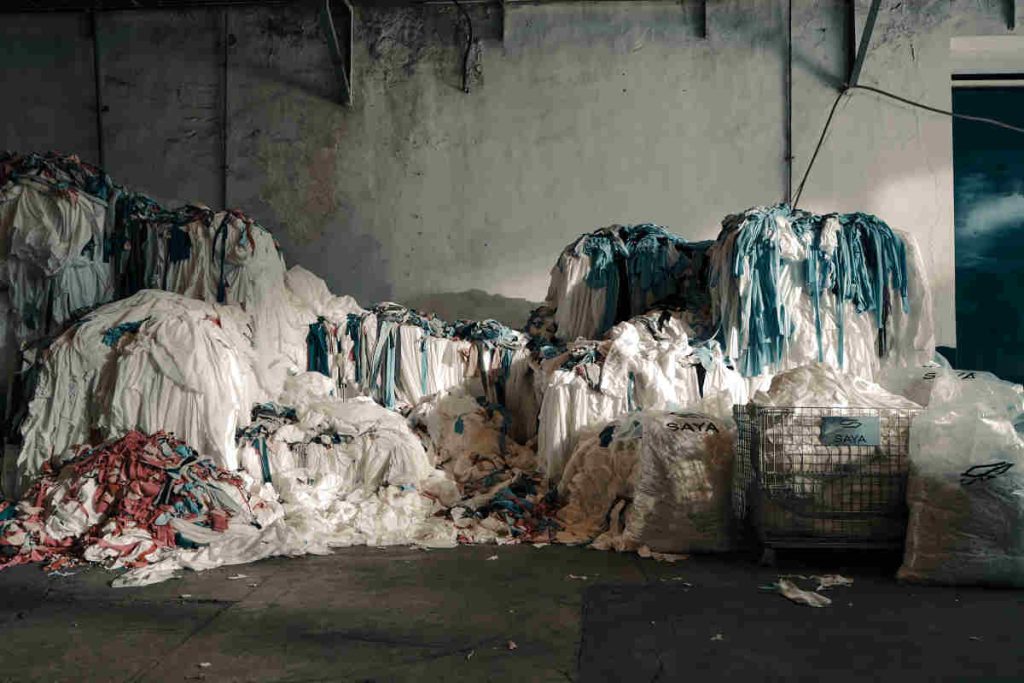
Textile waste is no longer a niche issue.It is a global flood.
UNEP has stated that the world produces about 92 million tonnes of textile waste every year and that clothing production doubled from 2000 to 2015 while garment use duration declined significantly.
This matters because textile monetisation is not only recycling.It starts with reuse.
The highest value step is always “keep it in use.”A community model can support repair, donation, resale events, and sorting drives that separate wearable clothes from damaged textiles.Wearable clothing can go into resale markets.Non-wearable textiles can go into recycling streams where available, or into industrial wiping cloths, stuffing, or downcycling.
Community design is critical because textile quality sorting is labour-intensive.Local women’s groups, youth clubs, or resident associations can become sorting and resale organisers, creating local livelihood options.
This kind of model directly supports social impact goals under CSR and ESG because it can create income opportunities, especially for community-based micro-entrepreneurs.
Waste type 5: Used cooking oil that becomes biodiesel and industrial value
Used cooking oil is one of the most overlooked monetisable waste streams in urban India.
It is also a public health risk when it re-enters the food chain illegally.The monetisation route is clear.Used cooking oil can be converted into biodiesel through established processes.
Recent peer-reviewed work continues to study biodiesel production from waste cooking oil, including process optimisation and yield improvements under different conditions.Even without relying on one yield number, the direction is firm.Waste oil is a viable feedstock when collected systematically.
A community model matters because the collection chain must be clean, consistent, and traceable.Restaurants, hostels, community kitchens, and food courts can become anchor suppliers.Neighbourhood collection points can bring in smaller household volumes.
The value multiplies when cities partner with authorised aggregators and biodiesel producers, and when traceability reduces illegal reuse.This also links to air quality because open burning of waste and dirty fuels creates severe pollution.
WHO’s work on open waste burning highlights harmful emissions and health effects, reinforcing why clean waste-to-fuel pathways matter.
Waste type 6: Construction and demolition waste that becomes recycled aggregates and new materials
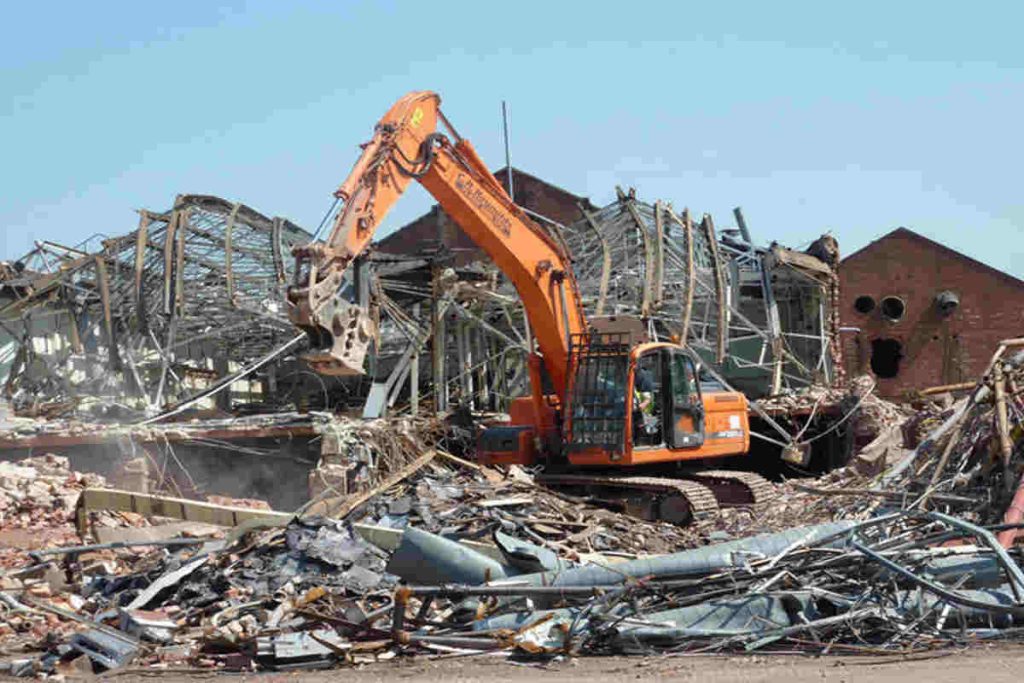
Construction and demolition waste looks like rubble, but it contains monetisable materials such as concrete, bricks, metals, and wood.Recycling construction waste into aggregates reduces the demand for virgin material and can reduce disposal burdens.
Peer-reviewed research has assessed recycled aggregate benefits and performance in concrete materials, showing strong interest in the pathway and its sustainability value. In a community model analysis, this stream is slightly different because it is not household-generated.But it is local.And it can be organised through ward-level partnerships, builder associations, and city systems.
The monetisation logic works best when projects separate waste at site, avoid contamination, and send material to certified recycling units.The revenue comes from lower disposal costs, lower procurement costs for aggregates in some contexts, and reduced illegal dumping risk.
This also supports river cleaning outcomes because construction waste dumping near drains and rivers is a common source of siltation and pollution in many cities.Earth5R’s river cleaning framing aligns well with integrating construction waste discipline into urban sustainability.
The hidden value lever: avoided costs and health protection
Monetisation is not only sales.It is also avoided harm.
Open burning of waste produces dangerous pollutants and harms health.WHO explains that open waste burning produces air pollutants that harm both climate and health, causing respiratory diseases and other adverse outcomes.
Scientific research has also highlighted open burning of plastic wastes as a serious pollution issue, reinforcing why monetisation should reduce burning by making waste valuable and organised.
When waste becomes a resource, burning declines because value chains replace disposal behaviour.This reduces healthcare costs, improves neighbourhood cleanliness, and supports worker productivity.These gains matter for CSR and ESG reporting because they show measurable risk reduction, not only activity counts.
What makes a community model succeed financially
A monetisation model succeeds when the following conditions are met in real operations.
Source segregation must be easy, visible, and socially normal.Collection must be predictable.Sorting must be quality-driven, not just volume-driven.Buyers must be reliable and transparent on pricing.Revenue must be partially reinvested locally so participation remains high.
This is why Earth5R-style systems emphasise education, resident engagement, and community leadership rather than relying only on equipment.Earth5R’s sustainability programs support the behavioural infrastructure needed for monetisation.
How CSR and ESG funding accelerates monetisation models
Corporate social responsibility funding is often used for cleanup drives and awareness.
That is useful, but it is not enough.A better use of CSR is to build the local monetisation backbone.This includes setting up local sorting stations, composting infrastructure, training programs, and digital tracking.
This also aligns strongly with ESG because it demonstrates measurable outcomes such as diversion, recycling, reduced leakage, and livelihoods created.UNEP’s framing of hidden waste costs also supports the idea that prevention and recovery systems reduce long-run economic burden.
The World Bank’s solid waste guidance similarly shows why waste systems must evolve as volumes rise. When CSR and ESG support stable systems, monetisation becomes self-reinforcing.The community sees benefits.The corporate partner sees measurable impact.The city sees reduced burden.
A practical Earth5R-aligned case pattern you can replicate
A realistic Earth5R-aligned community monetisation pattern looks like this.
A neighbourhood begins with a segregation campaign and simple training.Dry waste is sorted weekly through a resident-backed system.Wet waste is processed locally into compost.E-waste is collected monthly through an authorised channel.
Textiles are collected quarterly through reuse drives.Used cooking oil is aggregated from local food businesses.Construction debris is routed through ward-level partnerships.The revenue flows are modest at first, then stabilise as contamination falls.Over time, the main value becomes system reliability and avoided costs.
This is also where Earth5R’s broader model connects.Waste management improvements support river cleaning by reducing plastic and waste leakage into drains.
FAQs on Community Waste Monetisation and the Earth5R Model
What does it mean to monetise waste through a community model?
It means designing waste systems where communities actively segregate, manage, and channel waste into recovery pathways that generate economic value while reducing environmental harm.
Why is waste now considered an economic system rather than just a sanitation issue?
Because rising waste volumes, health costs, and environmental damage have made disposal expensive, while recoverable materials represent measurable economic value.
Why do centralised waste systems struggle to monetise waste effectively?
They depend on mixed waste inputs, face high contamination, incur large transport costs, and often fail to capture material value efficiently.
How does segregation at source improve monetisation outcomes?
Segregation prevents contamination, improves material quality, reduces sorting costs, and stabilises market prices for recovered materials.
Why is organic waste considered the foundation of successful waste monetisation?
Because it forms the largest share of household waste and determines whether other recyclable streams remain clean and valuable.
How does community composting create economic value?
It reduces transport and landfill costs, avoids methane emissions, and produces compost that can be used or sold locally.
Why are plastics difficult but important to monetise?
Plastics require clean sorting by polymer type, but when managed correctly, they reduce pollution and support circular economy markets.
How do community models reduce plastic contamination?
Through education, visible norms, local sorting, and accountability that mechanical systems cannot achieve alone.
Why is e-waste considered high value but high risk?
Because it contains valuable metals but also hazardous substances that require safe handling and authorised recycling.
How do community systems safely monetise e-waste?
By aggregating material locally and routing it through formal, compliant recycling channels rather than informal processing.
What makes textile waste suitable for community-based monetisation?
Textile reuse and repair rely on human judgement and local labour, making community sorting more effective than centralised systems.
How does textile reuse create livelihoods?
Through repair, resale, and upcycling activities that generate income while extending garment life.
Why is used cooking oil an important waste stream to manage?
Because improper reuse poses health risks, while proper collection allows conversion into biodiesel and cleaner energy.
How does community aggregation support used cooking oil monetisation?
By consolidating small quantities into traceable volumes that meet quality standards for biofuel processing.
Why is construction and demolition waste often mismanaged?
Due to weak enforcement, high disposal costs, and limited local recycling infrastructure.
How can construction waste be monetised responsibly?
By segregating materials at source and routing them to authorised recycling facilities for aggregates and metal recovery.
What are avoided costs in waste monetisation?
They include reduced healthcare spending, lower pollution cleanup costs, avoided flood damage, and improved productivity.
Why are avoided costs often larger than direct revenue?
Because preventing pollution and illness saves long-term public and private expenditure that far exceeds material sales.
How does the Earth5R model integrate multiple waste streams?
By using shared community infrastructure, governance, and behaviour change to manage different waste types within one system.
Why is community participation essential for long-term success?
Because trust, accountability, and consistent behaviour are necessary to maintain quality and economic viability.
How does community waste monetisation support urban sustainability goals?
It reduces pollution, improves health, creates livelihoods, protects water systems, and strengthens city resilience simultaneously.
Turn Waste Into Local Wealth Through Community Action
Urban waste is no longer just a cleanliness issue.It is a defining challenge for public health, economic resilience, and environmental sustainability.
Cities, institutions, and corporates now have an opportunity to move beyond disposal and invest in systems that create lasting value.Community-based waste monetisation reduces pollution, lowers long-term costs, creates livelihoods, and strengthens urban resilience.
Earth5R works with communities, governments, and CSR partners to design and implement integrated waste systems that are practical, scalable, and socially inclusive.
These models turn everyday waste streams into resources while protecting air, water, and public health.
Join Earth5R in building waste systems that work for people and the planet.
Support community-led waste management, sustainability education, and river protection initiatives that deliver measurable impact.
VisitEarth5r to collaborate, support, or implement community waste monetisation programs in your city or organisation.
Authored by- Sneha Reji