Earth5R

JOURNAL
Home  /  EarthJournal
Research & Insights

EarthJournal

In-depth research, field intelligence, and sustainability analysis from Earth5R's work across 65 countries.

Powered by 12.2M Hours of Field Data
ewaste e waste earth5r mumbai india

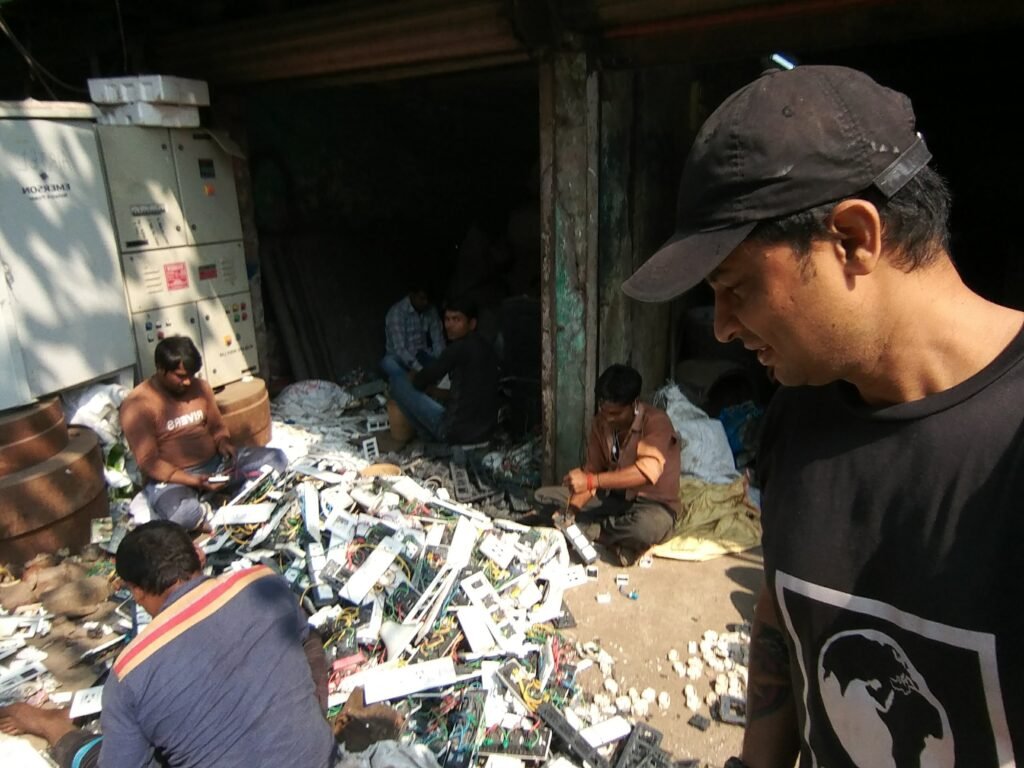
E-Waste Collection: India’s Bottleneck Isn’t Recycling

India’s official e-waste figures describe a system that is improving quickly on paper. Generation is rising, formal processing is rising faster, and the regulatory architecture has expanded to cover a wide product range. Read alone, the numbers suggest a problem being brought under control. Read against what happens at the point of disposal, they describe something more complicated, a formal system that is growing while the material it needs continues to flow somewhere else.

Read More »
Saurabh-Gupta-founder-Earth5R-demonstrating-decentralized-river-cleaning-methods-at-Mula-Mutha-river

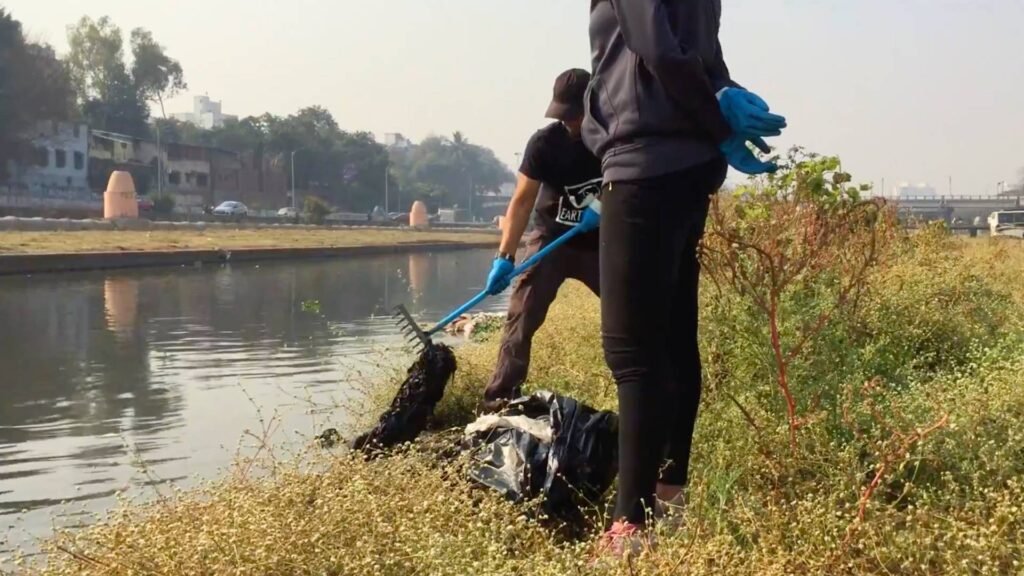
River Cleanup CSR Projects: From Funding to Field Impact

Most plastic that reaches the ocean does not travel there directly. It moves through drains, nullahs and small urban rivers that pass within a few kilometres of the households and businesses that discarded it. This is a structural insight rather than a rhetorical one: it means the leakage point is geographically concentrated, physically accessible, and therefore something a corporate programme can actually be sited against. Interception at the waterway is the last point in the chain where a tonne of escaped plastic can still be captured, which is why river plastic recovery sits where it does in the waste hierarchy.

Read More »
CBAM Indian Steel Industry Carbon Price ESG BRSR India Earth5R Environmental NGO

CBAM and Indian Steel: Why Verified Data Wins

Since January 2026, CBAM — the European Union’s Carbon Border Adjustment Mechanism — has put a real, invoiced price on the carbon embedded in Indian steel. For Indian steel exporters, the gap between a punishing bill and a fair one now comes down to one thing: verified carbon data. This is a look at what the rule actually does, the fairness India is owed, and the single lever that lowers the cost today.

Read More »
Powai Lake Cleanup- Earth5R

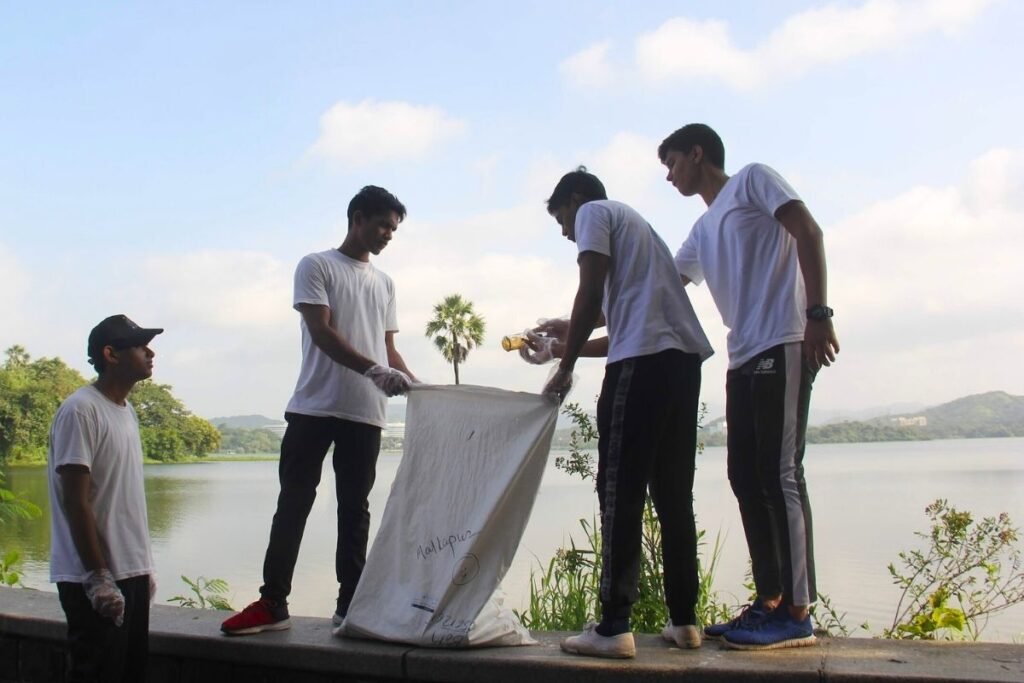
The ESG Verification Gap: India’s Market for Lemons

Sustainability has become a pricing input. Capital, procurement decisions and regulatory licence increasingly flow toward firms that look responsible on paper. But “looks responsible” and “is responsible” are different goods sold at the same counter, and the buyer cannot reliably tell them apart. When capital cannot distinguish a genuinely low-carbon operation from a well-narrated one, it will not pay a premium it cannot verify. The firm that spends real money on real performance then competes on equal terms with the firm that spends a fraction of it on language.

Read More »
BRSR Value Chain Disclosure 2026: The Supplier ESG Gap

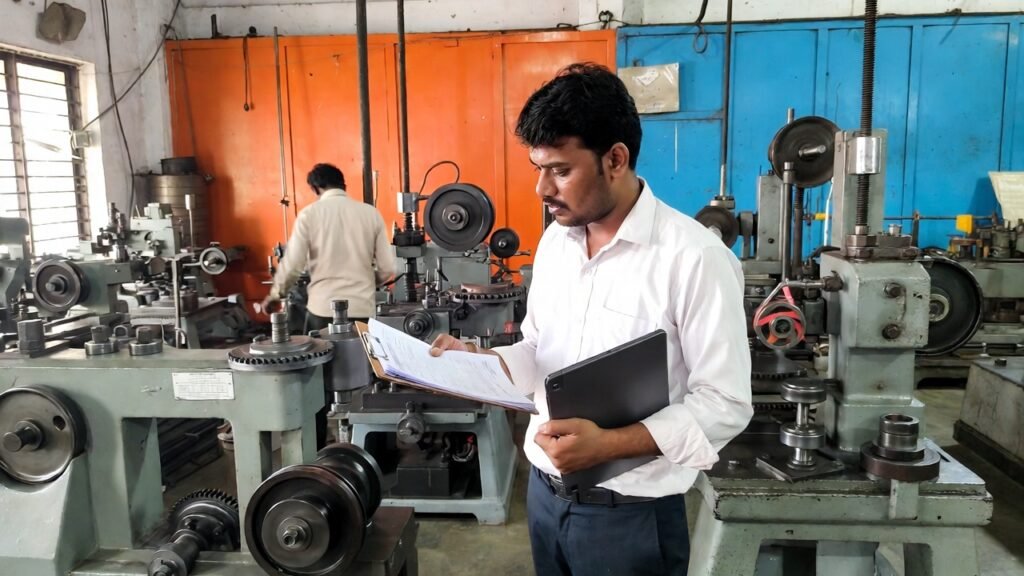
BRSR Value Chain Disclosure 2026

From FY2026, the top 1,000 listed companies in India are required to report Environmental, Social and Governance (ESG) data for their value chains, not only for their own operations. The Securities and Exchange Board of India (SEBI) framework extends Business Responsibility and Sustainability Reporting (BRSR) to every supplier and customer that accounts for 2% or more of a company’s procurement or sales, scaling up to 75% of the value chain. Third-party assessment or assurance on that data follows in FY2026-27. This is the single largest expansion of BRSR value chain disclosure India has undertaken.

Read More »
Rajesh Exports Limited ESG BRSR Consulting Advisory SEBI Earth5R Mumbai India

Rajesh Exports and the Governance Half of ESG

n June 2026, the gold and jewellery company Rajesh Exports became the subject of one of the largest alleged revenue-misstatement matters in Indian capital-market history, putting the Rajesh Exports ESG profile under fresh scrutiny. For ESG and risk professionals, the more useful question is not what the regulator found. It is why the warning signs were sitting in plain sight, in public disclosure, long before anyone looked. This is an analysis of that question, and of what disclosure integrity can tell an investor, a lender, a board, or an advisory team before a problem becomes material.

Read More »
Saurabh-Gupta-founder-Earth5R-training-citizens-on-waste-segregation-and-composting-demonstration

SWM Rules 2026: India’s Four-Stream Waste Segregation Shift

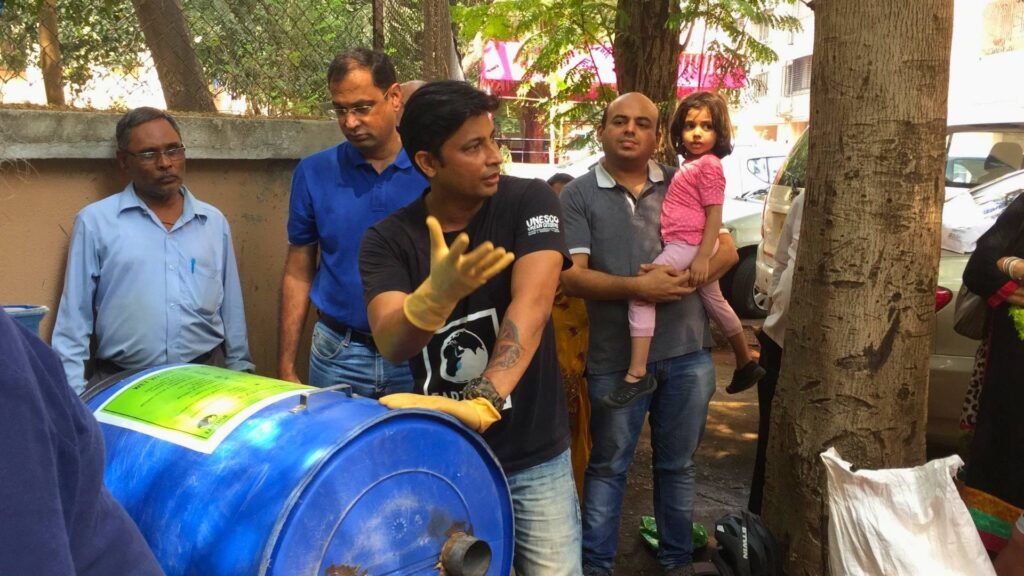
The Solid Waste Management Rules, 2026, notified under the Environment (Protection) Act, 1986, supersede the SWM Rules of 2016 and take effect from April 1, 2026. The previous framework introduced source segregation and extended producer responsibility (EPR) as concepts, but compliance remained inconsistent. Urban local bodies (ULBs) bore near-total responsibility while waste generators faced minimal enforcement. According to peer-reviewed research published in the Royal Society, only about a quarter of India’s 4,000+ waste processing facilities operated at full capacity under the old rules.

Read More »
ESG Climate Risk Banking sector Sustainability Integrated SBTi SDG BRSR Reporting Earth5R India

Indian Banks and ESG Climate Risk: The Question They Cannot Answer Yet!

Indian banks climate risk readiness is alarmingly low. Last week, Earth5R’s ESG Intelligence team assessed the climate risk readiness of 30+ major Indian banks. The question was simple: if RBI’s climate risk disclosure framework were enforced today, how many banks could comply?

The findings were striking. Only 3 banks had disclosed any information on financed emissions. Only 2 had a formal coal exclusion policy. Only 13 had attempted any form of climate scenario analysis. And 28 remained completely silent on how their loan books contribute to climate change.

Read More »
Stay Informed

Research That Drives
Real-World Impact

Every article in EarthJournal is backed by field data from Earth5R's 65-country deployment network. Explore the platform or get in touch for enterprise ESG solutions.

Free initial consultation Commercially auditable results Enterprise-grade platform