
AI internship fellowship
This AI internship gives you Earth5R’s real field data to train and test machine learning models, with a mentor who reviews your work at each step. You build simple models that sort waste images or flag pollution hotspots, then measure how well they work and write up what you find.
For school and university students who want to build and test machine learning models on real environmental data. Online, with field work near where you live. The fellowship is paid because every fellow receives time and attention from senior researchers and leaders.
Why AI matters for sustainability
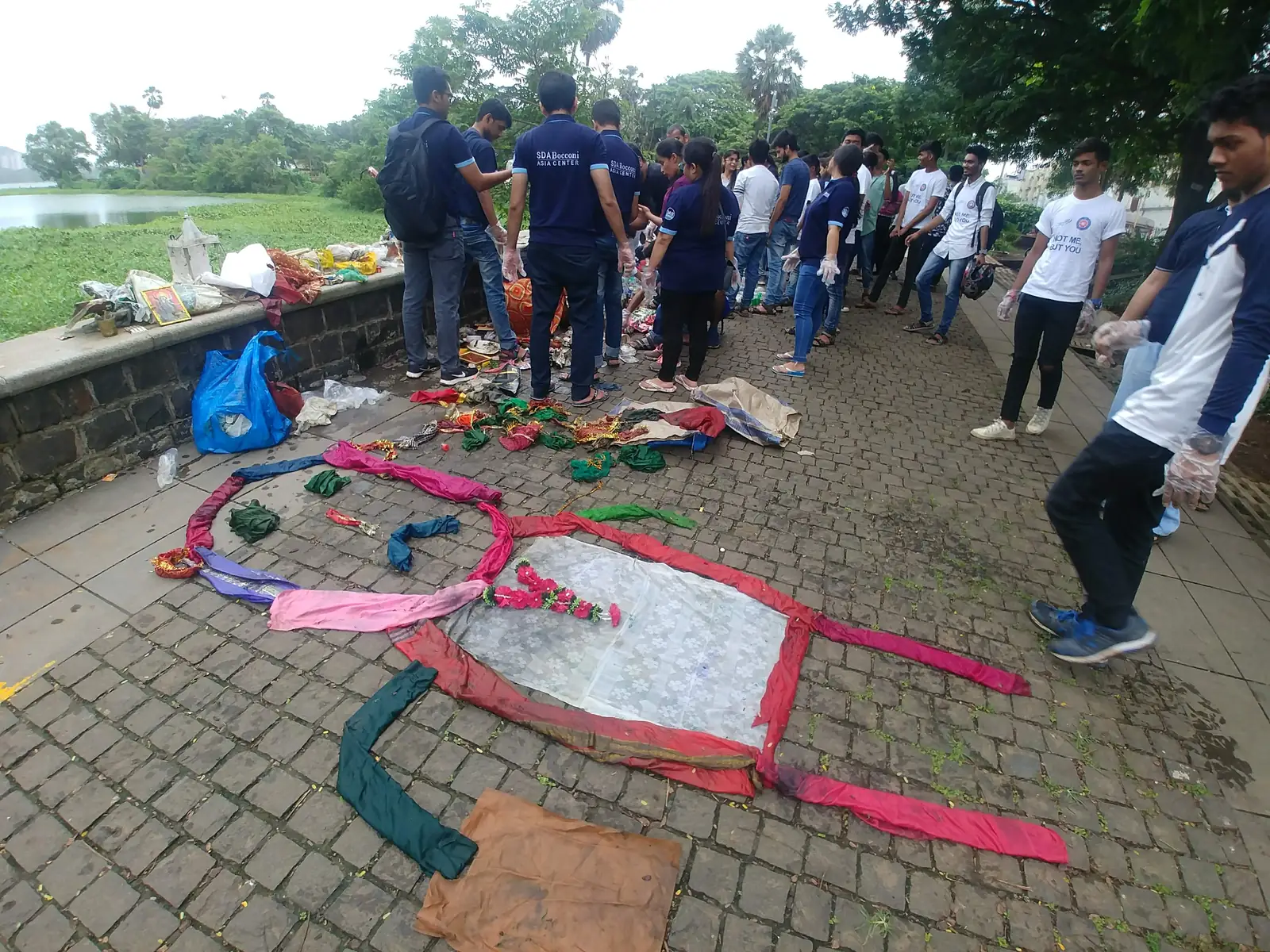
Many environmental problems produce more data than people can check by hand. Cleanups generate piles of photos, and air quality monitors log new readings all day. Machine learning can sort those images and flag readings that look unusual, so people know where to look first. A model is only useful when someone tests it against real cases and explains where it fails.
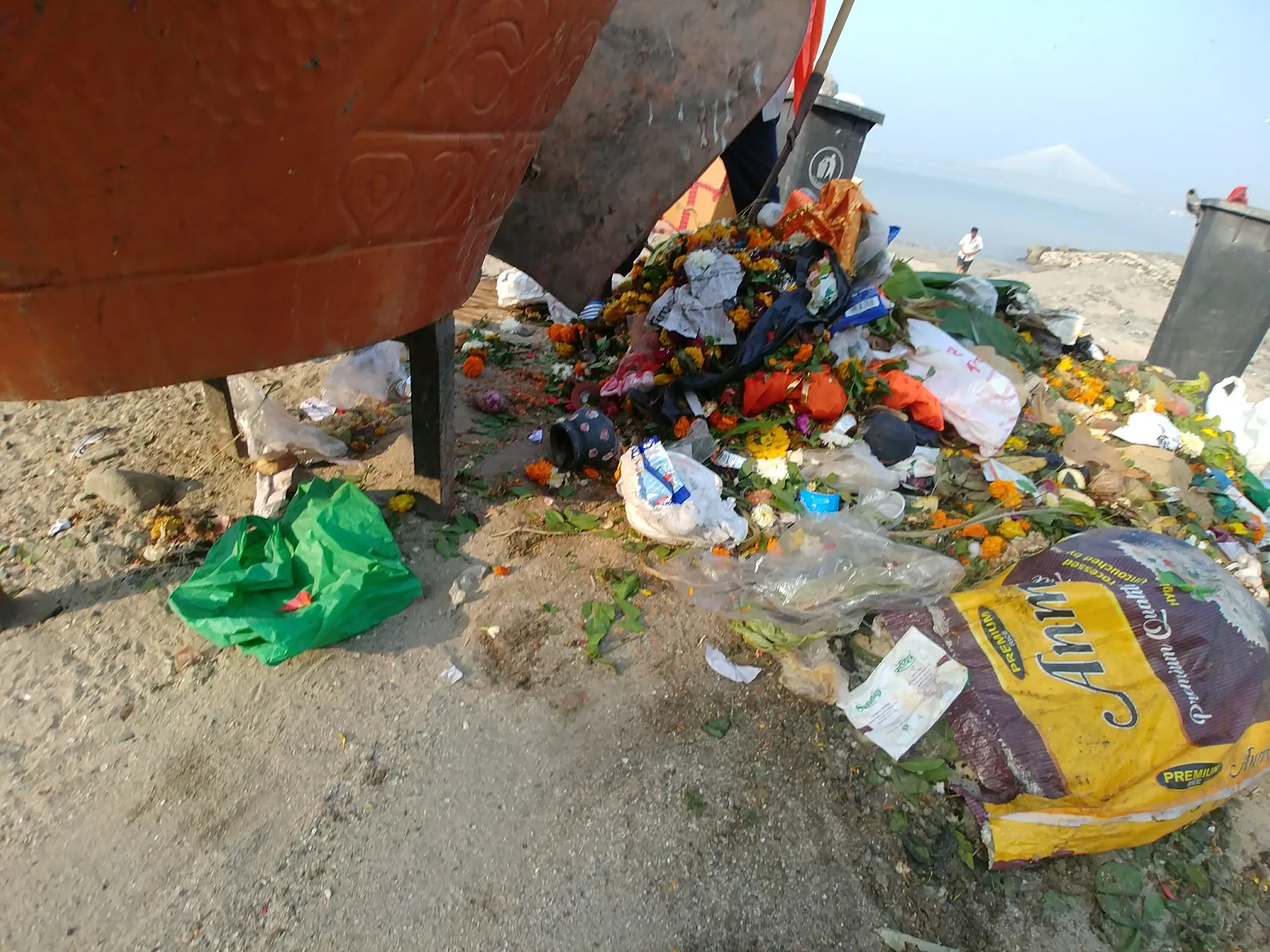
Earth5R works in 150+ Indian cities, and its app records photographed, geo-tagged field data from waste audits, cleanups, tree plantations and household surveys. That gives you real photos, each tied to a place on a map. Earth5R’s TERRA Score work checks what 1,200+ companies listed in India report against field data. As a fellow you build and test models on data like this, and your mentor checks that your results hold up.
This work links to the UN Sustainable Development Goals: Goal 9, Industry, innovation and infrastructure and Goal 12, Responsible consumption and production.
Available projects in the AI internship fellowship
You join Earth5R’s live work through your own subject. Your mentor shapes the final project with you.
Waste image classifier
Train a simple model to sort photos from waste audits into categories such as plastic, glass and paper, then test it on new photos and report its errors.
Pollution hotspot finder
Use geo-tagged cleanup records and public air quality data to find places where waste or pollution keeps returning, and check whether your model’s predictions match what volunteers find.
Reading company reports with AI
Use language models to pull environmental claims out of company sustainability reports for the TERRA Score work, with company names masked, and measure how often the extraction is right.
Model test in a new city
Take a model you built, test it on data from a different city or season, and write a short report on where it fails and why that matters for the people using it.
What you do in the field
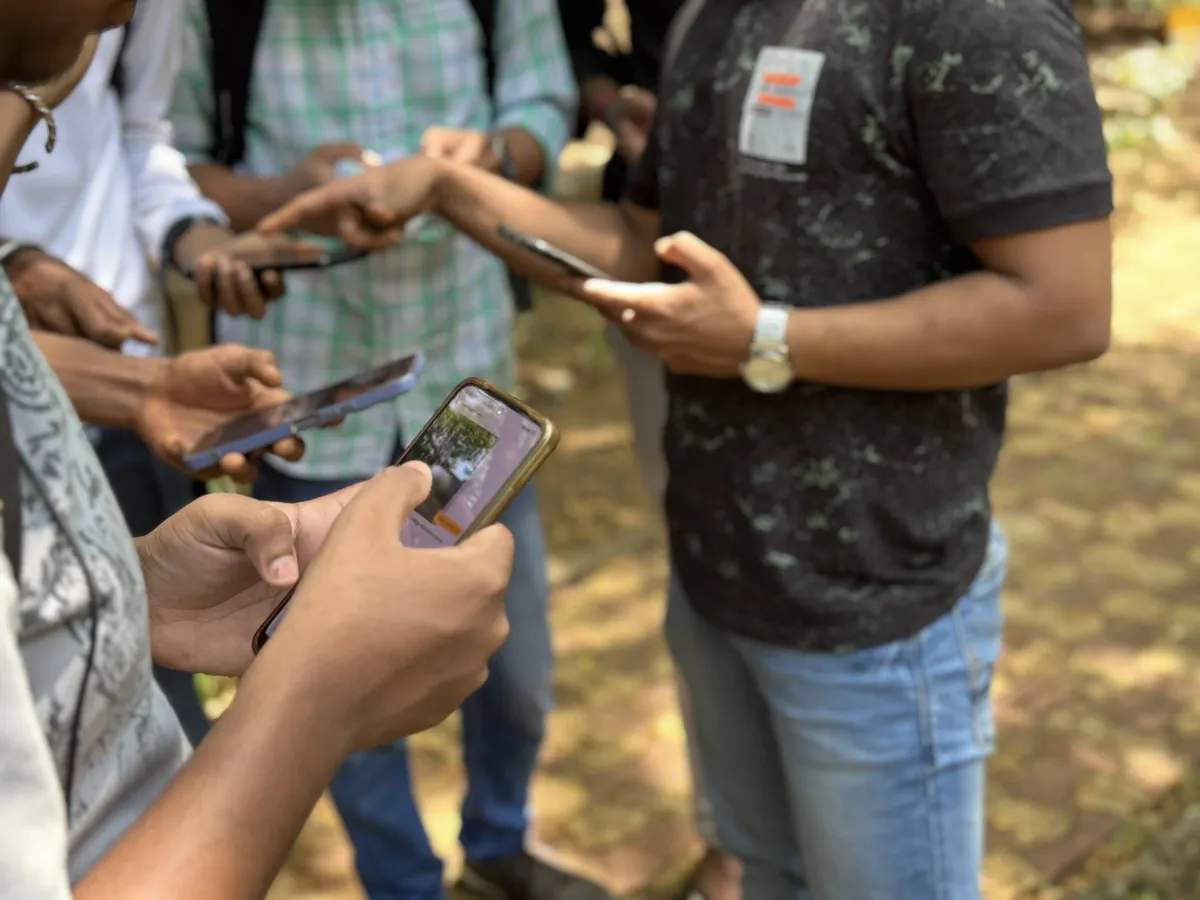
- Collect and photograph field data with the Earth5R app, so you know how your training data was made
- Clean and label images and records, and keep a log of every choice
- Train simple models in Python, starting from tested open-source tools
- Hold back test data and measure accuracy, errors and bias
- Write up your method, results and the limits of your model
- Explain your model in a research conversation and answer questions from experts
Skills you build
On a AI internship, you collect your own data near where you live, using the Earth5R app and data forms. Earth5R checks the data on its platform before it goes into your project report.
How the AI internship fellowship works
Every fellow moves through four phases. Each phase is checked by your mentor before you move on.
Observe and Map
Go into the field near where you live and collect primary data for your project in Computer Science and AI.
Frame and Design
Find the root cause in your data and frame a problem worth solving, with your mentor.
Model
Build a working model, analysis or design for your solution, and test it.
Build and Deploy
Put your solution to work, measure the result and publish a verified record on earth5r.org.
Along the way you take part in research conversations with professors at MIT, Oxford, Cambridge, LSE and other universities, and ask your own questions. See how FIELDWORK works.
Where this can take you
Degrees this work supports
- BTech or BSc in Computer Science
- BTech in Artificial Intelligence and Machine Learning
- MSc in Artificial Intelligence or Machine Learning
- MS in Computer Science with an AI focus
- PhD in AI for climate or environmental science
Careers in this field
- Machine learning engineer
- AI researcher
- Computer vision engineer
- Data scientist at a climate technology company
- Applied scientist in a research lab
Universities known for Computer Science and AI
Strong AI programmes look for applicants who have built a model, tested it with care and can explain why it fails on some cases. A fellowship project gives you a working model on real data, a test report your mentor reviewed and a public record of the work on earth5r.org. Students use a AI internship to build a record of real work for applications to universities like these.
Massachusetts Institute of Technology (MIT)
USA · Department of Electrical Engineering and Computer Science (EECS)
MIT’s Department of Electrical Engineering and Computer Science reports jointly to the MIT Schwarzman College of Computing and the School of Engineering. Its undergraduate majors include Computer Science and Engineering (6-3) and Artificial Intelligence and Decision Making (6-4), and it runs the MEng and graduate programmes. Research areas cover machine learning, robotics, natural language processing, AI and society, and energy.
USA · Computer Science Department
Stanford’s Computer Science Department offers a Bachelor of Science and a minor for undergraduates, and Master’s and PhD degrees for graduate students. Its research covers AI, robotics, human-computer interaction and scientific computing. The Stanford Artificial Intelligence Laboratory (SAIL) brings together AI research, teaching, theory and practice.
Carnegie Mellon University (CMU)
USA · Kenneth C. Griffin School of Computer Science (SCS)
Carnegie Mellon’s Kenneth C. Griffin School of Computer Science teaches undergraduate, master’s and doctoral programmes across seven departments. These include the Machine Learning Department, the Robotics Institute, the Language Technologies Institute and the Human-Computer Interaction Institute. Other departments cover computer science, computational biology, and software and societal systems.
University of California, Berkeley (UC Berkeley)
USA · Department of Electrical Engineering and Computer Sciences (EECS)
Berkeley EECS teaches undergraduate and graduate programmes across electrical engineering and computer sciences. Among its research centres, the Berkeley Artificial Intelligence Research Lab (BAIR) brings together work on computer vision, machine learning, natural language processing, planning and robotics. Another, the Center for Energy Efficient Electronics Science, works on reducing energy use in electronic systems.
UK · Department of Computer Science
Undergraduates in Oxford’s Department of Computer Science can take degrees in Computer Science, Maths and Computer Science, and Computer Science and Philosophy. Graduate options include the MSc in Advanced Computer Science and part-time MSc programmes for professionals. Research themes include artificial intelligence and machine learning, computational biology and health informatics, human centred computing, quantum and security.
UK · Department of Computer Science and Technology
At Cambridge, the Department of Computer Science and Technology teaches undergraduate and postgraduate computer science. Its research themes include machine learning and artificial intelligence, natural language processing, and mobile systems, robotics and automation. The Energy and Environment Group applies computer science to renewable energy, energy demand reduction and environmental impacts such as climate change, biodiversity loss and deforestation.
UK · School of Informatics
The School of Informatics at Edinburgh teaches undergraduate, taught postgraduate and PhD programmes. Research runs through institutes such as the Artificial Intelligence and its Applications Institute, the Institute for Machine Learning, the Institute for Language, Cognition & Computation and the Institute of Perception, Action & Behaviour. Its Centres for Doctoral Training include natural language processing and robotics.
Switzerland · Department of Computer Science (D-INFK)
ETH’s Department of Computer Science offers bachelor’s, master’s and doctoral study. Its research areas include data management and machine learning, visual computing, intelligent interactive systems and physical computing, and information and system security. Researchers also connect through the ETH AI Center, which brings together AI work from all ETH departments.
Canada · Department of Computer Science
Toronto’s Department of Computer Science offers undergraduate programmes and graduate study at MSc and PhD level. Research areas include artificial intelligence, robotics, human-computer interaction, computational social science and computational biomedicine. Sustainability informatics also appears among the department’s listed research areas.
National University of Singapore (NUS)
Singapore · School of Computing (NUS Computing)
NUS Computing has two departments, Computer Science and Information Systems and Analytics. Undergraduate degrees include Artificial Intelligence, Computer Science, Computer Engineering, Information Security and Geospatial Intelligence, and graduate options include the Master of Computing in Artificial Intelligence and PhDs. The school also runs the Centre for Computing for Social Good and Philanthropy.
This list is for guidance. These universities are widely known for Computer Science and AI. Earth5R has no admissions arrangement with them, and admission decisions rest with each university. Fellows get help researching universities, scholarships and applications, depending on the programme.
What your fellowship fee pays for
An internship fellowship at Earth5R is time and attention from senior researchers and leaders. Each part below takes staff time and resources that we set aside for every fellow.
Live mentoring with experts
One-to-one mentoring in most fellowships, with regular check-ins on your project.
Dialogues with global researchers
Academics from international universities and renowned scientists, who answer your questions and discuss your work.
Support in the field
Guidance while you collect data and work on your project in the field.
References for your next step
References when you apply for jobs, higher studies and research programmes.
Your work, hosted for life
Your work and data stay on Earth5R’s website and servers for life, where universities and employers can check them.
Time from senior people
Each fellow receives time and attention from senior researchers and leaders, set aside for them.
Fee details available on request.
Choose your fellowship
The fee pays for live mentoring, dialogues with global researchers, support in the field, references and lifelong hosting of your work. Fee details available on request.
AI internship: common questions
Do I need coding experience for this AI internship?
No. Beginners start with no-code tools and simple Python, and build up with their mentor. Students who already code train their own models in Python and work on larger image or text datasets.
What kind of AI models will I build?
Mostly small, practical models, such as image classifiers for waste photos or models that flag pollution hotspots. The focus is on testing them properly on real data and explaining the results, so others can trust and reuse your work.
Can an AI internship help with a Master’s in AI?
It gives you a tested model, a written report and a verified profile on earth5r.org, which you can describe in your statement of purpose. Each university makes its own admission decisions.
Is the AI internship fellowship paid?
Yes. It is a paid, mentored internship fellowship. The fee pays for live mentoring, dialogues with global researchers, support in the field, references and lifelong hosting of your work. Fee details are available on request.
Can I do this AI internship online?
Yes. FIELDWORK runs online, and your field work takes place near where you live. Your mentor guides you through each step.
Who can apply?
School and university students from India and other countries. The fellowship prepares you for university, postgraduate study and work.
What do I get at the end?
A certificate, a letter of recommendation, a project report and a verified profile on earth5r.org, where universities and employers can check your work.
Related internship fellowships
Apply for the AI internship fellowship
Work on a live Earth5R project in Computer Science and AI with a mentor, take part in research conversations with global researchers, and build a verified record of your work. Fee details available on request.