Journalism internship fellowship
This journalism internship has you report environmental stories from the field, with a mentor who edits your drafts and checks your facts with you. You interview residents and waste workers near you, test what you hear against field data, and help publish Earth5R’s research conversations with professors.
For school and university students who want to report on the environment and build a set of edited stories. Online, with field work near where you live. The fellowship is paid because every fellow receives time and attention from senior researchers and leaders.
Why journalism matters for sustainability
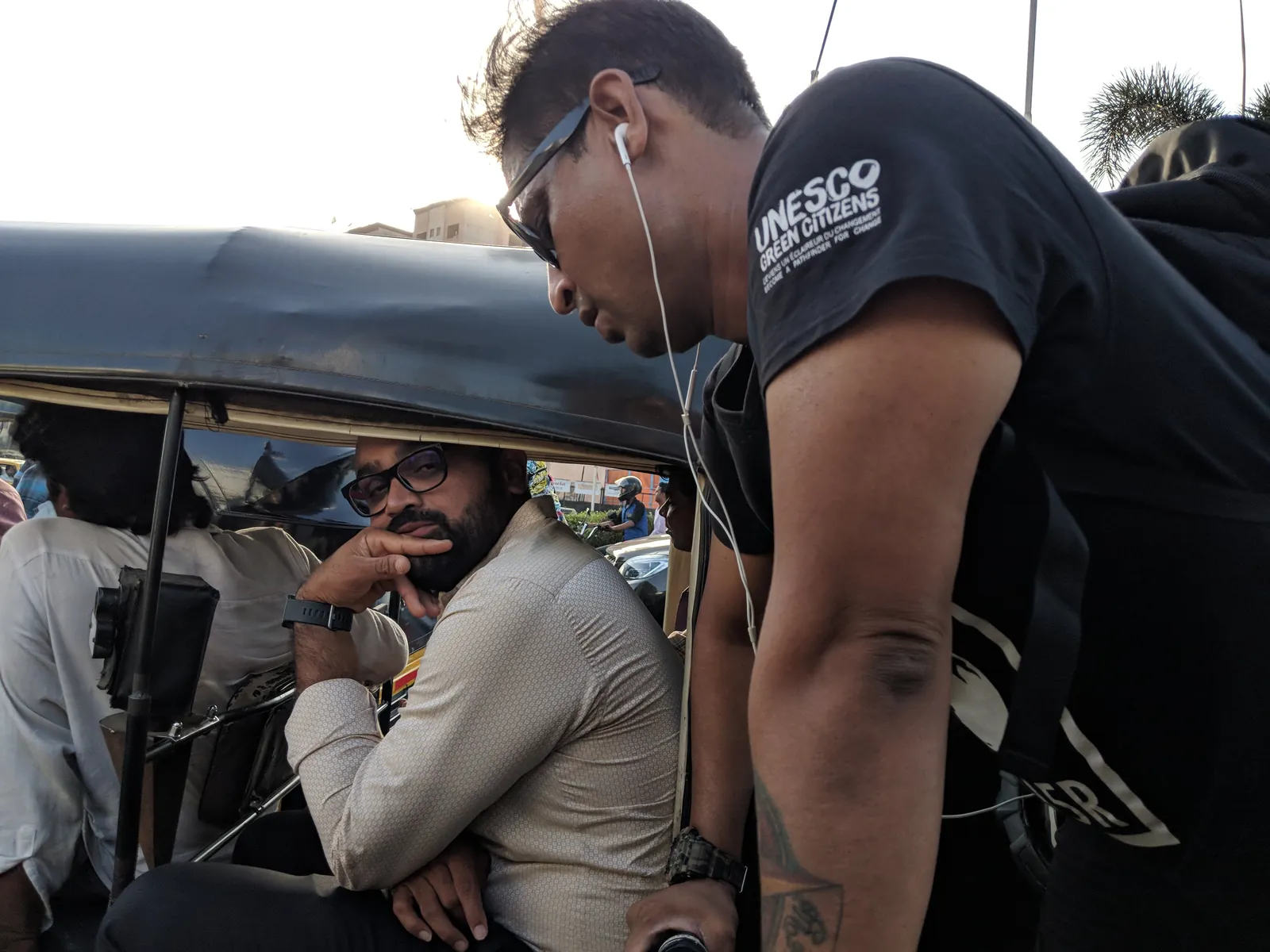
People and governments act on what they know, and much of their knowledge about the environment comes from reporting. A good story shows who is affected by a polluted river or a missed waste collection, and it checks official claims against what is on the ground. Climate and environment reporting needs journalists who can read data and explain science in plain words.
Earth5R works in 150+ Indian cities. Its field work includes lake and river cleanups in Mumbai, Pune and Delhi, door-to-door household surveys and street hackathons where citizens propose climate solutions. Its TERRA Score work tests the claims of 1,200+ companies listed in India against field data. As a fellow you report from this work and check each story against the data behind it.
This work links to the UN Sustainable Development Goals: Goal 13, Climate action and Goal 16, Peace, justice and strong institutions.
Available projects in the journalism internship fellowship
You join Earth5R’s live work through your own subject. Your mentor shapes the final project with you.
A river or lake story
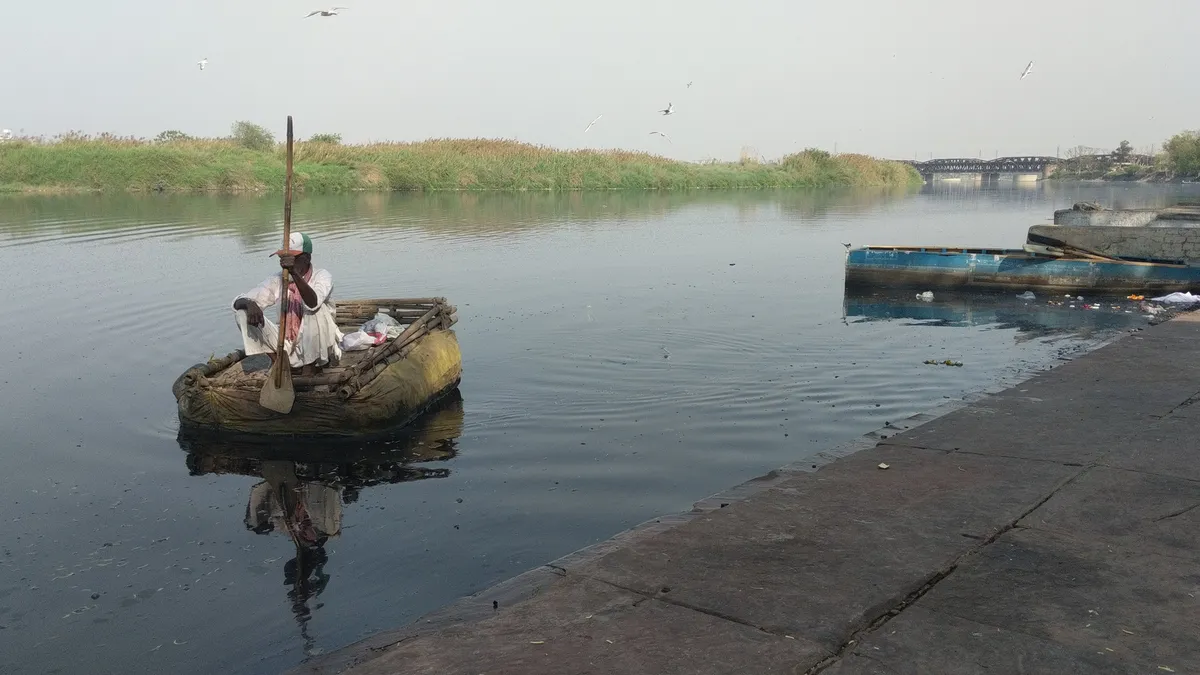
Report a story on a river, lake or beach near you, using interviews with residents and waste workers along with waste audit data you collect at a cleanup.
Checking company claims
Compare what a company says about waste or water in its sustainability report with field data, using the TERRA Score method, and write it up as an explainer with the company name masked.
Research conversation write-ups
Help prepare and publish write-ups of research conversations with professors, turning a long conversation into a clear article in which every fact and quote is checked.
Community voices on climate
Record what citizens say at a street hackathon or during a household survey, and write a feature on one local climate solution that residents proposed and what it would take to try it.
What you do in the field
- Find story ideas in the field and pitch them to your mentor
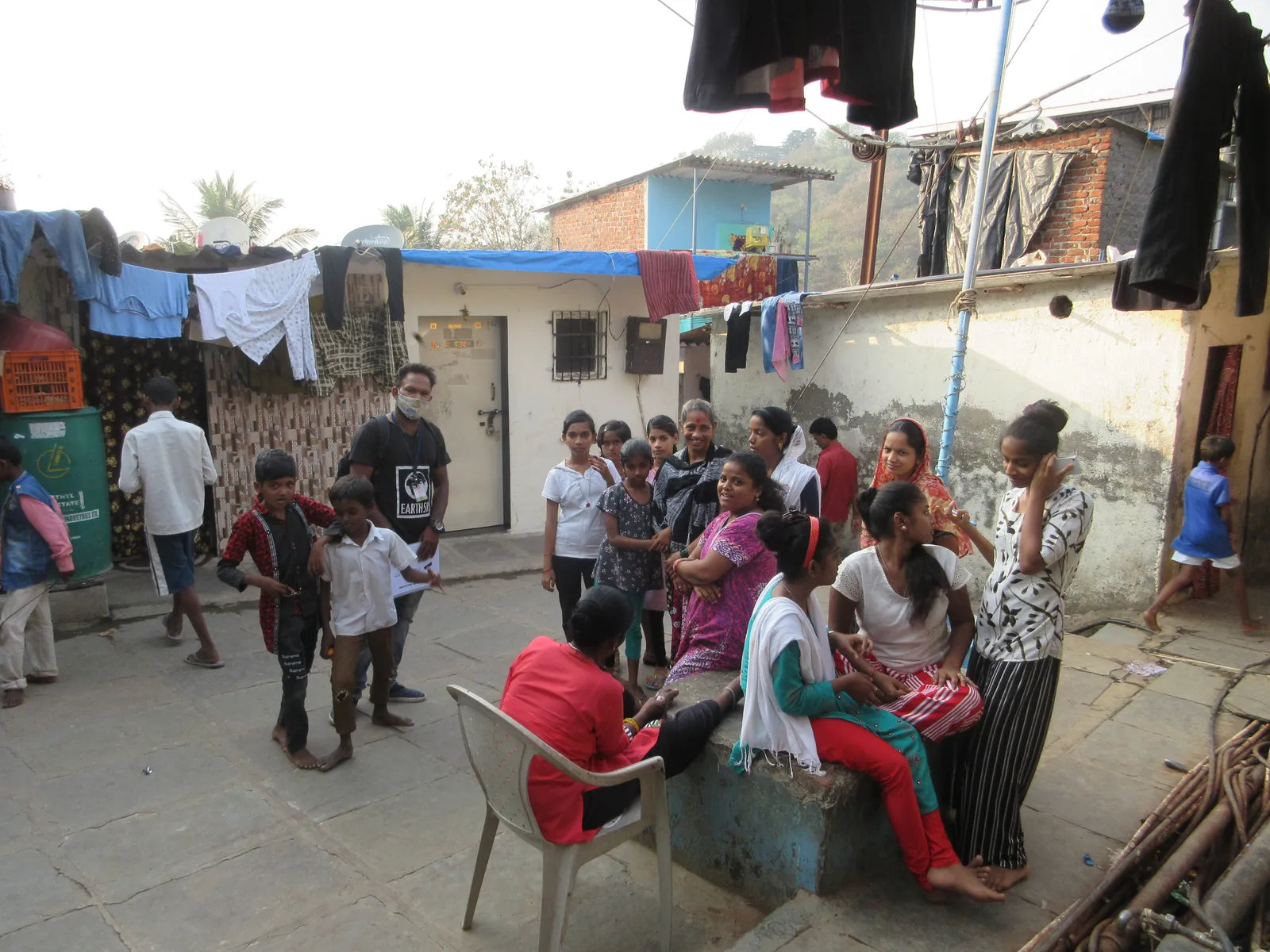
- Interview residents, workers and experts, with their consent
- Check every fact and figure against field data or documents
- Write drafts and revise them after your mentor’s edits
- Take photos to go with your stories
- Help publish research conversations with professors
Skills you build
On a journalism internship, you collect your own data near where you live, using the Earth5R app and data forms. Earth5R checks the data on its platform before it goes into your project report.
How the journalism internship fellowship works
Every fellow moves through four phases. Each phase is checked by your mentor before you move on.
Observe and Map
Go into the field near where you live and collect primary data for your project in Journalism and Mass Communication.
Frame and Design
Find the root cause in your data and frame a problem worth solving, with your mentor.
Model
Build a working model, analysis or design for your solution, and test it.
Build and Deploy
Put your solution to work, measure the result and publish a verified record on earth5r.org.
Along the way you take part in research conversations with professors at MIT, Oxford, Cambridge, LSE and other universities, and ask your own questions. See how FIELDWORK works.
Where this can take you
Degrees this work supports
- BA in Journalism and Mass Communication (BJMC)
- BA in English, Political Science or Economics
- Master’s in Journalism (MA or MS)
- MA in Mass Communication or Media Studies
- MSc in Science Communication
Careers in this field
- Reporter or correspondent
- Environment and climate journalist
- Editor or sub-editor
- Fact-checker or data journalist
- Communications officer at a research organisation
Universities known for Journalism and Mass Communication
Strong journalism programmes look for applicants who have reported real stories and can show clear, accurate writing. A fellowship project gives you reported pieces your mentor edited and a public record of the work. Students use a journalism internship to build a record of real work for applications to universities like these.
USA · Columbia Journalism School
Columbia Journalism School offers the M.S. in journalism, with documentary and investigative specialisations, an M.A. with subject concentrations, an M.S. in Data Journalism and a Ph.D. in communications. Its centres include the Tow Center for Digital Journalism, the Brown Institute for Media Innovation and the Stabile Center for Investigative Journalism.
Northwestern University (Medill)
USA · Medill School of Journalism, Media, Integrated Marketing Communications
Northwestern’s Medill School of Journalism, Media, Integrated Marketing Communications offers the Bachelor of Science in Journalism, the Master of Science in Journalism and a PhD, along with marketing communications degrees. Undergraduates can take a Journalism Residency, and the school runs the Medill Local News Initiative, the Knight Lab and investigative reporting programmes.
USA · Missouri School of Journalism
The Missouri School of Journalism teaches undergraduate degrees in journalism and strategic communication, a Master of Arts in Journalism and a Ph.D. Students work in professional newsrooms such as the Columbia Missourian. Its centres include the Donald W. Reynolds Journalism Institute and the Mississippi River Basin Ag & Water Desk, which reports on water, agriculture and the environment.
University of California, Berkeley
USA · UC Berkeley Journalism
UC Berkeley Journalism offers a two-year Master of Journalism (MJ) and a summer minor for undergraduates. Its programmes include the Investigative Reporting Program and a Climate Journalism Lab, and it runs the 11th Hour Food, Farming and Environmental Journalism Projects. The school has also launched the Forbidden Stories Lab.
City St George’s, University of London
UK · Department of Journalism, School of Communication & Creativity
City St George’s Department of Journalism is part of the School of Communication & Creativity. It teaches the Journalism BA (Hons), MAs in fields such as investigative, international, broadcast and global financial journalism, and a PhD/MPhil. Students train in digital newsrooms, a television studio and radio studios.
UK · School of Journalism, Media and Culture
Cardiff’s School of Journalism, Media and Culture offers undergraduate, postgraduate taught and research programmes, including practical master’s courses. Its research themes are journalism and democracy, digital media and society, and media, culture and creativity. Through its Centre for Community Journalism, it supports local news publishers with training, legal advice and digital resources.
London School of Economics and Political Science (LSE)
UK · Department of Media and Communications
LSE’s Department of Media and Communications teaches master’s and PhD programmes in media and communication studies. Research areas include Media Participation and Politics and Communication, Technology, Rights and Justice. The department is home to Digital Futures for Children, a joint LSE and 5Rights centre, and runs short courses on sustainability communication and international journalism.
Netherlands · Communication Science and the Amsterdam School of Communication Research (ASCoR)
UvA’s Communication Science department, in the Faculty of Social and Behavioural Sciences, offers bachelor’s and master’s programmes. Its research runs through the Amsterdam School of Communication Research (ASCoR), whose Political Communication and Journalism group studies how news is produced, how audiences use it and what effects it has.
Nanyang Technological University (NTU)
Singapore · Wee Kim Wee School of Communication and Information (WKWSCI)
NTU’s Wee Kim Wee School of Communication and Information (WKWSCI) offers the Bachelor of Communication Studies (Honours) and graduate programmes. Undergraduates can choose a Journalism & Media Policies track that covers reporting, writing, photography, video, ethics and policy. The school’s research also examines how AI and digital networks affect trust, inclusion and governance.
The University of Hong Kong (HKU)
Hong Kong · Journalism and Media Studies Centre (JMSC), School of Future Media
HKU’s Journalism and Media Studies Centre (JMSC) teaches the Bachelor of Journalism and the Master of Journalism, which includes a documentary filmmaking specialisation. Students learn video reporting, photography, podcasting and data journalism. The JMSC now forms the foundation of HKU’s new School of Future Media.
This list is for guidance. These universities are widely known for Journalism and Mass Communication. Earth5R has no admissions arrangement with them, and admission decisions rest with each university. Fellows get help researching universities, scholarships and applications, depending on the programme.
What your fellowship fee pays for
An internship fellowship at Earth5R is time and attention from senior researchers and leaders. Each part below takes staff time and resources that we set aside for every fellow.
Live mentoring with experts
One-to-one mentoring in most fellowships, with regular check-ins on your project.
Dialogues with global researchers
Academics from international universities and renowned scientists, who answer your questions and discuss your work.
Support in the field
Guidance while you collect data and work on your project in the field.
References for your next step
References when you apply for jobs, higher studies and research programmes.
Your work, hosted for life
Your work and data stay on Earth5R’s website and servers for life, where universities and employers can check them.
Time from senior people
Each fellow receives time and attention from senior researchers and leaders, set aside for them.
Fee details available on request.
Choose your fellowship
The fee pays for live mentoring, dialogues with global researchers, support in the field, references and lifelong hosting of your work. Fee details available on request.
Journalism internship: common questions
What will I write in this journalism internship?
You’ll write news stories, features and explainers from field work near you, including write-ups of research conversations with professors. Your mentor edits each draft and helps you build a set of finished pieces.
Do I need writing experience to start?
No. Many fellows start with short reports and build towards longer features. Your mentor works on accuracy and clarity with you, and students who already write for a school or college paper can take on harder stories.
Can a journalism internship help with a journalism school application?
Many journalism programmes ask for writing samples. This fellowship gives you edited stories based on your own reporting, along with a verified record on earth5r.org. Admission decisions rest with each school.
Is the journalism internship fellowship paid?
Yes. It is a paid, mentored internship fellowship. The fee pays for live mentoring, dialogues with global researchers, support in the field, references and lifelong hosting of your work. Fee details are available on request.
Can I do this journalism internship online?
Yes. FIELDWORK runs online, and your field work takes place near where you live. Your mentor guides you through each step.
Who can apply?
School and university students from India and other countries. The fellowship prepares you for university, postgraduate study and work.
What do I get at the end?
A certificate, a letter of recommendation, a project report and a verified profile on earth5r.org, where universities and employers can check your work.
Apply for the journalism internship fellowship
Work on a live Earth5R project in Journalism and Mass Communication with a mentor, take part in research conversations with global researchers, and build a verified record of your work. Fee details available on request.