Nutrition internship fellowship
This nutrition internship has you study what families eat and waste, and how their food links to climate, with a mentor who reviews your survey and analysis. You run household surveys on diet and food waste, compare meals using published research and write up practical findings for the community you study.
For school and university students interested in nutrition, dietetics or food science who want to study food in real homes. Online, with field work near where you live. The fellowship is paid because every fellow receives time and attention from senior researchers and leaders.
Why nutrition and food science matter for sustainability
Food connects health and climate in every household. Growing and cooking food uses land, water and energy, and food that’s thrown away wastes all of it. Rotting food in a landfill gives off methane, a strong greenhouse gas. Climate change also affects crops and the farmers who grow them. Nutrition and food science help people eat well on a real budget while wasting less.
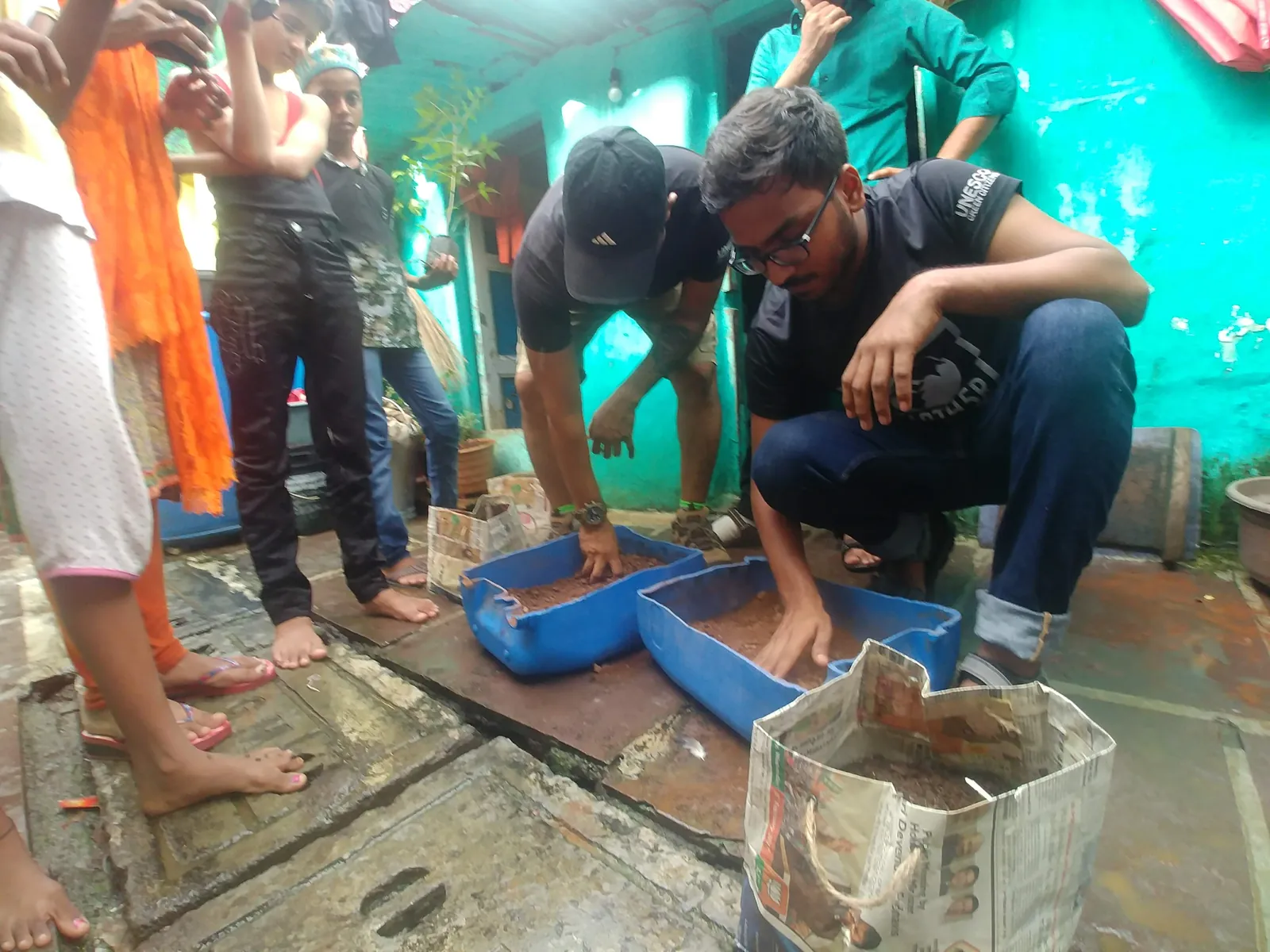
Earth5R trains housing societies on waste segregation and composting, and its zero waste societies compost wet waste in drum composters made from reused industrial containers. Its teams also run door-to-door household surveys. One of its flagship research projects, by a NASA and Columbia University scientist, studies climate change and basmati rice across the Gangetic Plain. As a fellow you connect this work to what people eat.
This work links to the UN Sustainable Development Goals: Goal 2, Zero hunger and Goal 12, Responsible consumption and production.
Available projects in the nutrition internship fellowship
You join Earth5R’s live work through your own subject. Your mentor shapes the final project with you.
Household food waste study
Weigh the food that households in a housing society throw away over a week, find which foods are wasted most and why, and suggest practical ways to cut it.
What families eat
Run a short survey on what families eat in a day, compare it with India’s published dietary guidelines, and look for gaps in protein, vegetables or iron-rich foods.
Climate footprint of a thali
Compare the climate footprint of common Indian meals using published research, from rice and wheat dishes to dals and dairy, and design lower-impact meals that stay nutritious and affordable.
From kitchen waste to compost
Track how kitchen waste moves from homes to the composting unit in a zero waste housing society, and study whether a small kitchen garden using that compost could add fresh vegetables to family meals.
What you do in the field
- Run household surveys on diet and food waste, with consent
- Weigh and record food waste over a set period
- Compare meals using published nutrition and climate data
- Visit a composting unit and see how kitchen waste is handled
- Analyse your results with simple statistics
- Write up your findings and present them in a research conversation
Skills you build
On a nutrition internship, you collect your own data near where you live, using the Earth5R app and data forms. Earth5R checks the data on its platform before it goes into your project report.
How the nutrition internship fellowship works
Every fellow moves through four phases. Each phase is checked by your mentor before you move on.
Observe and Map
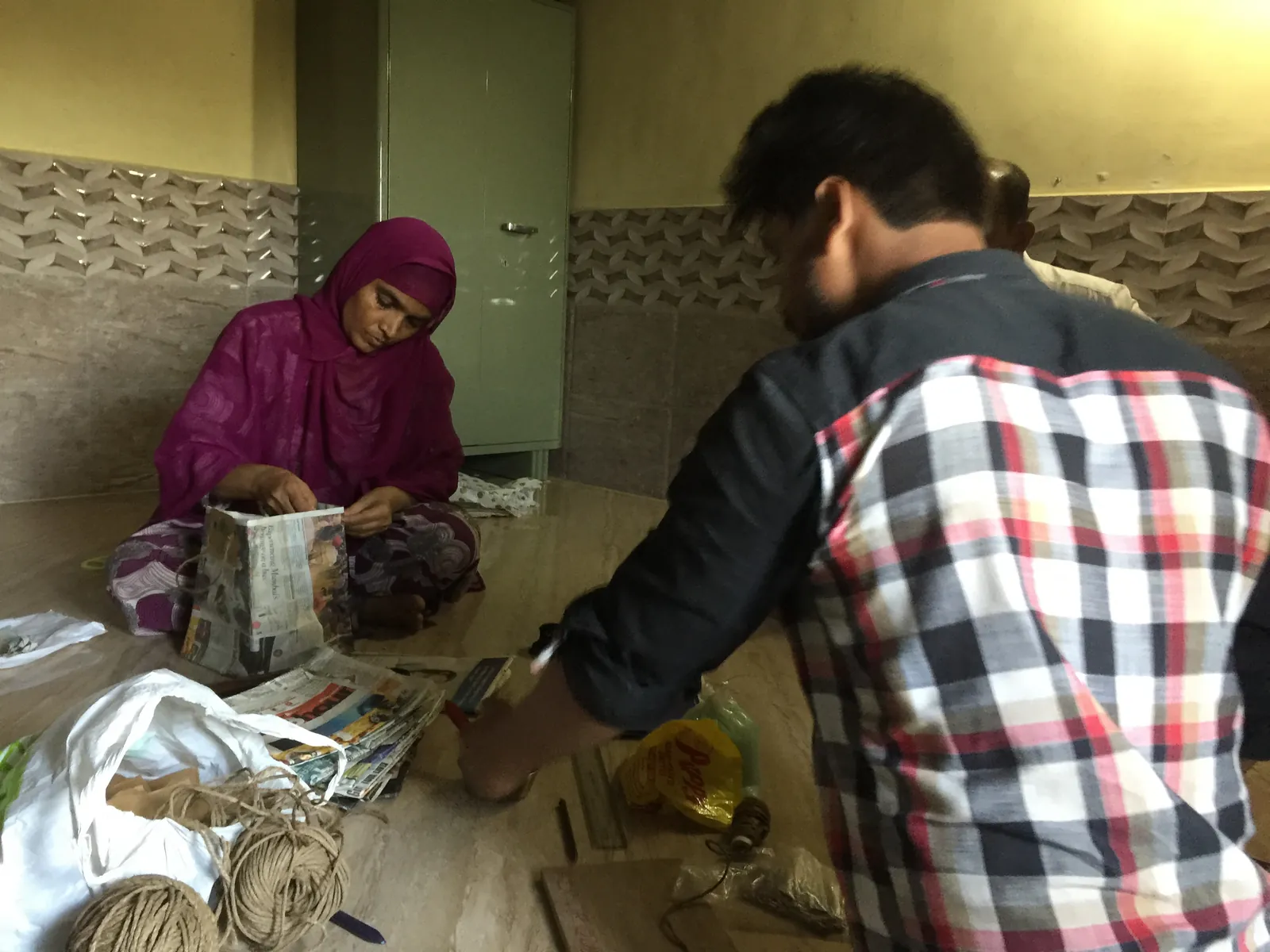
Go into the field near where you live and collect primary data for your project in Nutrition and Food Science.
Frame and Design
Find the root cause in your data and frame a problem worth solving, with your mentor.
Model
Build a working model, analysis or design for your solution, and test it.
Build and Deploy
Put your solution to work, measure the result and publish a verified record on earth5r.org.
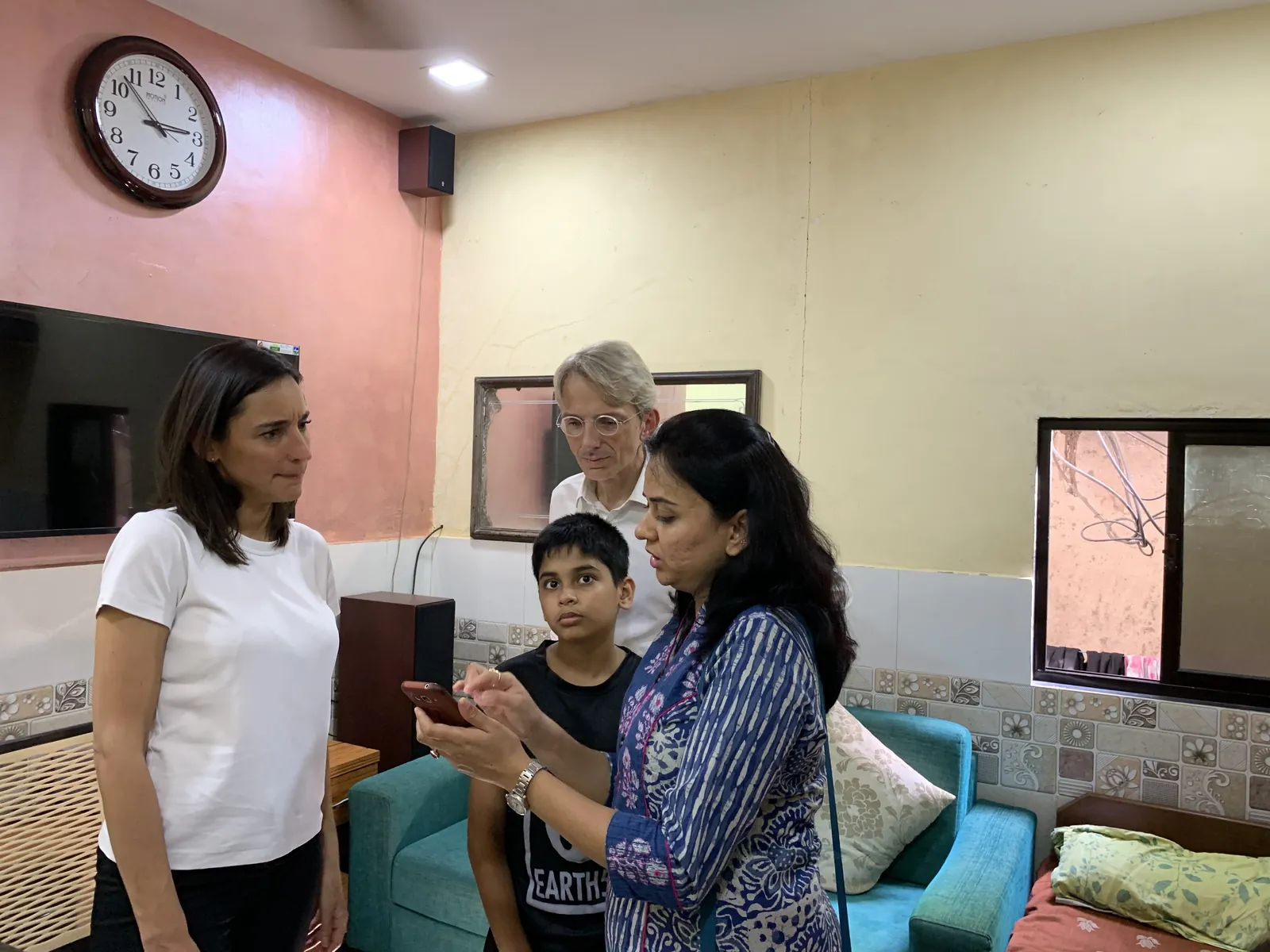
Along the way you take part in research conversations with professors at MIT, Oxford, Cambridge, LSE and other universities, and ask your own questions. See how FIELDWORK works.
Where this can take you
Degrees this work supports
- BSc in Food Science and Nutrition
- BSc in Dietetics or Home Science
- BTech in Food Technology
- MSc in Nutrition or Public Health Nutrition
- MSc in Sustainable Food Systems
Careers in this field
- Nutritionist or dietitian
- Public health nutrition officer
- Food scientist or food technologist
- Sustainability analyst at a food company
- Food systems researcher
Universities known for Nutrition and Food Science
Strong nutrition and food science programmes look for applicants with a sound grounding in science and an interest in how people eat in daily life. A fellowship project gives you survey work with real households, an analysis your mentor reviewed and a public record of the study. Students use a nutrition internship to build a record of real work for applications to universities like these.
Wageningen University & Research
Netherlands · Division of Human Nutrition and Health
Wageningen’s Division of Human Nutrition and Health brings together five chair groups to study nutrition at cellular, individual and population levels. The Global Nutrition group works on nutrients, dietary patterns and food systems with a physiological and environmental focus. Other groups cover nutrition and disease, nutritional biology, metabolism and genomics, and sensory science and eating behaviour.
USA · Friedman School of Nutrition Science and Policy
The Friedman School of Nutrition Science and Policy offers on-campus and online Master of Science degrees in nutrition, with specialisations such as Agriculture, Food, and Environment. Its centres include the Feinstein International Center, which works on hunger, famine and humanitarian crises, and the Food is Medicine Institute. A joint master’s in applied AI for food and nutrition is also offered.
USA · Division of Nutritional Sciences
Cornell’s Division of Nutritional Sciences works across the chemical, biomedical, social and behavioural sciences on nutrition problems facing people and communities. It offers interdisciplinary undergraduate majors, a research master’s and a PhD in the graduate field of nutrition, and a dietetic internship. The Joan Klein Jacobs Center for Precision Nutrition and Health links individual guidance to population policy.
University of California, Davis (UC Davis)
USA · Department of Nutrition
UC Davis’s Department of Nutrition offers undergraduate majors in Clinical Nutrition and Nutrition Science, a Master of Advanced Study in Maternal and Child Nutrition, and graduate degrees in nutritional biology. Research covers precision nutrition, the gut microbiome, food fortification, food systems and global and community nutrition. Related centres include the Institute for Global Nutrition.
UK · Department of Nutritional Sciences
King’s Department of Nutritional Sciences studies how diet affects health, under three themes, namely molecular and cellular nutrition, diet and phenotype, and public health and global nutrition. Current work examines food processing, including ultra-processed foods and ways to release the iron and zinc in staple cereals. Its accredited programmes train nutritionists and dietitians.
London School of Hygiene and Tropical Medicine (LSHTM)
UK · Nutrition Group
The LSHTM Nutrition Group researches and teaches on nutrition and food problems at national and global level. Its work covers undernutrition, the triple burden of malnutrition, and food systems that improve health and reduce environmental impact, including climate resilience. The group runs the MSc Nutrition for Global Health, accredited by the Association for Nutrition.
UK · Department of Food and Nutritional Sciences
Reading’s Department of Food and Nutritional Sciences, part of the School of Chemistry, Food & Pharmacy, offers undergraduate, master’s and PhD study. Its Hugh Sinclair Human Nutrition Research Group studies links between diet and chronic diseases such as heart disease and diabetes. Sustainability work covers sustainable processing, functional foods and the reduction and reuse of food waste.
Denmark · Department of Nutrition, Exercise and Sports (NEXS)
Copenhagen’s Department of Nutrition, Exercise and Sports researches and teaches nutritional and movement sciences for human health and performance. It offers English-taught MSc programmes such as Human Nutrition and Food Innovation and Health, a Danish BSc in Food Science and Nutrition, and a PhD. Its Nutrition and Health section carries out the nutrition research.
Canada · School of Human Nutrition
McGill’s School of Human Nutrition offers Dietetics and Nutrition majors and a concurrent degree in food science and nutritional sciences, plus MSc and PhD study. Research themes include Indigenous Peoples’ nutrition and food security, food security in developing countries, gene and nutrient interactions, and nutrition therapy for patients.
National University of Singapore (NUS)
Singapore · Department of Food Science and Technology
At NUS, the Department of Food Science and Technology teaches an undergraduate food science degree, second majors and a minor in nutrition, and an MSc in Food Science and Human Nutrition. Research groups include human nutrition, food microbiology and safety, and food processing and engineering. The department is linked to the Bezos Centre for Sustainable Protein.
This list is for guidance. These universities are widely known for Nutrition and Food Science. Earth5R has no admissions arrangement with them, and admission decisions rest with each university. Fellows get help researching universities, scholarships and applications, depending on the programme.
What your fellowship fee pays for
An internship fellowship at Earth5R is time and attention from senior researchers and leaders. Each part below takes staff time and resources that we set aside for every fellow.
Live mentoring with experts
One-to-one mentoring in most fellowships, with regular check-ins on your project.
Dialogues with global researchers
Academics from international universities and renowned scientists, who answer your questions and discuss your work.
Support in the field
Guidance while you collect data and work on your project in the field.
References for your next step
References when you apply for jobs, higher studies and research programmes.
Your work, hosted for life
Your work and data stay on Earth5R’s website and servers for life, where universities and employers can check them.
Time from senior people
Each fellow receives time and attention from senior researchers and leaders, set aside for them.
Fee details available on request.
Choose your fellowship
The fee pays for live mentoring, dialogues with global researchers, support in the field, references and lifelong hosting of your work. Fee details available on request.
Nutrition internship: common questions
Is this nutrition internship suitable for students who want to study dietetics?
Yes. You learn to survey diets and turn nutrition data into practical advice, both core parts of dietetics. Students heading towards food science can focus more on food waste and how food is stored and processed.
Will I give diet advice to people?
You’ll share general findings and practical tips with the community you study, after your mentor reviews them. Personal diet advice for a medical condition needs a qualified dietitian, so your project stays with patterns across households.
Can a nutrition internship help with a nutrition or food science degree application?
It gives you a real study with survey data, analysis and a reviewed report to describe in your statement and interviews, along with a verified record on earth5r.org. Admission decisions rest with each university.
Is the nutrition internship fellowship paid?
Yes. It is a paid, mentored internship fellowship. The fee pays for live mentoring, dialogues with global researchers, support in the field, references and lifelong hosting of your work. Fee details are available on request.
Can I do this nutrition internship online?
Yes. FIELDWORK runs online, and your field work takes place near where you live. Your mentor guides you through each step.
Who can apply?
School and university students from India and other countries. The fellowship prepares you for university, postgraduate study and work.
What do I get at the end?
A certificate, a letter of recommendation, a project report and a verified profile on earth5r.org, where universities and employers can check your work.
Related internship fellowships
Apply for the nutrition internship fellowship
Work on a live Earth5R project in Nutrition and Food Science with a mentor, take part in research conversations with global researchers, and build a verified record of your work. Fee details available on request.