High school teaching internship and research fellowship
This high school teaching internship lets students in Grades 9 to 12 plan and run short sustainability lessons for younger children, with a mentor who reviews every lesson plan. You try each lesson with a class or group near you, check what the children remember and improve your lessons from the results.
For school students who enjoy explaining ideas, in subjects such as IB ESS, Biology or Geography, and who are thinking about teaching or education. Online, with field work near home and a parent or guardian present at every self-guided activity. The fellowship is paid because every student receives time and attention from senior researchers and leaders.
Why teaching matters for sustainability
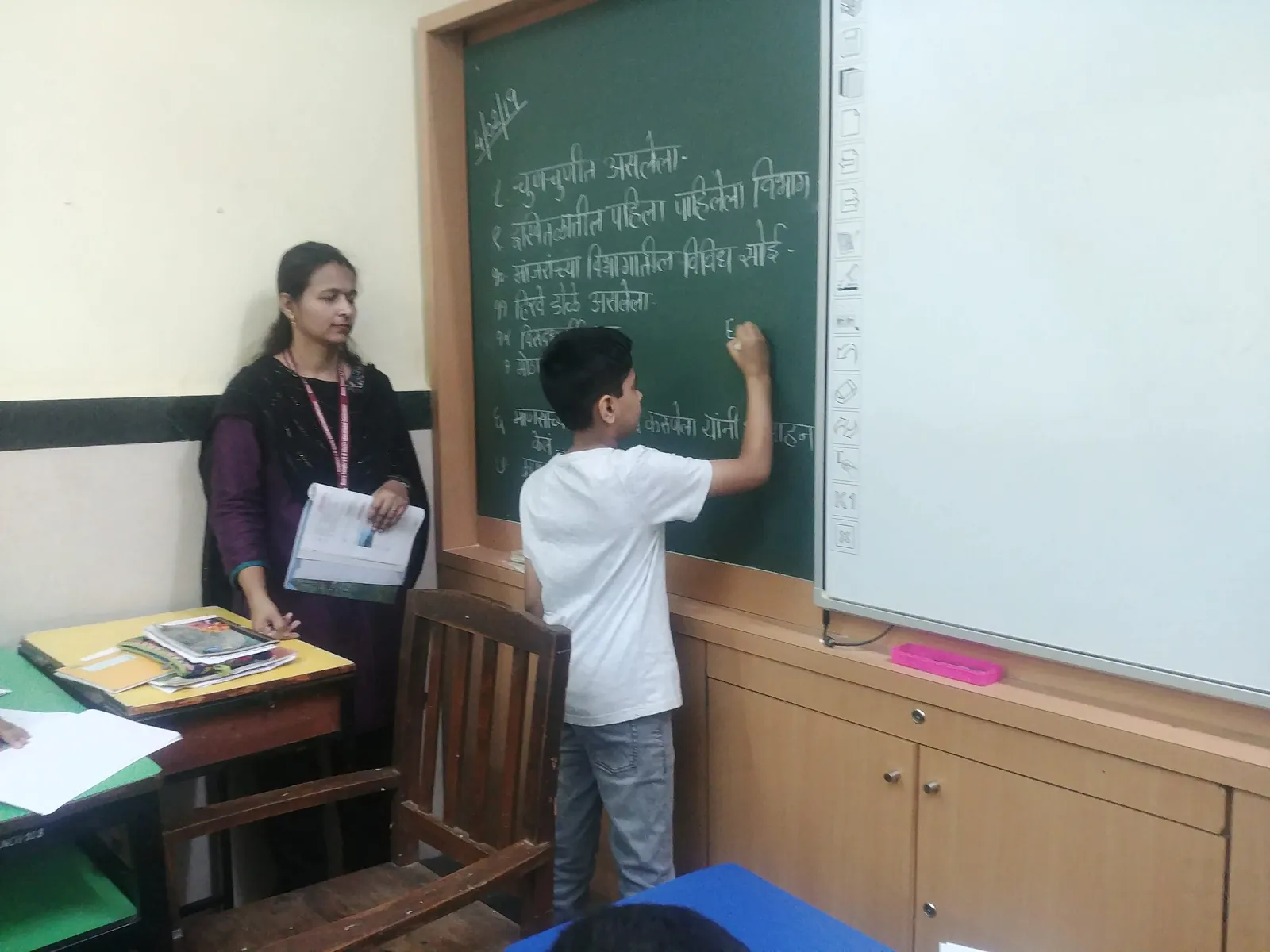
A good lesson can change how a child sees the waste in their home or the trees on their street. Teaching turns a large topic, such as climate change, into small steps a child can try, like sorting a bin or watering a sapling. Education research tests which methods help children remember an idea and act on it, and how long that learning lasts.
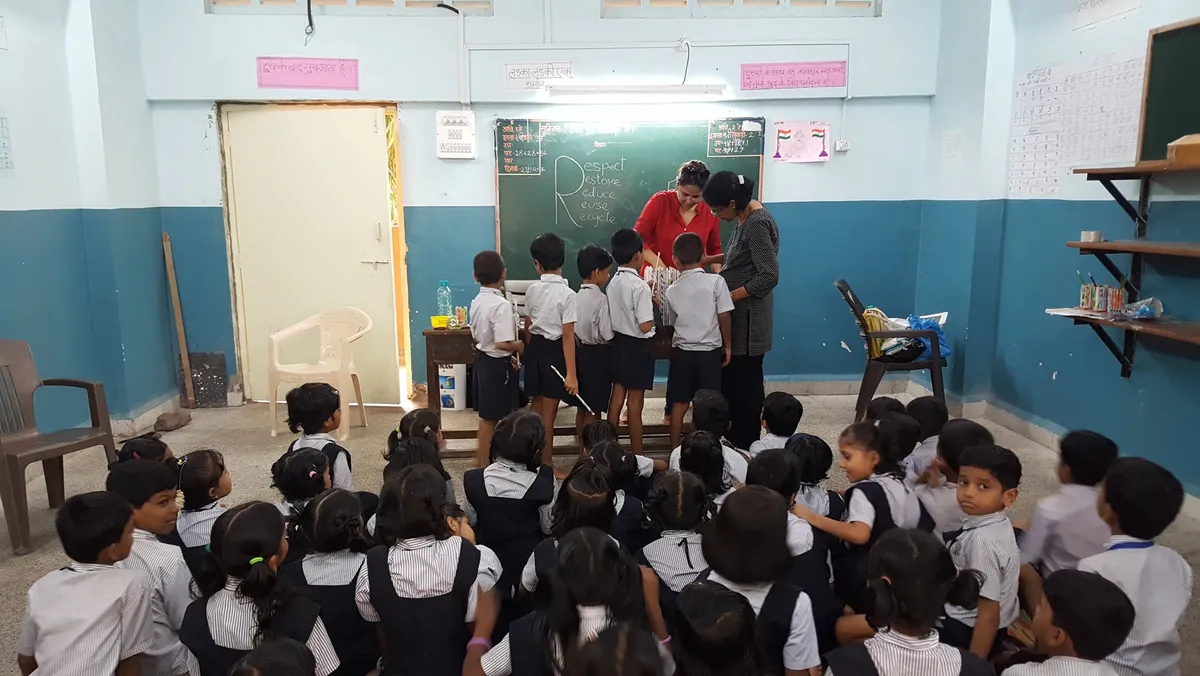
Earth5R runs school workshops and green school projects, and trains communities on waste segregation and composting in 150+ Indian cities. In some of its school sessions, students sort waste into colour-coded bins on stage while the rest of the hall watches. Over ten years, 700,000+ young people have interned with Earth5R. As a fellow you design lessons in this style and try them with a group near you, with feedback from your mentor.
This work links to the UN Sustainable Development Goals: Goal 4, Quality education and Goal 13, Climate action.
Available projects in this high school teaching internship
Each project fits around school work and takes place near home. Your mentor shapes the final project with you.
A waste lesson for a younger class
Plan a 30-minute lesson on sorting waste for a younger class at your school, run it with their class teacher present, and check what the children remember a week later.
A term of eco club activities
Work with your school’s eco club or a class teacher to plan a term of short activities, such as a bin audit or a sapling care rota, with a lesson for each one.
Teaching aids from reused items
Make low-cost teaching aids from reused paper, bottles or boxes, test them in a lesson, and write a short guide so other students can make them too.
Measuring what children learn
Design a short picture quiz to use before and after your lesson, try it with two groups taught in different ways, and compare which approach helped children remember more.
What you do in the field
- Watch how an experienced educator plans and runs a lesson
- Write a lesson plan with one clear learning goal
- Make simple teaching aids from reused materials
- Run your lesson with a younger class or group
- Collect quiz results and feedback from the children
- Improve the lesson and present it in a research conversation
Skills you build
On a high school teaching internship, you collect your own data near home with a parent or guardian, using the Earth5R app and data forms. Earth5R checks the data on its platform before it goes into your project report.
How a high school teaching internship fits your school programme
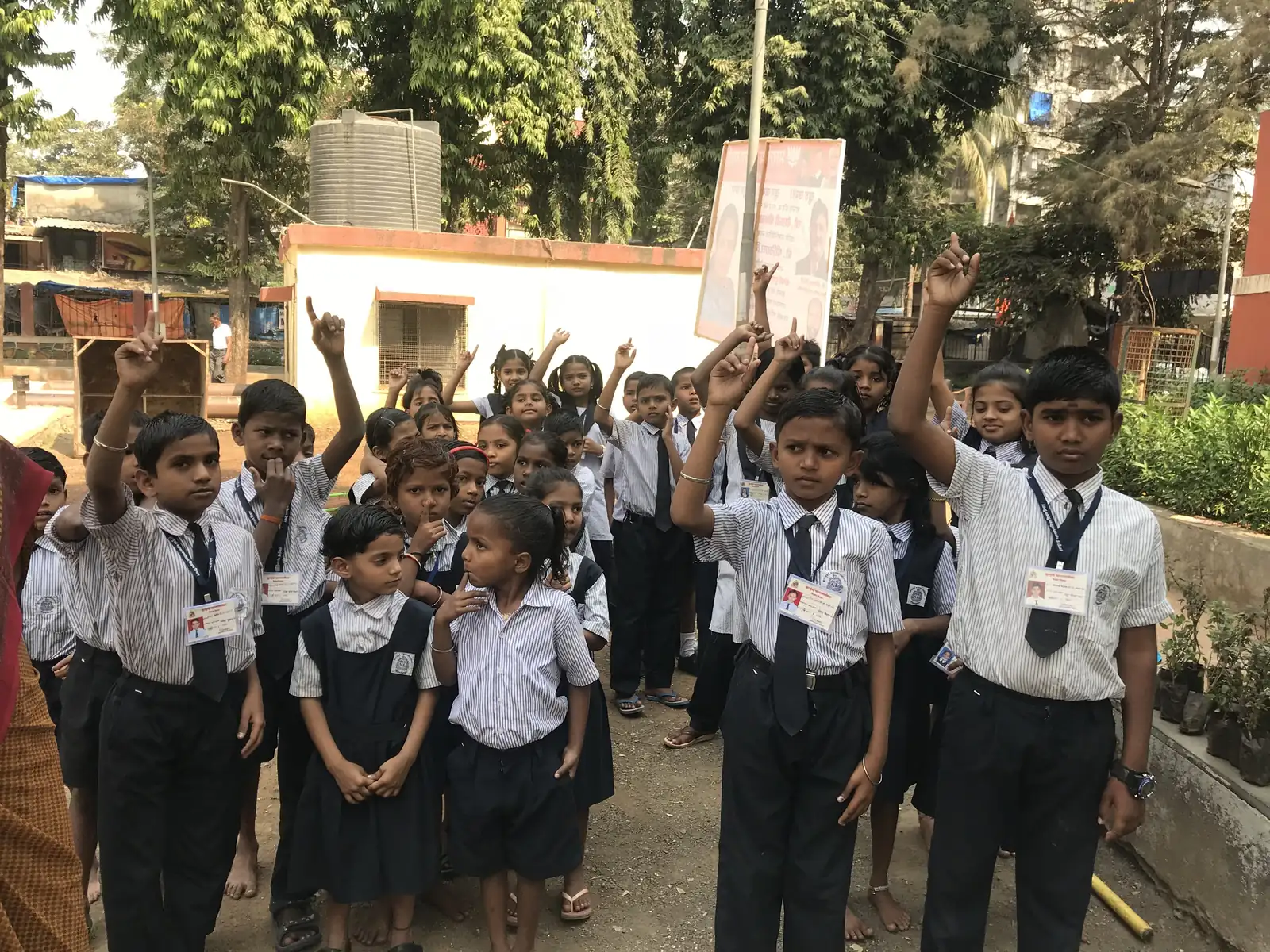
For IB, IGCSE, CBSE and ICSE students. Your school decides what counts towards its own requirements.
IB CAS
Teaching sustainability lessons to younger students can form a CAS project with a clear service element. Your CAS coordinator decides whether it fits your plan.
Extended Essay and IA
An Extended Essay on how children learn about the environment needs a clear question and careful ethics. Your supervisor decides whether data from your lessons can be used.
MYP, IGCSE and CBSE projects
A lesson series for younger students fits the MYP Personal Project or Service as Action, IGCSE Global Perspectives and CBSE or ICSE project work.
University applications
Lesson plans, quiz results and notes on what you changed give you specific examples for an education personal statement or a teacher training interview.
How the high school teaching internship works
Every student moves through four phases. Your mentor checks each phase before you move on, and sessions pause during board exams.
Observe and Map
Go into the field near home, with a parent or guardian, and collect primary data for your project in Education and Teaching.
Frame and Design
Find the root cause in your data and frame a problem worth solving, with your mentor.
Model
Build a working model, analysis or design for your solution, and test it.
Build and Deploy
Put your solution to work, measure the result and publish a verified record on earth5r.org.
Along the way you take part in research conversations with professors at MIT, Oxford, Cambridge, LSE and other universities, and ask your own questions. See how FIELDWORK works.
Where this can take you
University courses this leads to
- BA or BSc in Education
- Bachelor of Education (BEd)
- BA in Education Studies
- BA in Early Childhood Studies
- A subject degree followed by teacher training
Careers in this field
- School teacher
- Curriculum designer
- Education programme manager
- Learning designer
- Education policy researcher
Universities to aim for in Education and Teaching
Education admissions tutors want to see that you have spent time with children and thought about how they learn. A high school teaching internship with FIELDWORK gives you lessons you planned and ran, results from your own sessions and a record your mentor reviewed. Students use a high school teaching internship to build a record of real work for applications to universities like these.
University College London (UCL)
UK · UCL Institute of Education (IOE)
The UCL Institute of Education teaches undergraduate degrees that include the Education, Society and Culture BA, the Early Childhood Education BA and the Psychology with Education BSc. It also offers a Youth, Society and Sustainable Futures BA.
UK · Faculty of Education
Cambridge’s Faculty of Education teaches a flexible, interdisciplinary three-year BA in Education. First-year papers include Learning and Human Development and Education and Social Justice, and students can later specialise in areas such as education and psychology before writing a final-year dissertation.
UK · School of Social & Environmental Sustainability, Dumfries campus
On Glasgow’s Dumfries campus, the School of Social & Environmental Sustainability teaches Primary Education with Teaching Qualification alongside degrees in environmental science and global sustainable development. The university’s education research includes work on learning for sustainability.
USA · Peabody College of Education and Human Development
Peabody College prepares Vanderbilt undergraduates to teach in early childhood, elementary and secondary education, with classroom experience from as early as the second semester. Its majors also include child studies and cognitive studies, and service learning pairs community work with classroom analysis.
USA · Department of Teaching and Learning, NYU Steinhardt, Teaching Biology 7-12 (BS)
NYU Steinhardt’s Department of Teaching and Learning runs an undergraduate science teaching degree for grades 7 to 12, with a choice of biology, chemistry, earth science or physics. Students mix science courses with courses on teaching and finish with two semesters of student teaching in schools.
Canada · Faculty of Education
McGill’s Faculty of Education offers a Bachelor of Education with specialisations from kindergarten and elementary to high school, second language, music and physical education. Its B.A.(Education) with a major in Education in Global Contexts looks at the roles of educators outside the traditional classroom.
Australia · Bachelor of Education (Secondary)
UQ’s four-year Bachelor of Education (Secondary) is taken as a dual programme with a degree such as science or arts, so graduates qualify in two teaching areas. Supervised professional experience in schools begins early in the programme, and international students can apply.
The University of Hong Kong (HKU)
Hong Kong · Faculty of Education
HKU’s Faculty of Education teaches undergraduate degrees including a Bachelor of Education and Bachelor of Science double degree and a Bachelor of Education in Early Childhood Education and Special Education. Its experiential learning projects help students understand real-world settings.
UK · BSc Education Studies
Bristol’s three-year BSc Education Studies explores how education can change societies and individuals, from early childhood to adulthood and from schools to workplaces and social movements. An optional Education in Practice unit offers placements in schools, charities, museums or community groups.
This list is for guidance. These universities offer undergraduate study in Education and Teaching. Earth5R has no admissions arrangement with them, and admission decisions rest with each university. Students get help researching universities, scholarships and applications, depending on the programme.
What your fellowship fee pays for
An internship fellowship at Earth5R is time and attention from senior researchers and leaders. Each part below takes staff time and resources that we set aside for every fellow.
Live mentoring with experts
One-to-one mentoring in most fellowships, with regular check-ins on your project.
Dialogues with global researchers
Academics from international universities and renowned scientists, who answer your questions and discuss your work.
Support in the field
Guidance while you collect data and work on your project in the field.
References for your next step
References when you apply for jobs, higher studies and research programmes.
Your work, hosted for life
Your work and data stay on Earth5R’s website and servers for life, where universities and employers can check them.
Time from senior people
Each fellow receives time and attention from senior researchers and leaders, set aside for them.
Fee details available on request.
Choose your fellowship
The Multi-Year Fellowship can run from Grade 9 to Grade 12, with more scope each year.
The fee pays for live mentoring, dialogues with global researchers, support in the field, references and lifelong hosting of your work. Fee details available on request.
High school teaching internship: common questions
Which children will I teach during this high school teaching internship?
Younger students at your own school, with their class teacher present, or children in an organised group near home, such as a weekend club in your building. Your mentor helps you choose a group you can meet more than once.
Will this take time away from my child’s own studies?
Projects are planned with a light weekly load. Most of that time goes into planning at home, and lessons often run at your child’s own school, so little travel is needed.
Do I need to be confident speaking in front of a class?
No. You start by watching a lesson and teaching a small group. Your mentor gives you feedback after each session, and you move to a full class when you feel ready.
Is the high school teaching internship paid?
Yes. FIELDWORK is a paid, mentored programme. The fee pays for live mentoring, dialogues with global researchers, support in the field, references and lifelong hosting of your work. Fee details are available on request.
Can my child do this high school teaching internship online?
Yes. Mentoring sessions run online, and field work takes place near where you live.
Is a parent or guardian present during field work?
Yes. A parent or guardian is present at every self-guided field activity. Online sessions are for students.
Does FIELDWORK pause during board exams?
Yes. Sessions pause during board exams, so the fellowship fits around school work.
What do students get at the end?
A certificate, a letter of recommendation, a project report and a verified profile on earth5r.org, where universities can check the work.
Related subjects for school students
Already at university? See the Education internship fellowship for university students.
Apply for a FIELDWORK fellowship in Education and Teaching
This high school teaching internship is for students in Grades 9 to 12. Work on a live Earth5R project with a mentor, take part in research conversations with global researchers, and build a verified record of your work. Fee details available on request.