
High school water resources internship and research fellowship
This high school water resources internship lets students in Grades 9 to 12 study a river, lake or water supply near home, with a mentor who guides the field work and reviews each proposal. You map where pollution enters, survey how families get their water and suggest low-cost fixes a school or community could take up.
For school students who take IB Geography, ESS or environmental science and care about rivers, lakes and the water that reaches their homes. Online, with field work near home and a parent or guardian present at every self-guided activity. The fellowship is paid because every student receives time and attention from senior researchers and leaders.
Why water resources matter for sustainability
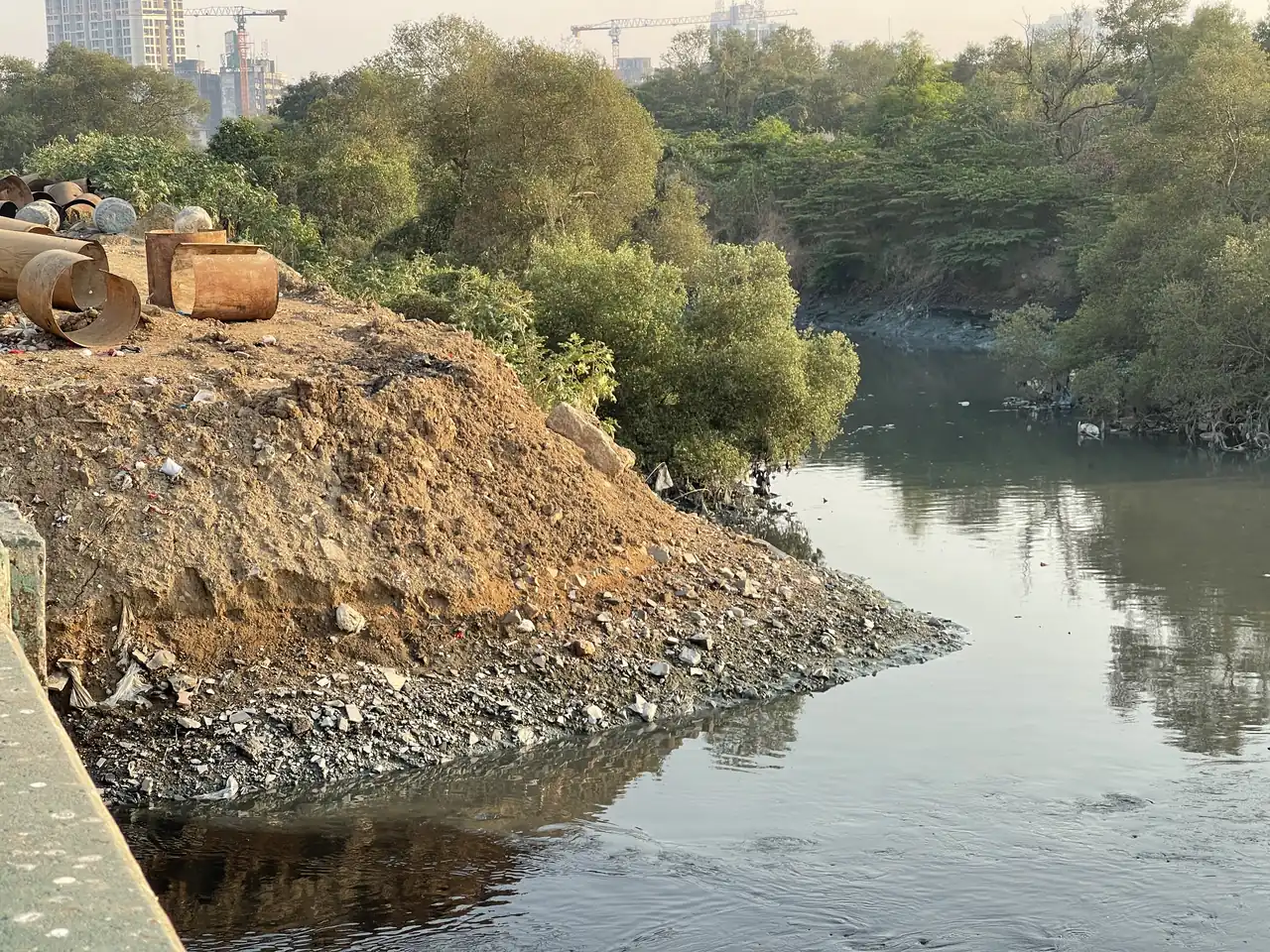
Every city depends on rivers, lakes and groundwater for its water. A river collects water from a wide area of land called its catchment, and waste dumped anywhere in that area can end up in the river. Open drains and plastic add to the load. People who manage water work out how much there is, how clean it stays and how it is shared between homes, farms and industry.
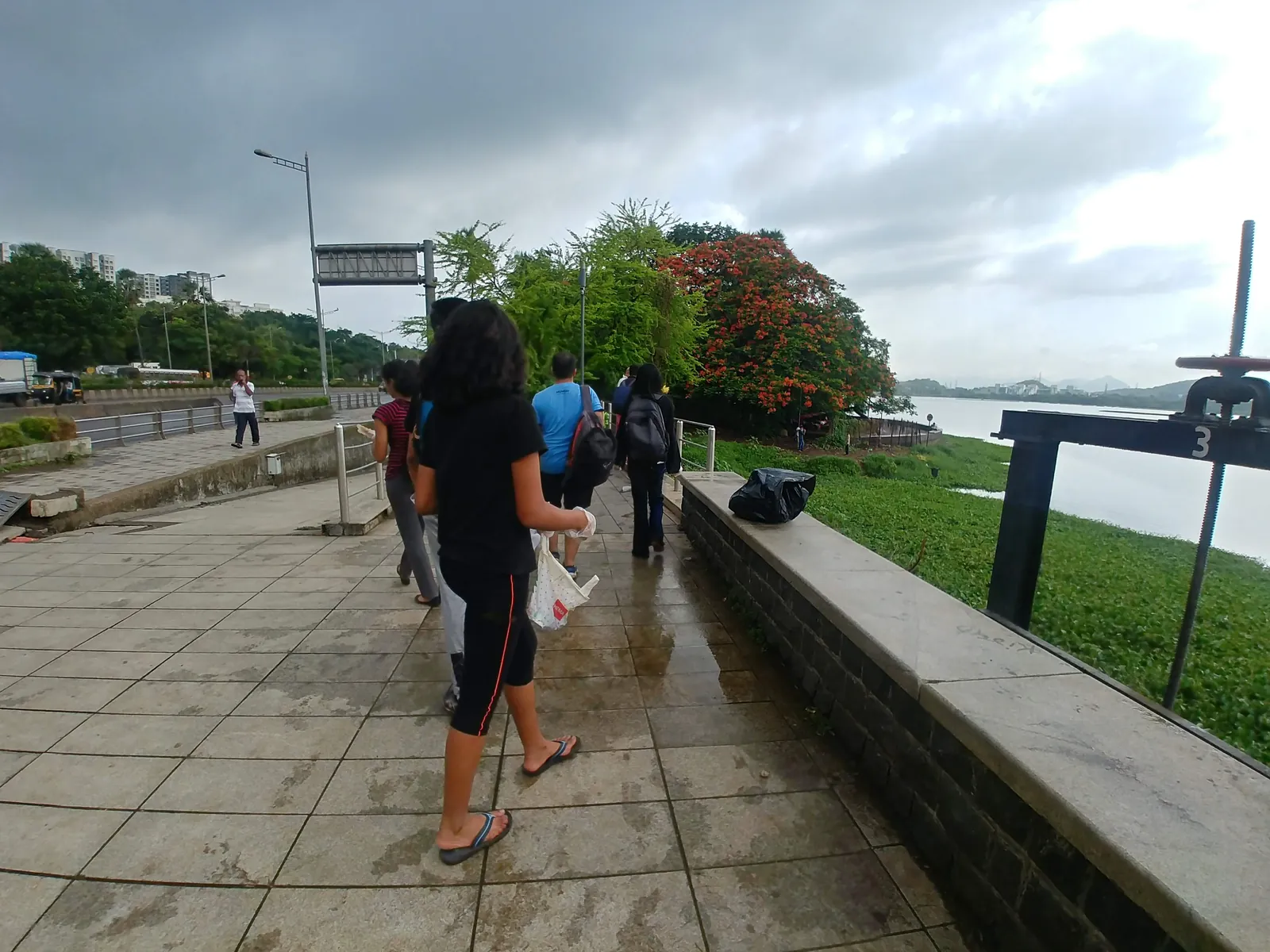
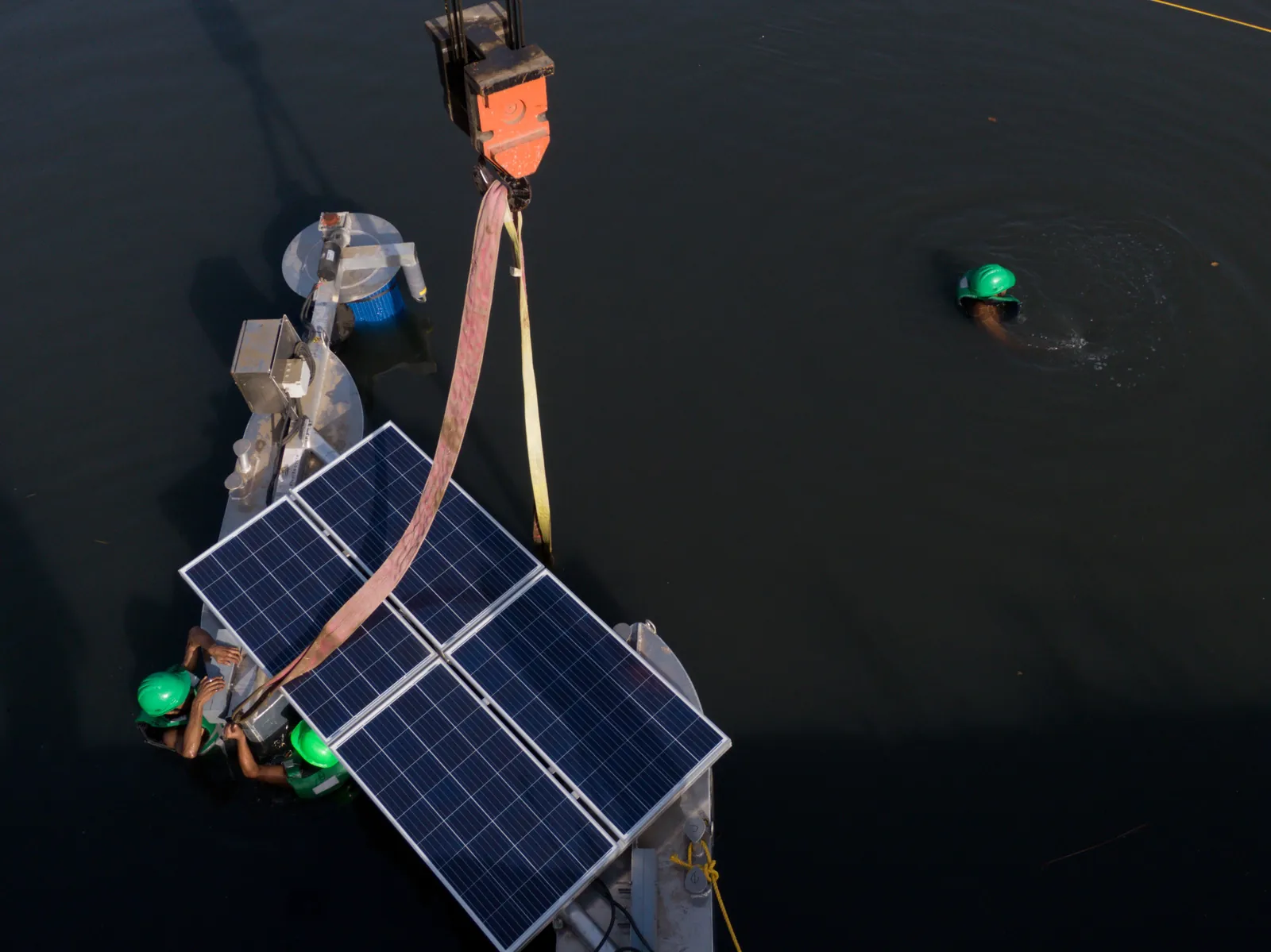
Earth5R has run river cleanups on the Mithi in Mumbai, the Mula Mutha in Pune and the Yamuna in Delhi, and lake cleanups at Powai Lake. For the Mithi River it built a solar-powered river-cleaning machine with the UN Technology Innovation Labs, now UN Global Pulse. The machine was first built in Finland and then rebuilt for tidal and monsoon conditions. One flagship FIELDWORK project, with a New York University researcher, studies data centres, water shortages in Maharashtra and the burden on women.
This work links to the UN Sustainable Development Goals: Goal 6, Clean water and sanitation and Goal 11, Sustainable cities and communities.
Available projects in this high school water resources internship
Each project fits around school work and takes place near home. Your mentor shapes the final project with you.
Pollution sources seen from the shore
With a parent, walk a public promenade or bridge beside a lake or river, photograph and geotag drains, outfalls and dumped waste, and rank them by what you see.
Where your family’s water comes from
Survey your family and neighbours on where their water comes from, how they store it and who collects it, using questions linked to the flagship project on water shortages in Maharashtra.
Water audit of your school
Count the taps, tanks and toilets in your school, measure how much water a dripping tap wastes in a day and propose simple fixes to the school.
A river-cleaning machine built for tides
Study the solar-powered river-cleaning machine built for the Mithi River through photos, videos, build documents and view-only CAD designs, and explain how its design handles tides and monsoon flows.
What you do in the field
- Photograph and geotag what you see from safe public viewpoints
- Read public rainfall and water quality data for your city
- Survey family and neighbours on how they get and store water
- Draw a catchment map showing where water and waste flow
- Compare low-cost solutions from published case studies
- Present your proposal in a research conversation and answer questions
Skills you build
On a high school water resources internship, you collect your own data near home with a parent or guardian, using the Earth5R app and data forms. Earth5R checks the data on its platform before it goes into your project report.
How a high school water resources internship fits your school programme
For IB, IGCSE, CBSE and ICSE students. Your school decides what counts towards its own requirements.
IB CAS
A water audit of your school with fixes you help put in place can form a CAS project with a service element. Your CAS coordinator decides whether it qualifies.
Extended Essay and IA
A geography or ESS Extended Essay or Internal Assessment needs a clear question and primary data. Your shore observations and household surveys can support one, and your supervisor decides.
MYP, IGCSE and CBSE projects
A school water audit or a local lake study can fit the MYP Personal Project and project work in IGCSE, CBSE and ICSE geography or science, if your school approves.
University applications
A verified record of a field study on a real water problem gives you something specific to write about in a personal statement for geography, environmental science or engineering.
How the high school water resources internship works
Every student moves through four phases. Your mentor checks each phase before you move on, and sessions pause during board exams.
Observe and Map
Go into the field near home, with a parent or guardian, and collect primary data for your project in Water Resources.
Frame and Design
Find the root cause in your data and frame a problem worth solving, with your mentor.
Model
Build a working model, analysis or design for your solution, and test it.
Build and Deploy
Put your solution to work, measure the result and publish a verified record on earth5r.org.
Along the way you take part in research conversations with professors at MIT, Oxford, Cambridge, LSE and other universities, and ask your own questions. See how FIELDWORK works.
Where this can take you
University courses this leads to
- BSc in Hydrology or Water Science
- BEng in Civil or Environmental Engineering
- BSc in Environmental Science
- BA or BSc in Geography
- BSc in Earth and Environmental Sciences
Careers in this field
- Hydrologist
- Water resources engineer
- River and lake restoration specialist
- Water policy analyst
- Environmental consultant
Universities to aim for in Water Resources
Admissions tutors in water science and engineering look for students who understand how a catchment works and can turn field observations into a practical plan. A high school water resources internship with FIELDWORK gives you a mapped study of a real water body, a proposal your mentor reviewed and a profile that admissions teams can check. Students use a high school water resources internship to build a record of real work for applications to universities like these.
USA · Department of Hydrology and Atmospheric Sciences (HAS)
Arizona’s Department of Hydrology and Atmospheric Sciences offers a Bachelor of Science in Hydrology & Atmospheric Sciences with an emphasis in Environmental Hydrology & Water Resources. Students can add a minor in environmental hydrology or a certificate in groundwater hydrology, and can join research through vertically integrated projects.
University of California, Davis (UC Davis)
USA · Hydrology B.S., Department of Land, Air and Water Resources
UC Davis offers a B.S. in Hydrology through its Department of Land, Air and Water Resources. Students combine physics, mathematics, chemistry, biology and geology with field and computing methods. They can specialise in areas such as groundwater hydrology, hydrogeochemistry or water management.
USA · Watershed Science and Sustainability major, Warner College of Natural Resources
Colorado State’s B.S. in Watershed Science and Sustainability, in the Warner College of Natural Resources, looks at where water comes from, how it moves across the land and how people affect it. Students choose a data, science or sustainability concentration and complete a one-week field practicum.
Canada · Bachelor of Engineering in Water Resources Engineering, College of Engineering
Guelph’s B.Eng. in Water Resources Engineering covers the use and management of land and water, including flood prevention, drainage and erosion control in rural and urban watersheds. Students design ways to protect groundwater, wetlands, streams and lakes, and the programme has a co-op stream.
Canada · Environmental Engineering (BASc)
Waterloo’s Bachelor of Applied Science in Environmental Engineering is a co-op programme with six work terms. Students learn to design water treatment and distribution systems. A Water Resources specialisation covers the physical science of water, water quantity analysis, and GIS and remote sensing.
Wageningen University & Research
Netherlands · Bachelor’s in Earth System Sciences (formerly Soil, Water, Atmosphere)
Wageningen’s three-year Bachelor’s in Earth System Sciences is taught in English and studies how soil, water and the atmosphere interact. Second-year topics include water quality and climate models. Fieldwork is a core part of the course, and third-year students can specialise in water.
Netherlands · Bachelor’s in Civil Engineering
Twente’s three-year BSc Civil Engineering is taught in English and built around three domains, one of which is water management. Students work on a group project in every module. A first-year water management module asks them to design a dam for the Blue Nile in Ethiopia.
National University of Singapore (NUS)
Singapore · Department of Civil and Environmental Engineering, College of Design and Engineering
NUS Civil and Environmental Engineering teaches a Bachelor of Engineering in Environmental and Sustainability Engineering alongside its civil engineering degrees. The department has a Centre for Water Research, and its water work covers surface water quality, nutrient removal from waterbodies and microplastics in water and wastewater.
This list is for guidance. These universities offer undergraduate study in Water Resources. Earth5R has no admissions arrangement with them, and admission decisions rest with each university. Students get help researching universities, scholarships and applications, depending on the programme.
What your fellowship fee pays for
An internship fellowship at Earth5R is time and attention from senior researchers and leaders. Each part below takes staff time and resources that we set aside for every fellow.
Live mentoring with experts
One-to-one mentoring in most fellowships, with regular check-ins on your project.
Dialogues with global researchers
Academics from international universities and renowned scientists, who answer your questions and discuss your work.
Support in the field
Guidance while you collect data and work on your project in the field.
References for your next step
References when you apply for jobs, higher studies and research programmes.
Your work, hosted for life
Your work and data stay on Earth5R’s website and servers for life, where universities and employers can check them.
Time from senior people
Each fellow receives time and attention from senior researchers and leaders, set aside for them.
Fee details available on request.
Choose your fellowship
The Multi-Year Fellowship can run from Grade 9 to Grade 12, with more scope each year.
The fee pays for live mentoring, dialogues with global researchers, support in the field, references and lifelong hosting of your work. Fee details available on request.
High school water resources internship: common questions
Will my child go into the water or onto riverbanks?
No. Students observe rivers and lakes only from safe public places such as promenades and bridges, with a parent or guardian present at every self-guided activity. School projects don’t involve water sampling, and most of the work uses mapping, surveys and public data.
Which water body will I study in this high school water resources internship?
Usually one near your home, such as a river, lake, creek or your building’s water supply. You agree the site with your mentor at the start. Students in Mumbai, Pune or Delhi can study rivers and lakes where Earth5R has run cleanups.
Do I need to take geography or ESS at school?
It helps but it isn’t required. Students who take geography, ESS, biology or general science all join. Your mentor shapes the project to what you already know and explains terms such as catchment and runoff as you go.
Is the high school water resources internship paid?
Yes. FIELDWORK is a paid, mentored programme. The fee pays for live mentoring, dialogues with global researchers, support in the field, references and lifelong hosting of your work. Fee details are available on request.
Can my child do this high school water resources internship online?
Yes. Mentoring sessions run online, and field work takes place near where you live.
Is a parent or guardian present during field work?
Yes. A parent or guardian is present at every self-guided field activity. Online sessions are for students.
Does FIELDWORK pause during board exams?
Yes. Sessions pause during board exams, so the fellowship fits around school work.
What do students get at the end?
A certificate, a letter of recommendation, a project report and a verified profile on earth5r.org, where universities can check the work.
Related subjects for school students
Already at university? See the Water Resources internship fellowship for university students.
Apply for a FIELDWORK fellowship in Water Resources
This high school water resources internship is for students in Grades 9 to 12. Work on a live Earth5R project with a mentor, take part in research conversations with global researchers, and build a verified record of your work. Fee details available on request.