
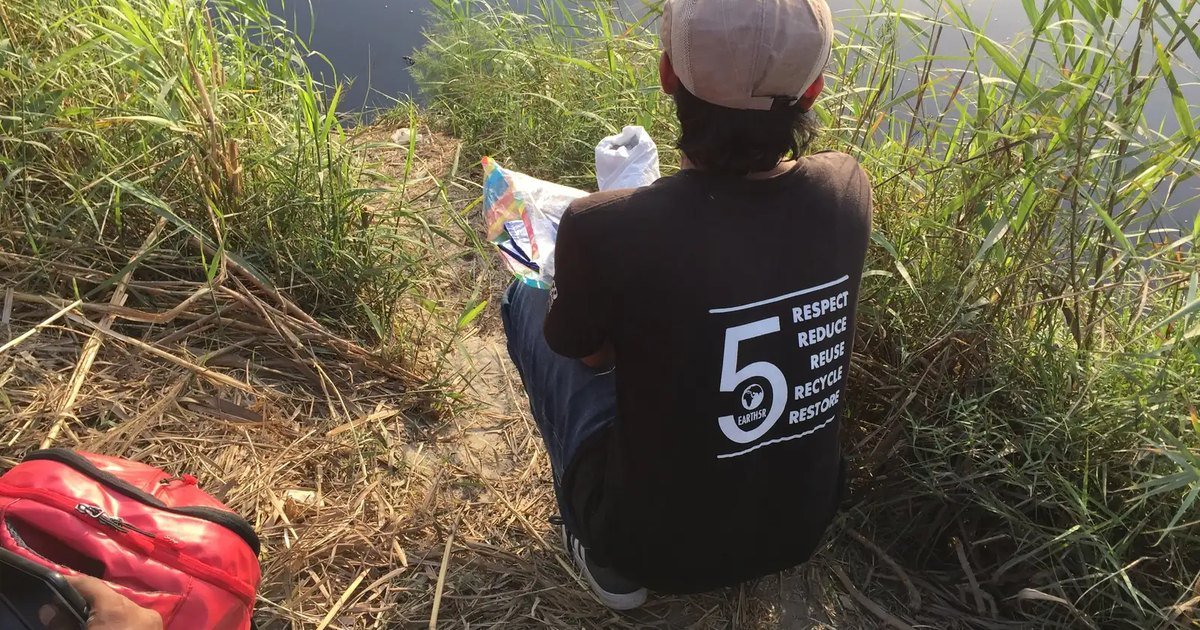
Indian school students keep asking how environmental work fits into a crowded school year. They care about rivers, waste, heat and water. They also want to know whether that work can be documented honestly when a university, a teacher or a scholarship panel looks at a file. This article starts with environmental field research itself. Study abroad sits second. Earth5R is not an admissions consultancy. FIELDWORK is a research fellowship for students who join live environmental projects already on the ground.
The aim is practical. Help students and parents tell the difference between a one day event and sustained environmental learning that leaves a checkable trail.
How this article was built
This piece draws on two listening corpora gathered for FIELDWORK content work. It is not a survey of all Indian applicants, and the theme counts below are not national estimates.
The first corpus is unanswered Quora questions from early November 2026 about SAT or ACT choice with empty activity lists, recommendation letters from Indian schools, scarce UK undergraduate scholarships, and psychology scholarships for an Indian student living in the UAE.
The second corpus is a Reddit listening digest covering 5 to 9 Nov 2026, India time. That digest found 17 posts from Indian school students in Class 11, Class 12, or just out of school who were asking about bachelor’s degrees abroad. Themes were coded with overlapping labels, so one post can sit in more than one theme. Theme counts therefore add up to more than 17. In that window, choosing a country or India versus abroad appeared in 8 posts. Costs, loans and scholarships appeared in 7. Weak or unsure extracurriculars and profile questions appeared in 5. Boards, marks and paperwork appeared in 5. JEE pressure and family pressure appeared in 5. No student in that digest asked about recommendation letters. SOP and essay questions were quiet among students.
Coverage was incomplete. Some subreddits were rate limited. Search feeds returned unrelated posts, so the digest used feed scans rather than search. Treat the counts as a snapshot of what showed up in that verified window, not a representative sample, and not proof that one theme causes another.
Quoted lines below are taken from those public posts and questions. Handles are omitted. Each quotation carries its original URL. Where the corpus only supports a close summary, the line is labelled as a paraphrase.
The environmental question students are really asking
“I have a few ecs but idk if they are worth it … i have been in MUN in 9th and 10th grade but didn’t win anything not even a certificate”
Source: https://www.reddit.com/r/IntltoUSA/comments/1xq9jfx/decision_time/
Paraphrase from: In the same thread, a Class 11 student aiming at environmental sciences also asks whether a short environmental marathon counts as an extracurricular.
Source thread: https://www.reddit.com/r/IntltoUSA/comments/1xq9jfx/decision_time/
Those two doubts belong together. Students who care about the planet often collect short events because those events are easy to find. A race, a cleanup day, a poster week. The missing piece is usually not passion. It is a trail of evidence that shows what they observed, what they changed, and what they learned over time.
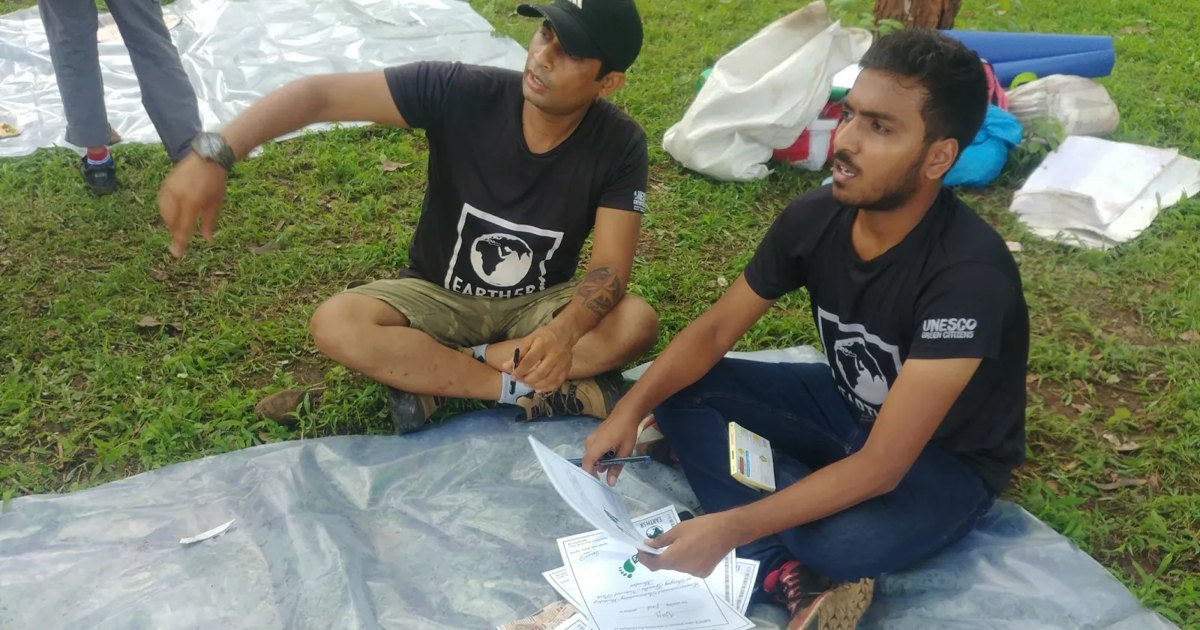
Environmental field research answers that gap when it is real. Primary data from a ward, a lake shore, a housing society or a farm plot. Notes taken the same day. A map of where segregation fails. A count of plastic types. A small pilot that was tried, failed, revised, and tried again. That is learning. It is also the kind of work a teacher can describe without inventing praise.
Starting when school has no clubs
“So I’m an International and my school doesn’t have any clubs. Like clubs are just not a thing, so almost all of my ECs are from outside my schools.”
“How important are extracurriculars/projects and are they REALLY necessary”
“to be honest i dont have any flashy extracurriculars but my grades are good. though i still have a year and half to flourish my extracurriculars.”
Source: https://www.reddit.com/r/IntltoUSA/comments/1xox2fe/not_able_to_figure_out/
Many Indian schools organise academics well and leave clubs thin or absent. That is not a moral failure by the student. It is a structural fact. Outside work can be stronger than a school club if it is sustained and documented.
A useful starting rule is local and measurable. Pick one environmental system near home. Household waste. Street flooding after rain. Rooftop heat. Water tanker schedules. Tree cover on one stretch of road. Walk it with a parent or guardian present. Write what you see before you invent a solution. Photograph only what people consent to. Keep a dated notebook.
You do not need a long list. One project that runs across months teaches observation, framing, modelling and deployment more clearly than a pile of one day certificates. Marks still matter on their own track. Testing policies still sit with each university. Field work does not replace either. Treat ownership and honesty as learning habits for your own notes, not as a claim about how every admissions office ranks activities.
What counts as an activity, and what does not
A short environmental marathon can matter as the spark that made you notice plastic on a route or heat on a stretch of road. On its own, it is participation. It becomes stronger when you turn the day into a question you keep studying.
Fields worth recording in an environmental notebook include the place and date of each visit, weather and other conditions, what you counted or mapped, who you spoke with and whether they consented, what you expected before the visit, what the notes actually showed, what you changed after a failed attempt, and what evidence someone else could check later with your consent.
Substantive environmental work usually shows a repeated field method, a problem frame rooted in those notes rather than a slogan about awareness, a small intervention you can measure, and a public checkable record created only with your consent.
A certificate of attendance with no method and no data does not become research by itself. Neither does a one day cleanup with no follow up, nor a story that claims leadership where the file shows only presence.
Students also raise separate problems around fabricated achievements and essays flagged as machine written. Genuine field notes help because they are specific. Invented glory collapses under ordinary questions. Verified work is not a trick for admissions. It is basic intellectual honesty.
Evidence teachers can write about
“How should a recommendation letter be written from an Indian high school, so that the top US college need not to verify it for undergraduate?”
On the Common App, a teacher or counsellor is invited and submits the letter themselves. The student does not write it and should not ghost write it. Common App’s counsellor and recommender guidance explains those roles directly (https://www.commonapp.org/counselors-and-recommenders/).
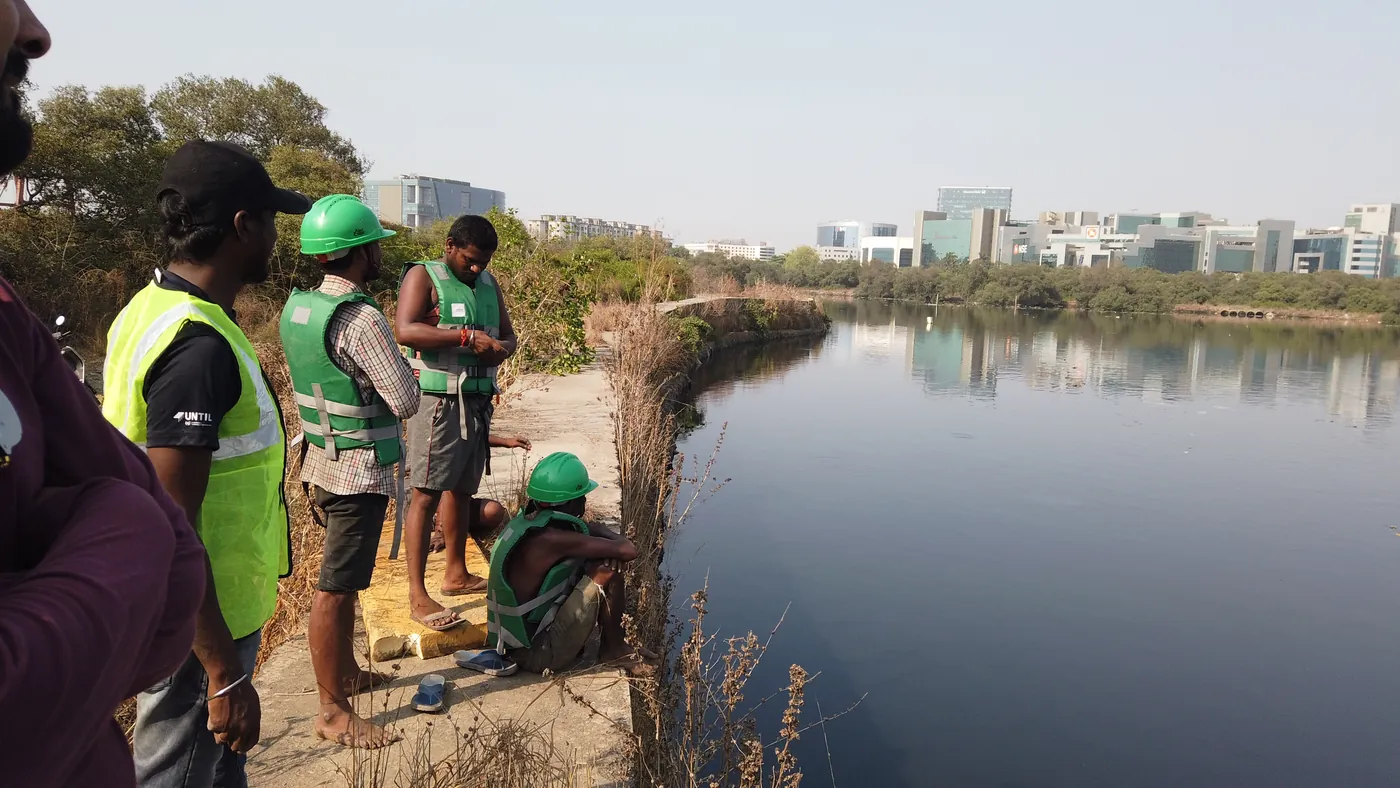
Teachers can only write what they have seen. If the only evidence is marks, the letter stays thin. If the student has run a waste audit, surveyed households, revised a failed model, or published a consented record of field work, the teacher has moments to describe. A question asked in class that came from field data. A setback handled without drama. Consistency between the letter and the activities list.
A research mentor from a fellowship is not a substitute for a school recommender. School teachers and counsellors remain the people many US portals ask for. Mentors can deepen the work. They do not replace the school’s role.
Project reflections that travel into essays
“I’m an Indian student studying in the UAE. How can I get a scholarship for undergraduate psychology courses in the UK?”
Personal statements and scholarship statements are stronger when they describe real engagement rather than a slogan. For psychology applicants who later want a UK practice pathway, course pages also ask families to check British Psychological Society accreditation (https://www.bps.org.uk/accreditation). The same need for concrete detail applies to environmental applicants.
A useful reflection names the place, the method, the unexpected finding, the revision after a failed attempt, and the evidence that remains. Those details come from field notes, not from a prompt generator. FIELDWORK publishes guides on turning field notes into SOP drafts and college essays for students who have done the work (From Field Notes to Statement of Purpose, Writing From Real Climate and Community Work). The essays remain the student’s words. The field work supplies the evidence.
Academic prerequisites, predicted grades, board mark reading, English tests and fee status stay separate. Each university sets those rules. A verified project does not rewrite them.
What extracurriculars cannot buy in scholarships
“Why are there few scholarships for undergraduates in UK for Indian students?”
Source: https://www.quora.com/Why-are-there-few-scholarships-for-undergraduates-in-UK-for-Indian-students
“i dont come from a loaded family so for sure cant pay the US tuitions , so the only scope is scholarships or bank loans.”
Source: https://www.reddit.com/r/IntltoUSA/comments/1xox2fe/not_able_to_figure_out/
“I don’t want to put excessive financial pressure on them.”
Source: https://www.reddit.com/r/studyAbroad/comments/1xpzsbm/indian_cbse_student_targeting_poland_for_a_cs/
Official UK structures explain part of the scarcity. Chevening Scholarships are available for taught master’s degrees only, not undergraduate study (https://www.chevening.org/faqs/can-i-apply-for-a-chevening-scholarship-to-study-for-a-phd-or-dphil/). At undergraduate level, international funding often comes from individual universities as partial awards or merit discounts. Fully funded undergraduate places for international students exist at some universities and remain limited. One public example is the UCL Global Undergraduate Scholarship, which offers a small number of full tuition and maintenance awards for overseas fee students (https://www.ucl.ac.uk/scholarships/ucl-global-undergraduate-scholarship).
UCAS notes that a standard bachelor’s degree lasts three years full time in most of the UK, with Scotland usually four years (https://www.ucas.com/international/international-advisers/supporting-international-students/the-uk-degree-system). Families comparing England routes therefore need the whole cost over about three years, including rent and living costs in that city, not only the headline tuition fee.
None of that is solved by padding an activities list. Real environmental field research can give a student something honest to write in a merit statement. It does not purchase a scholarship. It does not guarantee admission. Affordability, loans, fee status for students living outside India, and each university’s own award rules remain university specific checks families must do themselves.
Where FIELDWORK fits
Earth5R runs live environmental projects in the Global South. FIELDWORK is the fellowship track where students in Grades 9 to 12 join that work (https://earth5r.org/fieldwork). Fellows move through gated phases. Observe and map. Frame and design. Model. Build and deploy. Each phase is independently assessed. Current live projects include Data centres, water and women, and Climate and basmati rice. Fellows work alongside scientists from NASA, Columbia and NYU. The outcome is a record universities can actually verify, published with the student’s consent. The fellowship runs across a full term in 38 subjects. Admissions are rolling and selective. Field work happens with a parent or guardian present.
FIELDWORK is fee based. It carries no admission guarantee and no scholarship guarantee. The point of the work is the planet and the learning. Profile strength is a side effect of doing something real.
Start with the ground under your feet
If your school has no clubs, begin outside. If your only environmental activity so far is a marathon or a one day cleanup, keep the spark and add a method. If your teachers need something concrete to write, give them months of notes, not a request for adjectives. If scholarships feel scarce, treat verified work as evidence inside a wider plan that still respects grades, tests, fee status and each university’s rules.
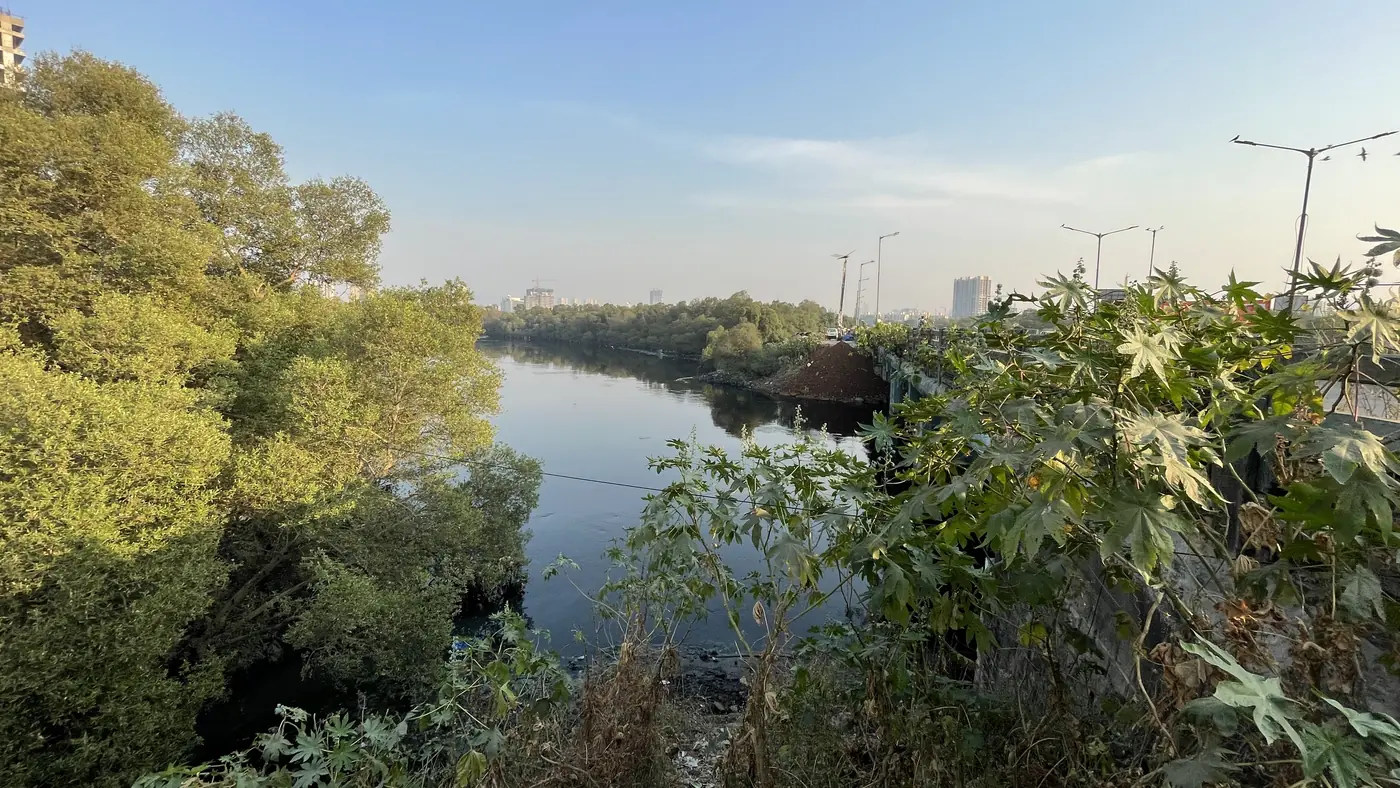
Real environmental field research is first a way to understand and improve the place you live. For Indian school students and parents watching university options abroad, that same work becomes documented learning a reader can trust.
Learn more about FIELDWORK at https://earth5r.org/fieldwork
Sources and references
- Reddit post, Decision time, r/IntltoUSA: https://www.reddit.com/r/IntltoUSA/comments/1xq9jfx/decision_time/
- Reddit post, Will not being part of any clubs affect my application, r/ApplyingToCollege: https://www.reddit.com/r/ApplyingToCollege/comments/1xqvsdz/will_not_being_part_of_any_clubs_affect_my/
- Reddit post, Questions regarding how to get into NUS/NTU, r/Indians_StudyAbroad: https://www.reddit.com/r/Indians_StudyAbroad/comments/1xphpii/questions_regarding_how_to_get_into_nusntu_and/
- Reddit post, not able to figure out, r/IntltoUSA: https://www.reddit.com/r/IntltoUSA/comments/1xox2fe/not_able_to_figure_out/
- Reddit post, Indian CBSE student targeting Poland for a CS Bachelor’s, r/studyAbroad: https://www.reddit.com/r/studyAbroad/comments/1xpzsbm/indian_cbse_student_targeting_poland_for_a_cs/
- Quora question, Why are there few scholarships for undergraduates in UK for Indian students: https://www.quora.com/Why-are-there-few-scholarships-for-undergraduates-in-UK-for-Indian-students
- Quora question, How should a recommendation letter be written from an Indian high school: https://www.quora.com/How-should-a-recommendation-letter-be-written-from-an-Indian-high-school-so-that-the-top-US-college-need-not-to-verify-it-for-undergraduate
- Quora question, scholarship for undergraduate psychology courses in the UK: https://www.quora.com/Im-an-Indian-student-studying-in-the-UAE-How-can-I-get-a-scholarship-for-undergraduate-psychology-courses-in-the-UK
- Common App, Counselor and recommender resources: https://www.commonapp.org/counselors-and-recommenders/
- Chevening, undergraduate / PhD FAQ: https://www.chevening.org/faqs/can-i-apply-for-a-chevening-scholarship-to-study-for-a-phd-or-dphil/
- UCAS, The UK degree system: https://www.ucas.com/international/international-advisers/supporting-international-students/the-uk-degree-system
- UCL Global Undergraduate Scholarship: https://www.ucl.ac.uk/scholarships/ucl-global-undergraduate-scholarship
- British Psychological Society, Accreditation: https://www.bps.org.uk/accreditation
- Earth5R FIELDWORK page: https://earth5r.org/fieldwork
- FIELDWORK guide, From Field Notes to Statement of Purpose: https://earth5r.org/how-to-write-sop-climate-field-work/
- FIELDWORK guide, Writing From Real Climate and Community Work: https://earth5r.org/college-essay-examples-climate-community-work/