
Civil engineering internship fellowship
In this civil engineering internship you survey a real infrastructure problem in your area, such as blocked drains, street flooding or dumped construction waste, with a mentor who reviews your method. You measure the site, map what you find and design low-cost fixes that a housing society, school or local ward office could use.
For school and university students interested in how cities handle rain and waste, and in designing fixes that work on a small budget. Online, with field work near where you live. The fellowship is paid because every fellow receives time and attention from senior researchers and leaders.
Why civil engineering matters for sustainability
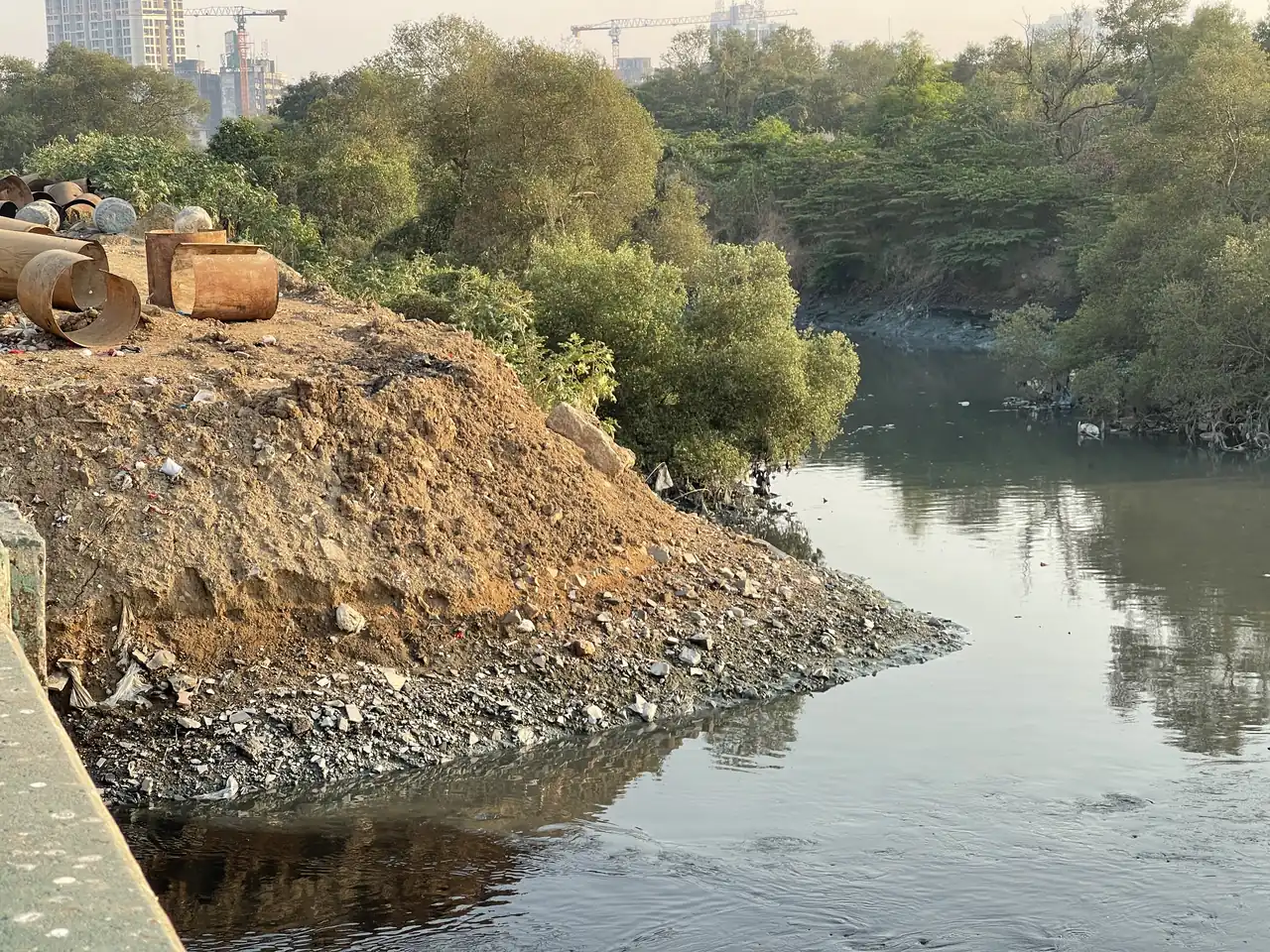
Cities depend on drains, roads and buildings designed for the rainfall of the past. When heavy rain falls, blocked or undersized drains overflow and streets flood. Construction debris dumped on open land and in waterways makes this worse. Civil engineers survey these sites, work out how much water has to move and where it should go, and design drainage that copes with the monsoon.
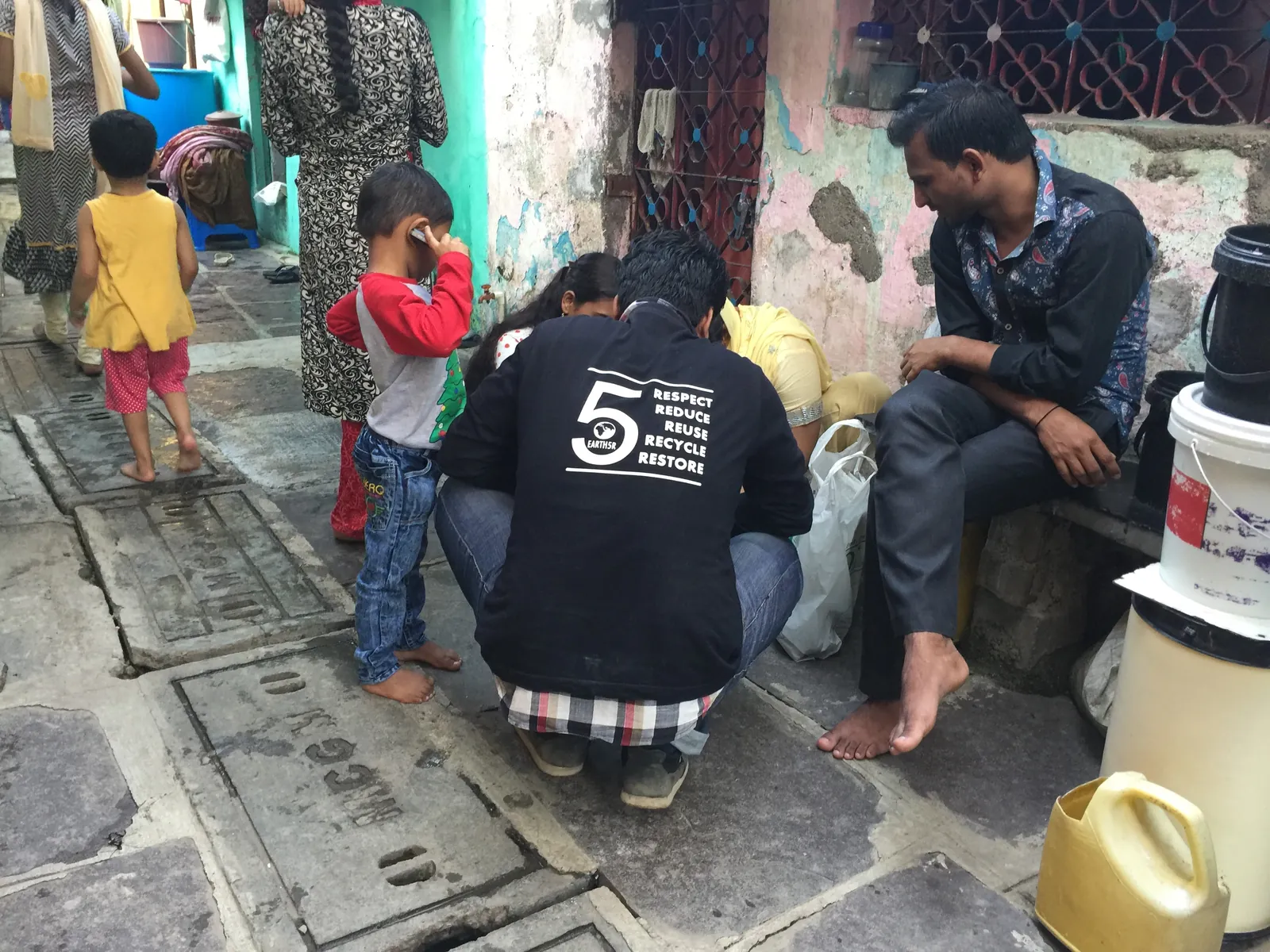
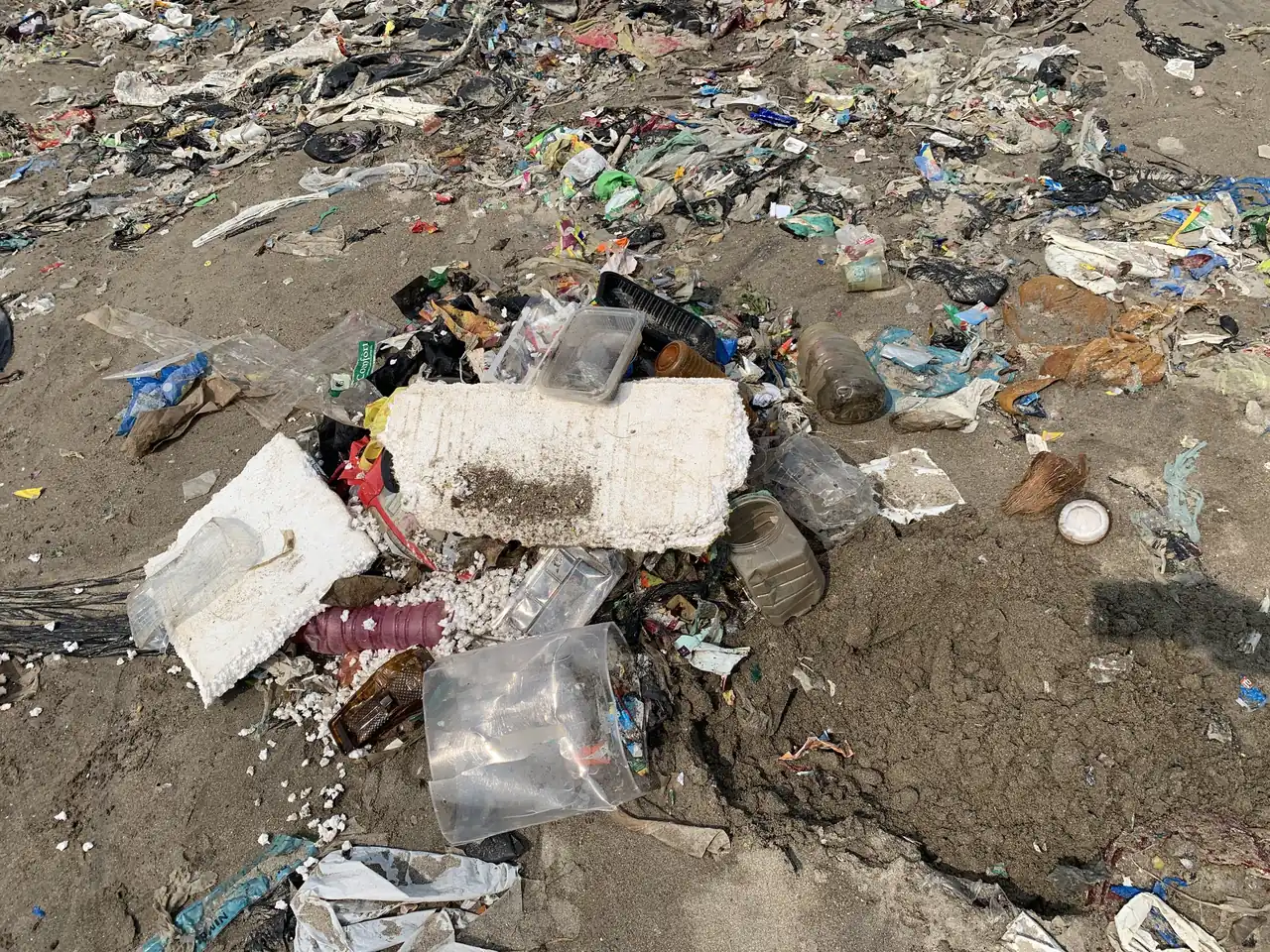
Earth5R has run river cleanups on the Mithi in Mumbai, the Mula Mutha in Pune and the Yamuna in Delhi. Much of the waste in a city river starts on its streets. Earth5R’s app records photographed, geo-tagged field data, so each problem site can be pinned to a location. As a fellow you survey streets and drains near where you live, record each site on the app and design fixes that your mentor reviews.
This work links to the UN Sustainable Development Goals: Goal 11, Sustainable cities and communities and Goal 13, Climate action.
Available projects in the civil engineering internship fellowship
You join Earth5R’s live work through your own subject. Your mentor shapes the final project with you.
Street drainage survey
Walk a set of streets near you, record every drain opening and blockage with geo-tagged photos, and design low-cost fixes for the worst points.
Monsoon flooding map
Map the streets in your area that flood after heavy rain, estimate the runoff they receive, and propose changes such as soak pits, permeable paving or drain cleaning schedules.
Construction waste reuse study
Survey where construction and demolition debris is dumped in your area, record what it is made of, and design a simple plan to reuse it in paving or fill.
Load and heat on tin roofs
Study Earth5R’s rooftop plantations, which place saplings in upcycled containers on hot tin roofs to cool homes, and estimate the extra load on the roof and how much cooler the room below becomes.
What you do in the field
- Walk and photograph your survey area, recording each site on the Earth5R app
- Measure drain sizes and street slopes with simple tools
- Estimate rainfall runoff using standard methods
- Talk to residents about where water collects and how often
- Draw site plans and cross-sections of your proposed fix
- Present your design in a research conversation and explain its cost
Skills you build
On a civil engineering internship, you collect your own data near where you live, using the Earth5R app and data forms. Earth5R checks the data on its platform before it goes into your project report.
How the civil engineering internship fellowship works
Every fellow moves through four phases. Each phase is checked by your mentor before you move on.
Observe and Map
Go into the field near where you live and collect primary data for your project in Civil Engineering.
Frame and Design
Find the root cause in your data and frame a problem worth solving, with your mentor.
Model
Build a working model, analysis or design for your solution, and test it.
Build and Deploy
Put your solution to work, measure the result and publish a verified record on earth5r.org.
Along the way you take part in research conversations with professors at MIT, Oxford, Cambridge, LSE and other universities, and ask your own questions. See how FIELDWORK works.
Where this can take you
Degrees this work supports
- BTech or BE in Civil Engineering
- BTech in Civil and Environmental Engineering
- MTech or MS in Water Resources Engineering
- MSc in Sustainable Infrastructure
- MTech or MS in Structural Engineering
Careers in this field
- Municipal civil engineer
- Drainage and flood risk engineer
- Structural engineer
- Infrastructure consultant
- Climate resilience planner
Universities known for Civil Engineering
Strong civil engineering programmes look for applicants who can measure a site, describe a problem with numbers and propose a practical fix. A fellowship project gives you a survey you carried out, a design your mentor reviewed and a public record of the work on earth5r.org. Students use a civil engineering internship to build a record of real work for applications to universities like these.
University of California, Berkeley (UC Berkeley)
USA · Department of Civil and Environmental Engineering (CEE)
Berkeley’s Department of Civil and Environmental Engineering is part of the College of Engineering and offers undergraduate majors and minors as well as graduate study. Graduate programmes cover structural engineering, mechanics and materials, geosystems, transportation, environmental engineering and construction systems. A programme area called Energy, Civil Infrastructure and Climate links infrastructure work to climate and energy.
USA · Department of Civil and Environmental Engineering (CEE)
Stanford CEE offers undergraduate, coterminal and graduate degrees. Its research is organised around the built environment, the natural environment and engineered civil and environmental systems, with work on resilient infrastructure, water and sanitation, coastal environments and zero-energy buildings. The department also works with the Stanford Doerr School of Sustainability and its institutes.
University of Illinois Urbana-Champaign (UIUC)
USA · Department of Civil and Environmental Engineering (CEE), The Grainger College of Engineering
Part of The Grainger College of Engineering, the Illinois CEE department offers a BS in Civil Engineering, a BS in Environmental Engineering, and MS and PhD degrees, including an online MS. Study areas include geotechnical, structural, transportation and water resources engineering. Interdisciplinary programmes cover Energy-Water-Environment Sustainability and Sustainable and Resilient Infrastructure Systems.
Massachusetts Institute of Technology (MIT)
USA · Department of Civil and Environmental Engineering (CEE)
MIT CEE teaches undergraduate and graduate degrees and describes its focus as the nexus of people, systems and sustainability. Research themes include climate and environment, food and water security, resilient systems and mobility, and sustainable materials and infrastructure. Affiliated units include the Concrete Sustainability Hub (CSHub) and the Center for Transportation & Logistics.
UK · Department of Civil and Environmental Engineering
Imperial’s Department of Civil and Environmental Engineering offers an MEng, a set of MSc courses and PhD research. MSc options include Advanced Materials for Sustainable Infrastructure, Environmental Engineering, Geotechnical Engineering and Transport. Research themes include Engineering net zero and beyond, Sustainable Natural Environment, and Resilient and Secure Built Environment.
UK · Civil Engineering Division (Division D), Department of Engineering
Civil engineering at Cambridge is Division D of the Department of Engineering. It aims to advance the design, construction and operation of civil and structural systems for sustainable and resilient infrastructure. Its groups include Geotechnical and Environmental, Structures, the Centre for Smart Infrastructure and Construction, the Centre for Sustainable Development and the Use Less Group.
Switzerland · Department of Civil, Environmental and Geomatic Engineering (D-BAUG)
D-BAUG offers bachelor’s and master’s degrees in civil and environmental engineering, programmes in geospatial engineering, and a master’s in Spatial Development and Infrastructure Systems. Its teaching responds to rising demands on infrastructure and mobility while soil, water and air remain scarce. Civil engineering master’s students choose two specialist areas and write a thesis.
Delft University of Technology (TU Delft)
Netherlands · Faculty of Civil Engineering and Geosciences (CEG)
TU Delft’s Faculty of Civil Engineering and Geosciences runs bachelor’s and master’s programmes and has departments such as Hydraulic Engineering, Water Management, Engineering Structures and Transport & Planning. Its research themes are clean water, climate change, the energy transition, resource availability, and urbanisation and mobility. Recent projects study wave overtopping on dikes, offshore wind foundations and longer-lasting asphalt.
National University of Singapore (NUS)
Singapore · Department of Civil and Environmental Engineering, College of Design and Engineering
Within the College of Design and Engineering, this department offers bachelor’s degrees in civil engineering and in environmental and sustainability engineering, MSc programmes and PhD study. Research clusters include climate change mitigation and resilient infrastructures. Its centres include the Centre for Water Research, the Centre for Hazards Research and the Centre for Resource Circularity and Resilience.
Japan · Department of Civil Engineering
UTokyo’s Department of Civil Engineering covers geotechnical, concrete, structural and hydraulic engineering along with planning and disaster mitigation. Its International Graduate Program teaches master’s and doctoral courses in English. Lecture fields include coastal and environmental engineering, transportation planning, spatial information science and infrastructure management.
This list is for guidance. These universities are widely known for Civil Engineering. Earth5R has no admissions arrangement with them, and admission decisions rest with each university. Fellows get help researching universities, scholarships and applications, depending on the programme.
What your fellowship fee pays for
An internship fellowship at Earth5R is time and attention from senior researchers and leaders. Each part below takes staff time and resources that we set aside for every fellow.
Live mentoring with experts
One-to-one mentoring in most fellowships, with regular check-ins on your project.
Dialogues with global researchers
Academics from international universities and renowned scientists, who answer your questions and discuss your work.
Support in the field
Guidance while you collect data and work on your project in the field.
References for your next step
References when you apply for jobs, higher studies and research programmes.
Your work, hosted for life
Your work and data stay on Earth5R’s website and servers for life, where universities and employers can check them.
Time from senior people
Each fellow receives time and attention from senior researchers and leaders, set aside for them.
Fee details available on request.
Choose your fellowship
The fee pays for live mentoring, dialogues with global researchers, support in the field, references and lifelong hosting of your work. Fee details available on request.
Civil engineering internship: common questions
Do I need to know engineering maths for this?
No. School-level maths is enough to start. Your mentor shows you standard methods for estimating runoff and drain sizes, and you build up from simple measurements taken on site.
What tools do I need for a civil engineering internship?
A phone with the Earth5R app, a measuring tape and a notebook are enough for most surveys. You’ll use a spreadsheet for calculations and graph paper or simple drawing software for site plans.
Can a civil engineering internship help with an engineering degree application?
It gives you a site survey and a design you can describe in your personal statement or interview, with a verified profile on earth5r.org. Each university decides admissions on its own criteria.
Is the civil engineering internship fellowship paid?
Yes. It is a paid, mentored internship fellowship. The fee pays for live mentoring, dialogues with global researchers, support in the field, references and lifelong hosting of your work. Fee details are available on request.
Can I do this civil engineering internship online?
Yes. FIELDWORK runs online, and your field work takes place near where you live. Your mentor guides you through each step.
Who can apply?
School and university students from India and other countries. The fellowship prepares you for university, postgraduate study and work.
What do I get at the end?
A certificate, a letter of recommendation, a project report and a verified profile on earth5r.org, where universities and employers can check your work.
Apply for the civil engineering internship fellowship
Work on a live Earth5R project in Civil Engineering with a mentor, take part in research conversations with global researchers, and build a verified record of your work. Fee details available on request.