
Urban planning internship fellowship
This urban planning internship has you study a real neighbourhood near you, with a mentor who reviews your maps, surveys and plans. You map waste points, transport and green space, talk to residents about what they need, and plan practical improvements with the people who live there.
For school and university students who want to understand how cities work and how streets and neighbourhoods can be planned better. Online, with field work near where you live. The fellowship is paid because every fellow receives time and attention from senior researchers and leaders.
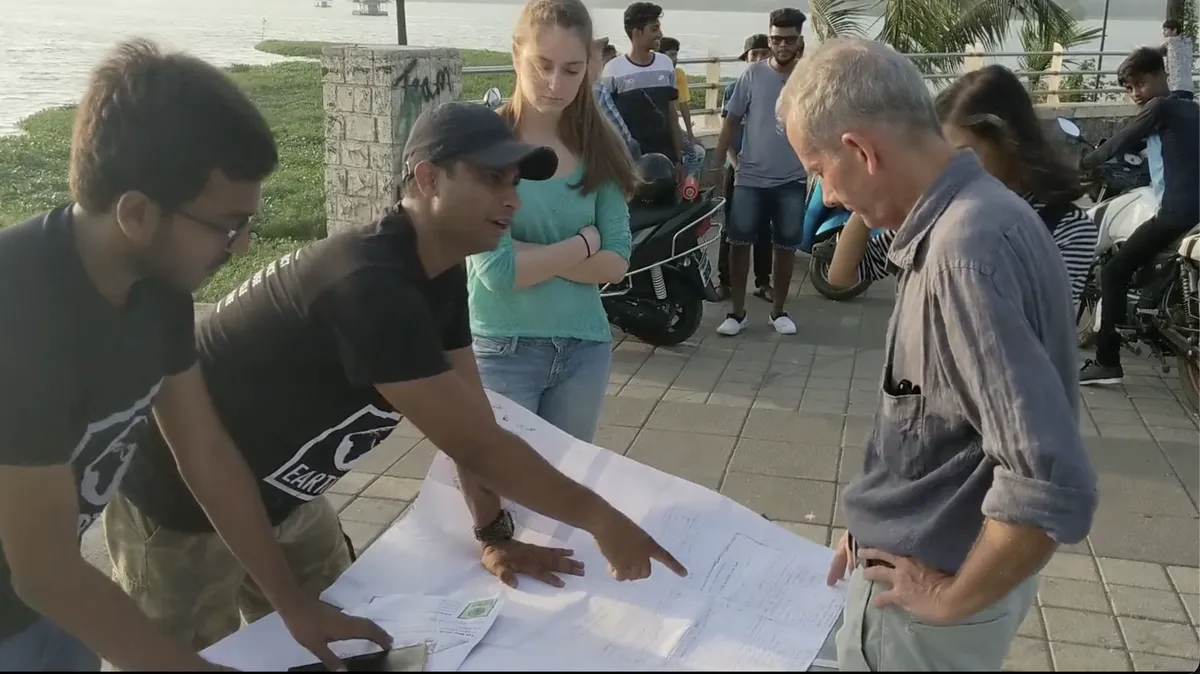
Why urban planning matters for sustainability
Plans decide where homes, roads, drains, markets and parks go, and those choices last for decades. Where a street has no space for waste collection, litter piles up. A neighbourhood with few trees gets hotter, and drains blocked by waste flood in the monsoon. Planners look at these problems together and decide what to fix first, using data and the views of the residents who live with the results.
Earth5R works in 150+ Indian cities. In neighbourhoods, its teams run door-to-door household surveys and train housing societies to segregate and compost waste. It also holds street hackathons where citizens propose climate solutions. The Earth5R app records household surveys and other field data with photos and geo-tags. As a fellow you use the same methods to study one neighbourhood in detail.
This work links to the UN Sustainable Development Goals: Goal 11, Sustainable cities and communities and Goal 13, Climate action.
Available projects in the urban planning internship fellowship
You join Earth5R’s live work through your own subject. Your mentor shapes the final project with you.
Neighbourhood waste map
Map bins, collection points and garbage black spots in your neighbourhood with geo-tagged photos, then plan where new bins or collection routes would help residents most.
Green space and street heat
Record trees, parks and open plots in a neighbourhood, compare your map with satellite images, and propose where new planting or shade would cool streets and homes.
Walking and transport audit
Survey footpaths, crossings and bus or auto-rickshaw stops along a busy street, ask residents how they travel, and plan safer routes for people on foot and on bicycles.
Planning with residents
Run a small street hackathon or lane meeting with residents, collect their ideas for the neighbourhood, and turn them into a short plan with priorities and rough costs.
What you do in the field
- Walk your neighbourhood and record what you see with photos and notes
- Run household surveys on waste, travel and green space
- Make maps from geo-tagged field data and public maps
- Read the development plan or master plan for your area
- Hold a meeting with residents to test your ideas
- Write a short neighbourhood plan and present it in a research conversation
Skills you build
On a urban planning internship, you collect your own data near where you live, using the Earth5R app and data forms. Earth5R checks the data on its platform before it goes into your project report.
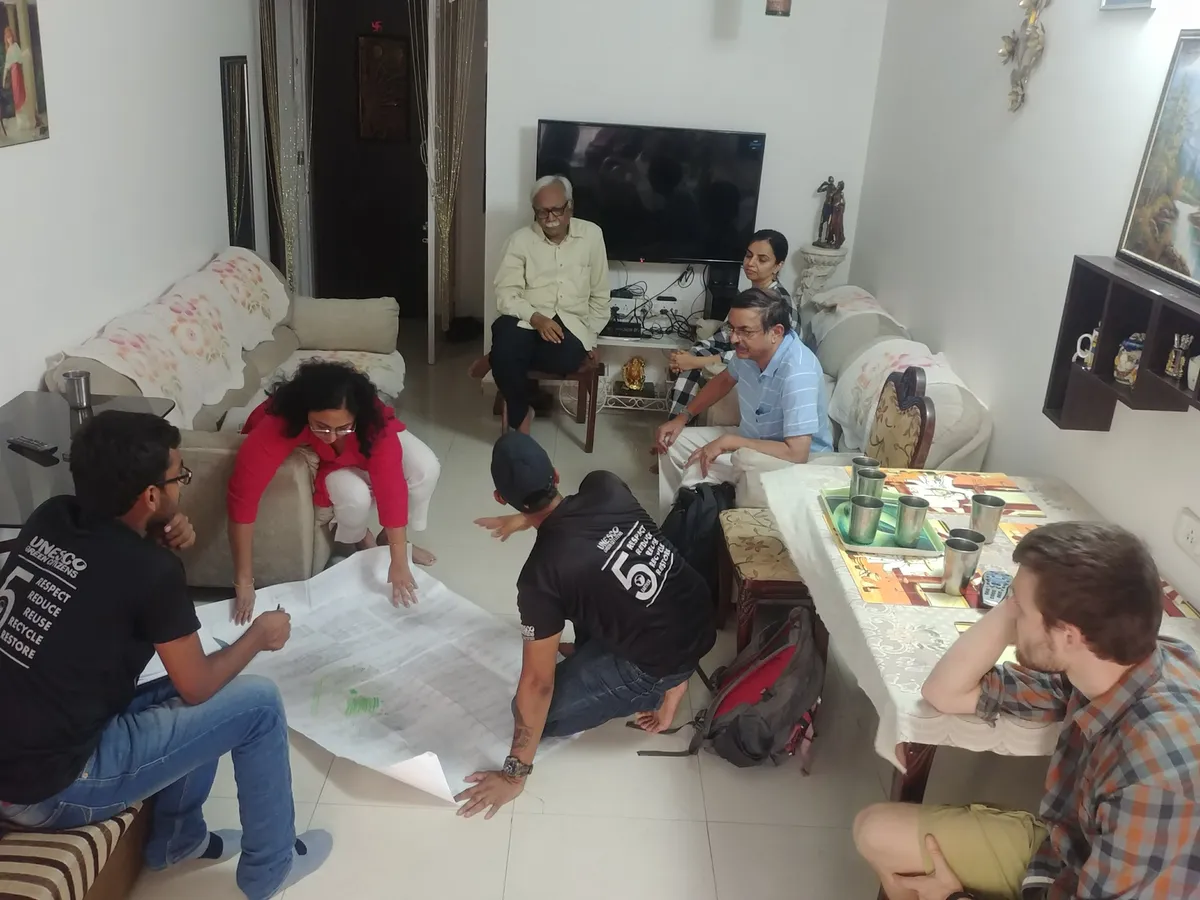
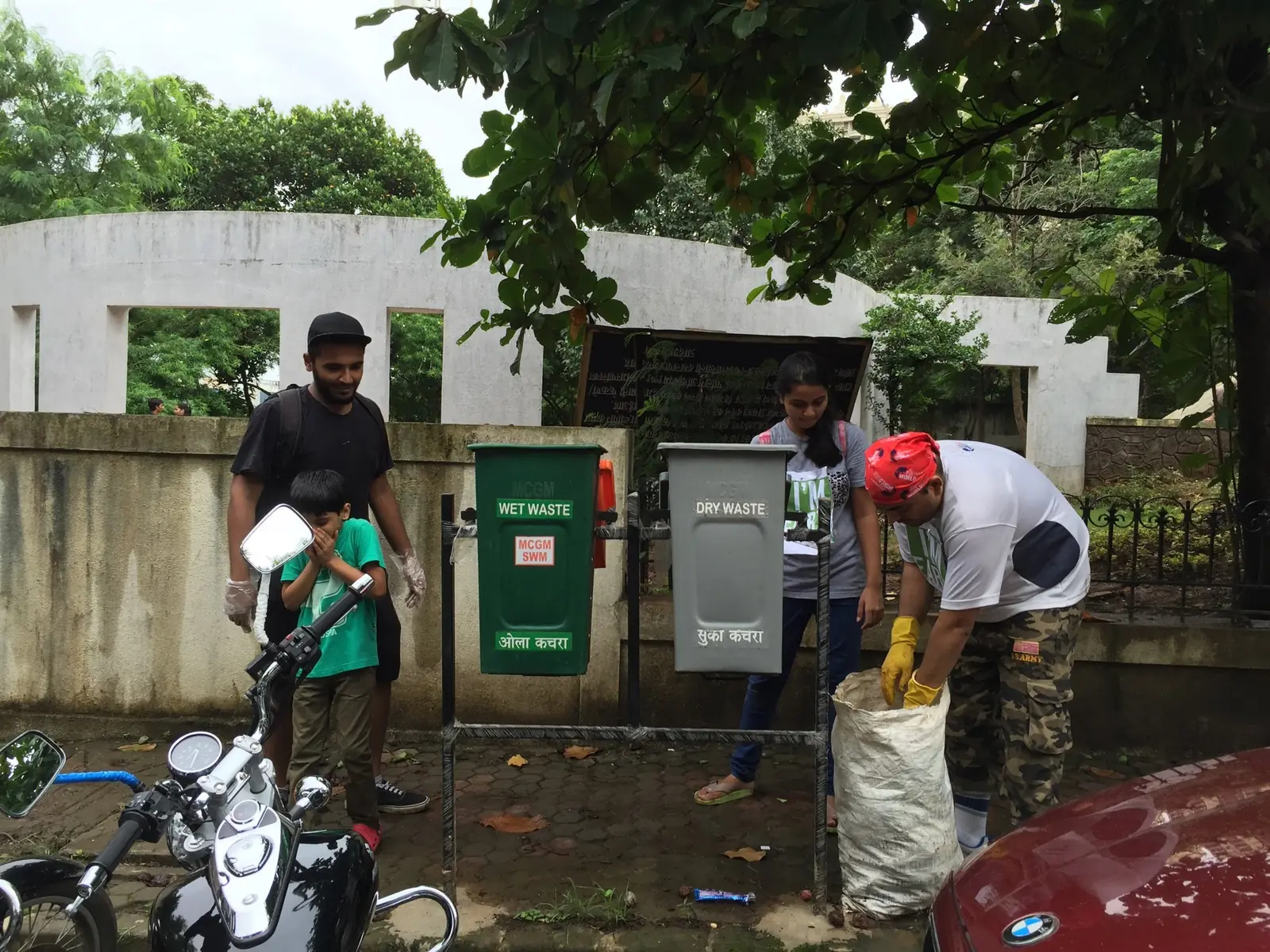
How the urban planning internship fellowship works
Every fellow moves through four phases. Each phase is checked by your mentor before you move on.
Observe and Map
Go into the field near where you live and collect primary data for your project in Urban Planning.
Frame and Design
Find the root cause in your data and frame a problem worth solving, with your mentor.
Model
Build a working model, analysis or design for your solution, and test it.
Build and Deploy
Put your solution to work, measure the result and publish a verified record on earth5r.org.
Along the way you take part in research conversations with professors at MIT, Oxford, Cambridge, LSE and other universities, and ask your own questions. See how FIELDWORK works.
Where this can take you
Degrees this work supports
- BA or BSc in Geography, Economics or Urban Studies
- Bachelor of Planning (BPlan)
- Master of Urban Planning or City Planning (MUP, MCP)
- Master’s in Urban Design
- MSc in Sustainable Urban Development
Careers in this field
- Urban planner
- Transport and mobility planner
- Urban policy researcher
- Climate resilience planner for a city
- Urban development consultant
Universities known for Urban Planning
Strong urban planning programmes look for applicants who have studied a real place closely and can explain what should change and why. A fellowship project gives you field data, maps and a plan your mentor reviewed, along with a public record of the work. Students use a urban planning internship to build a record of real work for applications to universities like these.
Massachusetts Institute of Technology (MIT)
USA · Department of Urban Studies and Planning (DUSP)
MIT’s Department of Urban Studies and Planning offers undergraduate, master’s and doctoral programmes that join academic study with planning practice. Its groups include Environmental Policy and Planning, City Design and Development, Mobility and Urban Data Science. Labs such as P-REX study environmental problems caused by urbanisation, and the Resilient Communities Lab studies coastal communities.
USA · Department of Urban Planning and Design, Graduate School of Design (GSD)
The Department of Urban Planning and Design at Harvard GSD offers the Master in Urban Planning, an accredited two-year professional degree, along with post-professional degrees in urban design and a Master in Real Estate. Research centres at the school include the Joint Center for Housing Studies and the Harvard Center for Green Buildings and Cities.
University of California, Berkeley
USA · Department of City & Regional Planning (DCRP), College of Environmental Design
Berkeley’s Department of City & Regional Planning offers a BA in Urban Studies, a minor in city planning, the Master of City Planning and a PhD. The two-year accredited MCP prepares students to make cities sustainable, equitable and accessible, with attention to the human impacts of planning decisions. Its parent college lists climate solutions among its research themes.
University of California, Los Angeles (UCLA)
USA · Department of Urban Planning, Luskin School of Public Affairs
Urban Planning at UCLA Luskin offers a two-year Master of Urban and Regional Planning (MURP), a PhD in Urban Planning and a double degree with Sciences Po in Paris. The MURP can also be combined with degrees in public health, business, architecture or law. School research centres include the Institute of Transportation Studies and the Luskin Center for Innovation.
USA · Department of City & Regional Planning, Stuart Weitzman School of Design
Housed in the Weitzman School of Design, Penn’s Department of City & Regional Planning offers the Master of City Planning, the Master of Urban Spatial Analytics and a PhD. The MCP can be paired with degrees including architecture, environmental studies, public health and law. The department describes planners’ work on migration to cities, housing, climate change and environmental damage.
USA · Department of City and Regional Planning, College of Architecture, Art, and Planning (AAP)
Cornell’s Department of City and Regional Planning offers a BS in Urban and Regional Studies, a Master of Regional Planning and an MS in Regional Science. Faculty and students work on climate adaptation, sustainable transport and infrastructure, affordable housing, economic development and environmental justice. They analyse cities with GIS, urban data analytics and spatial and statistical methods.
University College London (UCL)
UK · The Bartlett School of Planning, Bartlett Faculty of the Built Environment
The Bartlett School of Planning is part of UCL’s Bartlett Faculty of the Built Environment. It runs undergraduate, taught master’s and doctoral programmes in which students study the form, planning, design and management of cities. Recent research and events cover transport and infrastructure systems, housing, regeneration and the use of AI in city planning.
London School of Economics and Political Science (LSE)
UK · Department of Geography and Environment
LSE’s Department of Geography and Environment works in economic and urban geography, urban planning, environmental social science and climate change. It offers undergraduate, master’s and PhD study, with field trips that build research skills. Research covers economic geography, environment and urbanisation, and planning and development.
Delft University of Technology (TU Delft)
Netherlands · Department of Urbanism, Faculty of Architecture and the Built Environment
At TU Delft, the Department of Urbanism treats urbanism as an interdisciplinary planning and design activity. Its core themes include sustainable urbanisation, climate adaptation, circularity and digitisation. Planners and urban designers work with engineers, data scientists, sociologists, geographers and ecologists, following what the department calls the Delft Approach to Urbanism.
National University of Singapore (NUS)
Singapore · Master of Urban Planning, Department of Architecture, College of Design and Engineering
NUS’s Department of Architecture runs a two-year, full-time Master of Urban Planning built around core courses, electives and planning studios. The programme is organised around densification, technology, sustainability and social engagement. Singapore and other Asian cities serve as test cases, and students can join overseas field trips and internships.
This list is for guidance. These universities are widely known for Urban Planning. Earth5R has no admissions arrangement with them, and admission decisions rest with each university. Fellows get help researching universities, scholarships and applications, depending on the programme.
What your fellowship fee pays for
An internship fellowship at Earth5R is time and attention from senior researchers and leaders. Each part below takes staff time and resources that we set aside for every fellow.
Live mentoring with experts
One-to-one mentoring in most fellowships, with regular check-ins on your project.
Dialogues with global researchers
Academics from international universities and renowned scientists, who answer your questions and discuss your work.
Support in the field
Guidance while you collect data and work on your project in the field.
References for your next step
References when you apply for jobs, higher studies and research programmes.
Your work, hosted for life
Your work and data stay on Earth5R’s website and servers for life, where universities and employers can check them.
Time from senior people
Each fellow receives time and attention from senior researchers and leaders, set aside for them.
Fee details available on request.
Choose your fellowship
The fee pays for live mentoring, dialogues with global researchers, support in the field, references and lifelong hosting of your work. Fee details available on request.
Urban planning internship: common questions
What will I do in this urban planning internship?
You’ll pick a neighbourhood near you, record its waste, transport or green space, and ask residents what they need. With your mentor you turn this into maps and a short plan, and you present it in a research conversation.
Do I need GIS or mapping software?
No. Many fellows start with paper maps, photos and online maps. Your mentor shows you how to put geo-tagged field data on a map, and students who already know GIS can use it for more detailed analysis.
Is an urban planning internship a good start before a planning degree?
Planning degrees ask students to study real places and work with communities. This fellowship gives you one such study, with field data, a reviewed plan and a verified record on earth5r.org. Admission decisions rest with each university.
Is the urban planning internship fellowship paid?
Yes. It is a paid, mentored internship fellowship. The fee pays for live mentoring, dialogues with global researchers, support in the field, references and lifelong hosting of your work. Fee details are available on request.
Can I do this urban planning internship online?
Yes. FIELDWORK runs online, and your field work takes place near where you live. Your mentor guides you through each step.
Who can apply?
School and university students from India and other countries. The fellowship prepares you for university, postgraduate study and work.
What do I get at the end?
A certificate, a letter of recommendation, a project report and a verified profile on earth5r.org, where universities and employers can check your work.
Apply for the urban planning internship fellowship
Work on a live Earth5R project in Urban Planning with a mentor, take part in research conversations with global researchers, and build a verified record of your work. Fee details available on request.