Many Indian families start the study abroad conversation with money, not with clubs or essays. A Class 11 student asks for an Ivy League road map while already worried about cost. A young person raised by a single mother asks whether going abroad just after Class 12 is even possible. Others want to know what the United Kingdom expects on deadlines, tuition deposits and visa funds. This article starts there, and it offers a sustainability first answer to the profile question that follows. You do not need an expensive programme overseas to show real work. Low cost environmental and climate field research near home, on waste, water, air, local biodiversity, the circular economy or community surveys, can become a record a university can actually check.
Earth5R is not an admissions consultancy. FIELDWORK is a research fellowship for school students who join live environmental field projects already running on the ground. A documented sustainability profile does not replace savings, loans or need based aid. It also does not guarantee admission or a scholarship. What it can do is give a money tight student something real to show when a competitive university, or a tight funding process, looks beyond marks.
How this article was built
This piece draws on two listening corpora gathered for FIELDWORK content work in mid November 2026. It is not a survey of all Indian applicants, and the theme counts below are not national estimates.
The first corpus is Quora questions gathered on 12 Nov 2026. The questions include an Ivy League road map for an Indian Class 11 student with financial issues, studying abroad after Class 12 as a lower middle class student raised by a single mother, United Kingdom undergraduate deadlines, deposits and financial requirements, and whether a student can join a high school research programme without previous research experience.
The second corpus is a Reddit listening digest covering about 10 AM on Monday 9 Nov 2026 to about 10 AM on Thursday 12 Nov 2026, India time. That digest found 10 school level posts from Indian students or families, plus 4 posts from international school students whose country was not stated, which were listed separately and not counted. Themes were coded with overlapping labels, so one post can sit in more than one theme. In that window, country choice and what to do after Class 12 appeared in 3 posts. Weak or unsure extracurriculars appeared in 2. Parents and stream pressure appeared in 2. Boards and school marks appeared in 2. Costs and scholarships appeared in 2. No confirmed Indian school post in that window asked about recommendation letters. Statement of purpose questions were quiet among confirmed school level posts.
Coverage was incomplete. Several subreddits were rate limited. The r/ApplyingToCollege feed only reached back about 16 hours because it caps at 100 posts. Treat the counts as a snapshot of what showed up in that verified window, not a representative sample, and not proof that one theme causes another.
Quoted lines below are taken from those public questions and posts. Handles are omitted. Each quotation carries its original URL. Where the corpus only supports a close summary, the line is labelled as a paraphrase.
The questions families are asking first
Money comes before dreams in the questions students are writing in public. That is not a lack of ambition. It is a family trying to stay honest about what they can pay. The useful second question is how a student can still build a checkable profile without spending money the family does not have. Near home climate and environmental field research is one of the few answers that stays both honest and affordable.
“What would be an ideal road map to enter into an Ivy League as an Indian student in class 11 having financial issues?”
Under questions like this, older answers can sound final. One related answer says that unless a student is demonstrably one of the best applicants from their entire country, the chance of admission is “virtually zero”. A closed door is not a plan. A better next step is to read current aid policies, run the numbers with a parent, and spend Class 11 and Class 12 on environmental work a university can verify, done close to home.
“Can we study abroad as lower middle class person (single mother child) just after 12th?”
Related answers under that question talk about costs “close to a crore rupees”. Those comments are often about later degrees, not every undergraduate route. The useful work is to pick one country, write down its real costs and funding rules, and go through the numbers together at home. While that plan takes shape, a student can still start a small sustainability study in their own street, society or village. That work does not wait for a visa, a loan or an expensive summer programme overseas, and it leaves notes you can show later.
“What should Indian students know about university application deadlines, tuition deposits, and financial requirements before applying to study in the UK?”
Paraphrase from the Reddit digest: in the same mid November window, a Class 12 student asked about a business and AI degree in Australia, whether to choose Singapore or Australia, and how scholarships, housing and earning while studying would work. A PCB student finishing Class 12 was drawn to bioinformatics and Germany, and asked whether to go abroad for a bachelor’s degree or study in India first and move later.
The pattern is consistent. Students are not only asking where they want to go. They are asking what their family can sustain. The profile they build beside that money plan should be just as careful with cost. Local climate and environmental research meets that test.
The low cost profile you can start near home
A money tight student is often told to collect activities, certificates or an overseas summer programme. Those routes can be costly, and many of them leave little a university can check. Environmental field research near home works the other way. The subject is already around you. The tools can be a notebook, a simple measuring habit, a household log and conversations with people you already live among. The output can be data, a map, a before and after result, and a written record.
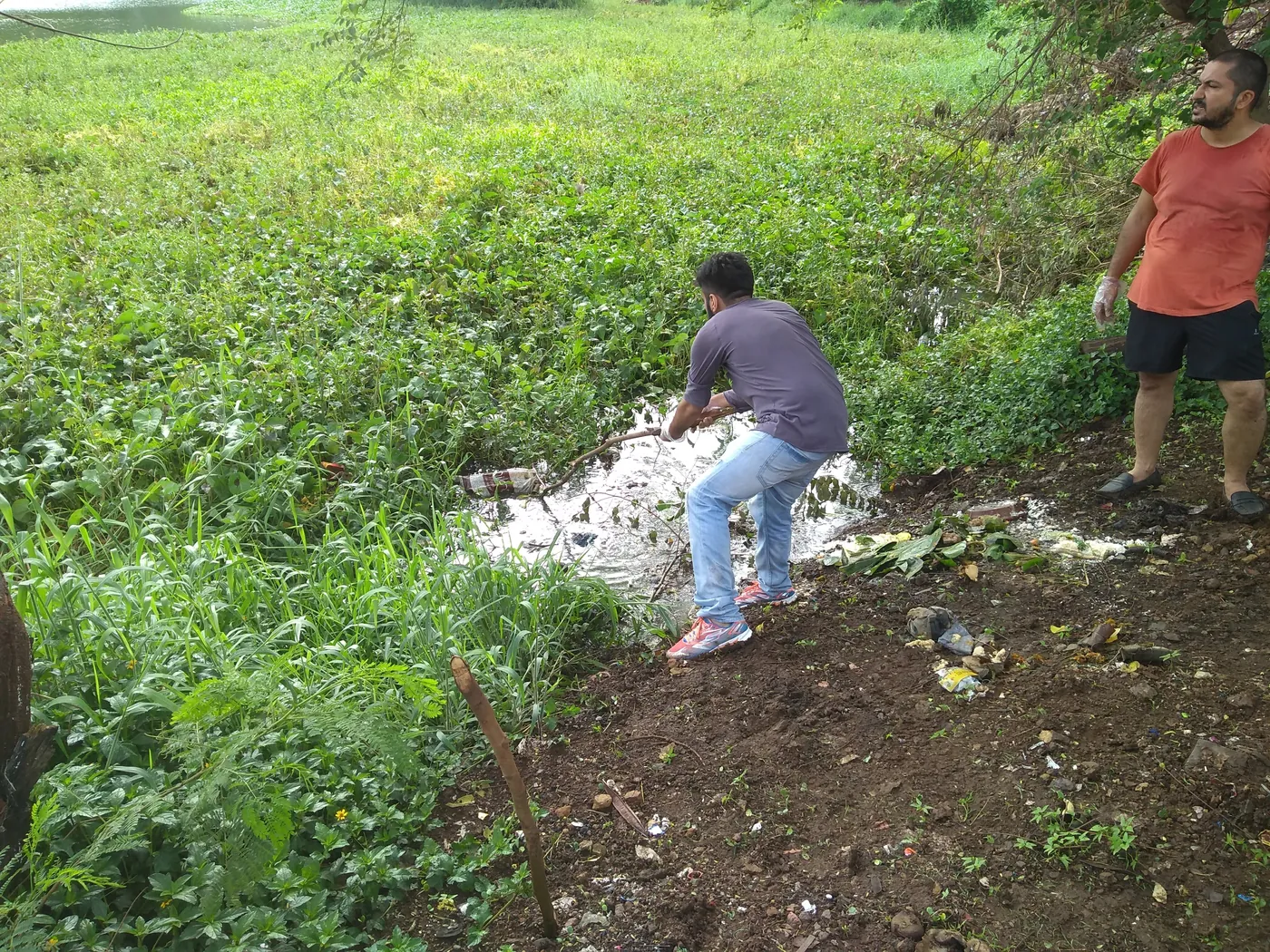
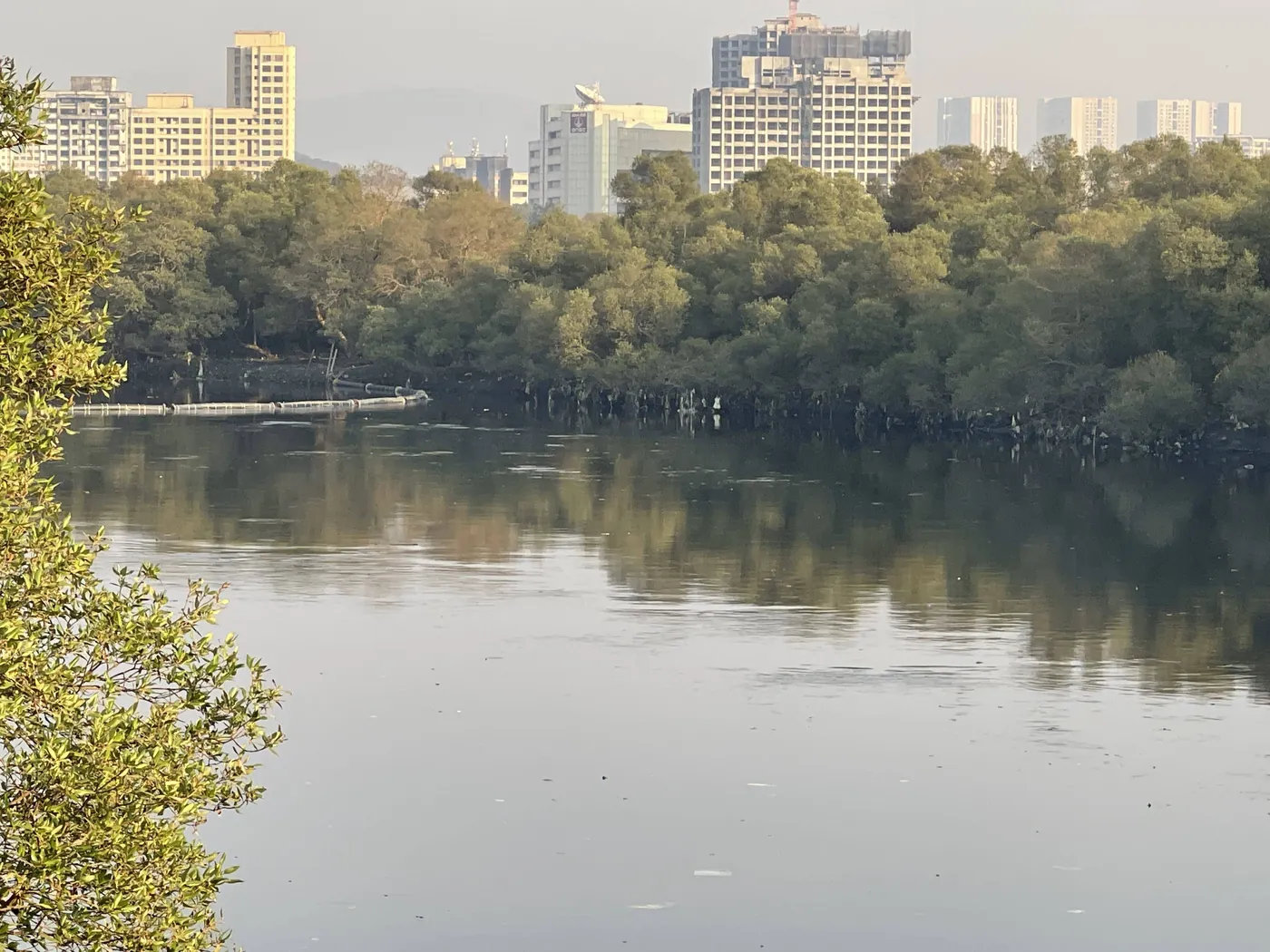
You can start with one clear question in your own surroundings. How much dry and wet waste does a household actually separate, and where does the system break down? How does water use change across a week, or how long do people spend fetching or waiting for water? What does air quality or heat feel like on your street at different times of day, if you record it carefully? What birds, trees or small green patches remain in your neighbourhood, and what is stressing them? How could a local waste stream be reused rather than thrown away? What do residents say they need, if you ask them in a respectful community survey?
These are climate and sustainability questions, not hobbies added for a form. Waste, water, heat, air, biodiversity and circular reuse are the same themes universities teach in environmental science, sustainability, development and policy courses. A student who has already measured one of them at home can write with more honesty than a student who has only read a course title.
You do not need previous research experience to begin.
“Can students join a high school research program without previous research experience?”
Most serious programmes for school students do not expect you to have published research already. They look for curiosity, a clear interest, and proof that you will do the work. A short, honest note on an environmental question you noticed around you is a stronger start than a topic copied from the internet. Look for supervision that is real, and for an output a university can check. Some programmes mainly hand you a paper topic and leave little trail. Admissions officers are becoming sceptical of claims they cannot verify. For a longer discussion of how to judge a programme, see Research Programs for High School Students: 2026 Guide.
The first project does not have to be perfect. It has to be real, close enough to home that travel does not become another bill, and documented well enough that a stranger can understand what you did.
Choose a country by its real costs, and match the work to the course
There is no single best country. There is a best fit for a family’s money, a student’s subject, and the time the family has to prepare paperwork. The path an agent pushes first is not always the one a family can actually fund. Once you have a shortlist, ask a second question. If the student is drawn to environmental science, sustainability, development, public policy or a related course, does the application file already show field work from their own place? That same record can also strengthen a personal statement or activity list for other subjects when the research question is genuine, for example a commerce student studying local waste costs or circular reuse, or a science student testing whether field data work suits them before choosing a course such as bioinformatics.
The United States and need based aid
A small number of American universities are need blind for international students and also meet full demonstrated need. That means they decide on admission without looking at whether the family can pay, and then they cover what the family cannot pay, based on a financial aid review. As of November 2026, official pages for Harvard, Yale, Princeton, MIT and Dartmouth describe policies of this kind. Read each university’s international financial aid page yourself, because policies can change. If a university publishes a cost calculator that accepts international family details, try it with your real numbers.
These places are very competitive. Marks matter, and so does a record of real work. Need based aid does not reward a long list of costly activities. It still asks whether a student has shown initiative, leadership and the ability to work with people. A verified environmental project near home, with data and a result, is a fairer way for a money tight family to show that than a programme they cannot afford. If application fees are a problem, ask about fee waivers through the Common App, and check whether each college accepts them for international applicants.
The United Kingdom, deadlines, visa funds and sustainability courses
Undergraduate applications go through UCAS. For 2027 entry, the UCAS equal consideration date for Oxford, Cambridge, and most courses in medicine, dentistry and veterinary medicine or science is 15 October 2026, at 18:00 UK time. For most other undergraduate courses, the equal consideration date is 13 January 2027, at 18:00 UK time. Check the exact date for your course on the UCAS website, because some courses differ. If you apply through school, ask your teachers early. The school has to add a reference and your predicted grades before the application can be sent.
Once you accept an offer, many universities ask for a tuition deposit before they issue your CAS, which is the Confirmation of Acceptance for Studies you need for a Student visa. Read the refund rules carefully, especially what happens if a visa is refused or you miss your grades.
For the visa itself, GOV.UK says you must show you can pay your course fees for one academic year, as stated on your CAS, plus living costs. On the official Student visa money page as read in November 2026, the living cost figures were £1,529 per month for courses in London and £1,171 per month for courses outside London, for up to nine months. These amounts can change, so read the official page before you plan. The money has to sit in the account for at least 28 consecutive days, and the end date of that period must be within 31 days of the date you apply for the visa. A student loan or official sponsorship letter can also be used when it meets the rules. This is where many families get stuck if they start late.
Full scholarships for international undergraduates in the UK are uncommon. Be realistic, and check every scholarship on the university’s own website. Be careful with anyone who asks for large fees upfront to guarantee a scholarship. No honest programme can promise that.
UK admissions are also not looking for a long American style activity list. They are looking for depth in the subject you want to study, and that depth has to appear in your personal statement and your reference. If you are applying for environmental science, sustainability, geography, development or policy, a neighbourhood field study gives you something concrete to write about: the question, the method, the people you spoke with, and what you measured. A padded club list helps almost no one.
“I was raised in India, a place where ec’s are really not emphasized and are worthless.”
That post asked whether Oxford, Cambridge, LSE and Warwick care about activities at all. The honest answer is that they care about evidence in the subject. Real climate or community field work is that evidence, especially when it is documented. When you later write the application, keep the writing close to the work itself. Two existing FIELDWORK guides can help: From Field Notes to Statement of Purpose and Writing From Real Climate and Community Work.
Germany, Australia, Singapore and testing a sustainability interest first
Some families look at countries where public universities charge little or no tuition, such as Germany. Living costs, health insurance and visa funds still have to be planned. For many Indian Class 12 certificates, DAAD India says direct admission to a German bachelor’s degree is usually not available. Students often complete a Studienkolleg and the Feststellungsprüfung, or complete some university study in India first. There are limited exceptions, including some internationally recognised school qualifications and, in certain science and technology cases, a valid IIT JEE Advanced result. Check your exact case on the DAAD India bachelor studies page and on the university’s own site, because each institution makes its own decision.
Paraphrase from the Reddit digest, repeated here because it is a country choice question: a PCB student finishing Class 12 was drawn to bioinformatics and Germany, and asked whether to go abroad now or study in India first. A Class 12 student asked about Australia and Singapore, including scholarships, housing and earning while studying.
If you are choosing between going abroad now or doing a bachelor’s degree in India and a master’s later, write both routes down with years, fees, living costs and language requirements. Check official university and government pages for Australia and Singapore as carefully as you would for the UK or Germany, because living costs, work rules and scholarships differ, and this article does not invent those figures.
A subject you have only met in a prospectus is worth testing first, before the family commits a large sum. A small environmental or climate project near home can tell you whether you actually enjoy gathering field data, talking to residents, and sitting with messy real world results. That is useful if you are considering environmental science, sustainability, development or policy in the UK, Germany, Australia or Singapore. It is also useful if you are still deciding, because the work itself will show you whether the interest is real.
A simple money and field work timeline you can start this year
You do not need a consultancy to make a first plan. A notebook and official pages are enough to start. Keep the money sheet and the environmental research log in the same folder, so the family can see both sides of the plan at once.
- In Class 11, or as early in Class 12 as you can, pick one or two countries and write a one page cost sheet for each. Include tuition, living costs, flights, visa fees, health cover, deposits and application fees.
- Open the official aid, scholarship or public university pages for those countries, and note what is need based, merit based, rare, or not available for undergraduates.
- If the UK is on the list, put UCAS dates, school reference dates, deposit dates, loan paperwork and the 28 day visa funds rule on one calendar. Work backwards from the visa, not forwards from the application form.
- If the United States is on the list, shortlist only the colleges whose current international aid policy your family can actually use, then try any official calculator that accepts international family details.
- If Germany or another lower tuition country is on the list, check entry rules for an Indian Class 12 certificate before you fall in love with a course title.
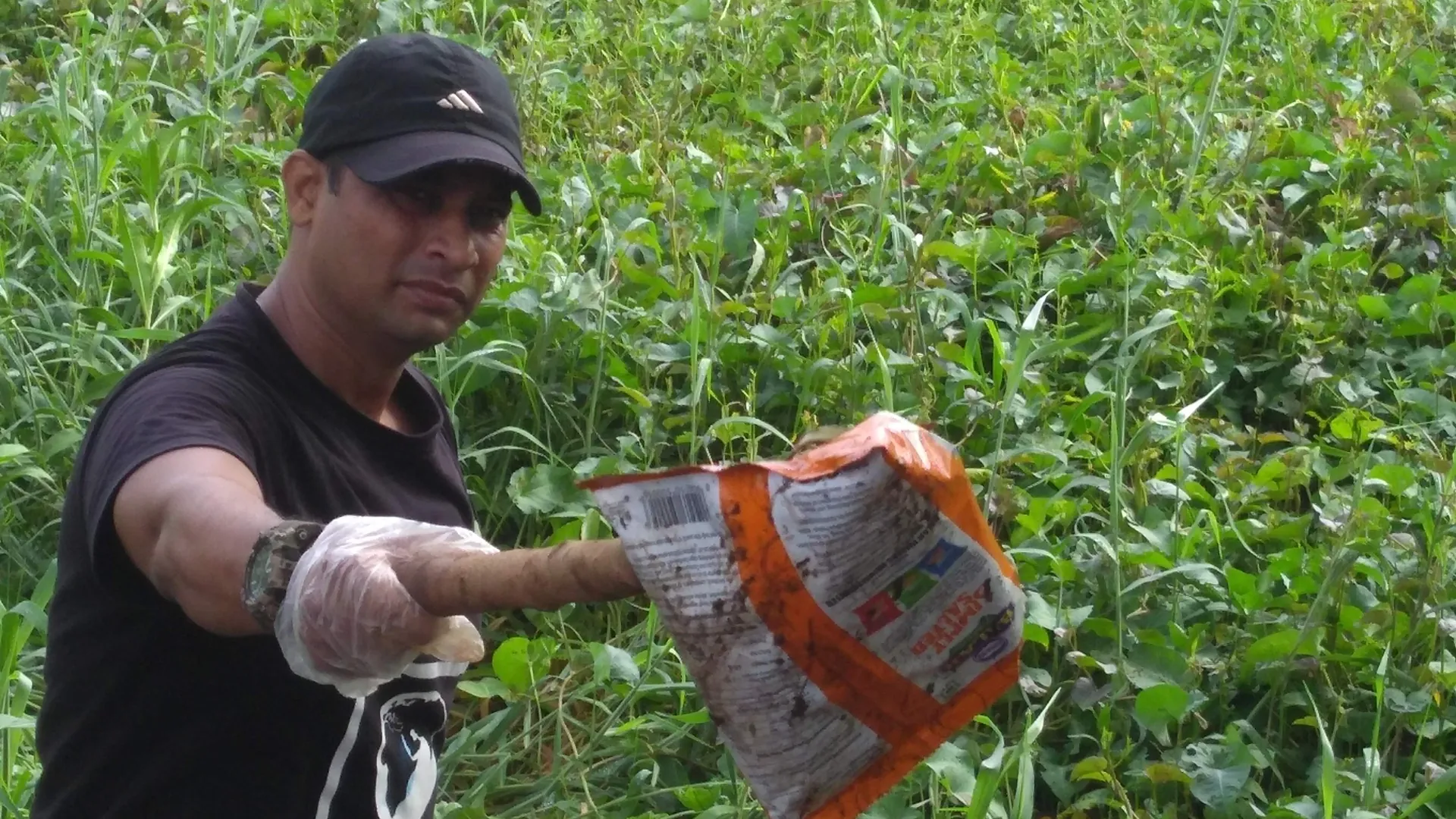
- In the same week you start the cost sheet, choose one near home environmental question. Waste, water, heat, air, local biodiversity, circular reuse or a community survey are all valid starting points. Write the question down, decide what you will measure, and begin a dated log.
- Keep every offer letter, deposit receipt and bank statement in one folder, and keep field notes, photos of your own work, and simple data tables in another. Visa and aid reviews ask for proof. So do strong applications.
This planning sits beside your school year, not in place of it. Marks still matter. Preboards and boards need a clear share of your time. The money work is mostly reading, writing figures down and asking a parent to review them with you. The field work can shrink during exam months and continue when the calendar opens again. Universities can read a shorter, honest environmental record. They cannot read a burnt out year.
If school has only been about exams
A public post from a BTech student, not a school student, still describes the school years with painful accuracy.
“Since childhood all I did was give exams and chase deadlines. Now people tell me to follow your passion, but I have nothing.”
You do not find an interest by staring at a blank page, and you do not need money to go looking for one. You find it by standing in a real place, asking a small environmental question, and writing down what you see. A household waste diary, a water use log, a short study of heat or air on your street, a simple look at food waste at home, or a respectful survey of neighbours can be enough to start. Passion, in this sense, is not a speech. It is attention that lasts long enough to produce evidence.
Paraphrase from the Reddit digest: an older sibling asked for help because a Class 10 student wanted Commerce, while the parents wanted PCM. Another student, not drawn to the usual entrance exam route, was unsure what came next. An Indian commerce student with a year left before applying asked which extracurriculars to focus on for a recognised undergraduate programme in finance or a quantitative field. In the same window, one student could not focus with preboards a month away, and another worried that internal marks felt unpredictable.
Family conversations about stream choice get easier when there is something concrete to discuss, not only a fear of missing a safer path. A commerce student can study a local market, household costs or a circular reuse question with the same seriousness a science student brings to water or biodiversity. Exam months still come first. A small project can pause or shrink during preboards, then continue later.
Where FIELDWORK fits
If you want a mentored way to do this kind of environmental work, FIELDWORK is Earth5R’s research fellowship for students. The description below follows the live FIELDWORK page, not a brochure claim beyond it.
FIELDWORK is for students in Grades 9 to 12, and it runs in 38 subjects. Fellows join real Earth5R field research already on the ground, led by working scientists, rather than inventing a practice project to look busy. The work is independently verified and published as a permanent public record that a university can search. Visibility is student controlled. Admissions are rolling, and a fellow starts the week they are accepted, with no waiting for a batch.
Every fellow moves through the same four phases: Observe and Map, Frame and Design, Model, and Build and Deploy. Each phase is gated and independently assessed. In the Observe and Map phase, students go into the field, gather primary data, and map the real system before proposing a solution. Later phases look for a root cause, a working model, and a deployed result with measured impact. Mentorship is merit based. The lead mentor is a working scientist with research experience at NASA and Columbia University.
Live examples on the FIELDWORK page include household waste work in a Mumbai neighbourhood, a study of how data centres, water shortages and women’s time are linked in Maharashtra, and research on climate and basmati rice across the Gangetic Plain. The same page also describes a student project that turned plastic collected from Powai Lake into 450 benches and desks for municipal schools, a circular use of material that began with field collection. The page notes that the work can fit CAS, the Extended Essay and school projects. A fellowship is measured in months, not an afternoon. Fellows can return in later years, from Grade 9 through Grade 12, so the record can grow.
FIELDWORK does not promise admission, a visa or a scholarship. It offers real environmental work, independent verification and a public record a university can check. You can read the current details at earth5r.org/fieldwork.
Start with a plan you can show
If money is tight, start with the numbers for one country, then add a second only if the first route is clear. Keep your marks as strong as you can. In the same season, choose one piece of environmental field research you can finish near home and document, even if your school never treated activities as important. Write down what you observed, what you measured and what changed. That file, plus a calm money timeline, is a more honest beginning than a long list of plans you cannot fund.
You can do this without pretending the costs of studying abroad are small. Families who plan a year ahead, and students who keep a checkable record of real climate and community work, give themselves a fairer chance.
Sources and references
- UCAS, Dates and deadlines for uni applications: https://www.ucas.com/applying/applying-to-university/dates-and-deadlines-for-uni-applications
- GOV.UK, Student visa, Money you need: https://www.gov.uk/student-visa/money
- DAAD India, Bachelor Studies: https://www.daad.in/en/study-research-in-germany/studying-in-germany/bachelor-studies/
- Harvard College, How Aid Works: https://college.harvard.edu/financial-aid/how-aid-works
- Yale Admissions, International Students: https://admissions.yale.edu/international
- Princeton Admission, Cost and Aid: https://admission.princeton.edu/cost-aid
- MIT Admissions, How do international students apply to MIT?: https://mitadmissions.org/help/faq/international-admissions/
- Dartmouth Admissions, Universal Need Blind Policy: https://admissions.dartmouth.edu/apply-dartmouth/universal-need-blind-policy
- Common App, Application guide for first year students: https://www.commonapp.org/apply/first-year-students/
- Quora, Ivy League road map with financial issues: https://www.quora.com/What-would-be-an-ideal-road-map-to-enter-into-an-Ivy-League-as-an-Indian-student-in-class-11-having-financial-issues
- Quora, Study abroad after Class 12 as a lower middle class student raised by a single mother: https://www.quora.com/Can-we-study-abroad-as-lower-middle-class-person-single-mother-child-just-after-12th
- Quora, UK deadlines, tuition deposits and financial requirements: https://www.quora.com/What-should-Indian-students-know-about-university-application-deadlines-tuition-deposits-and-financial-requirements-before-applying-to-study-in-the-UK
- Quora, Joining a high school research programme without previous experience: https://www.quora.com/Can-students-join-a-high-school-research-program-without-previous-research-experience
- Reddit, Do European universities care about extracurriculars: https://www.reddit.com/r/ApplyingToCollege/comments/1xtxops/do_european_unis_not_care_about_ecs_at_all/
- Reddit, What should you do if you are not passionate: https://www.reddit.com/r/Indian_Academia/comments/1xtbi2c/what_should_you_do_if_you_are_not_passionate/
- Earth5R FIELDWORK page: https://earth5r.org/fieldwork
- FIELDWORK guide, Research Programs for High School Students: 2026 Guide: https://earth5r.org/research-programs-for-high-school-students/
- FIELDWORK guide, From Field Notes to Statement of Purpose: https://earth5r.org/how-to-write-sop-climate-field-work/
- FIELDWORK guide, Writing From Real Climate and Community Work: https://earth5r.org/college-essay-examples-climate-community-work/