
Public policy internship fellowship
This public policy internship follows one environmental policy, such as your city’s rules on waste segregation, from the policy text to the street, with a mentor who reviews your work at every step. You collect field data near where you live, compare it with what the policy promises and write a policy note with a clear recommendation.
For school and university students drawn to government, law or political science who want field data behind their policy writing. Online, with field work near where you live. The fellowship is paid because every fellow receives time and attention from senior researchers and leaders.
Why public policy matters for sustainability
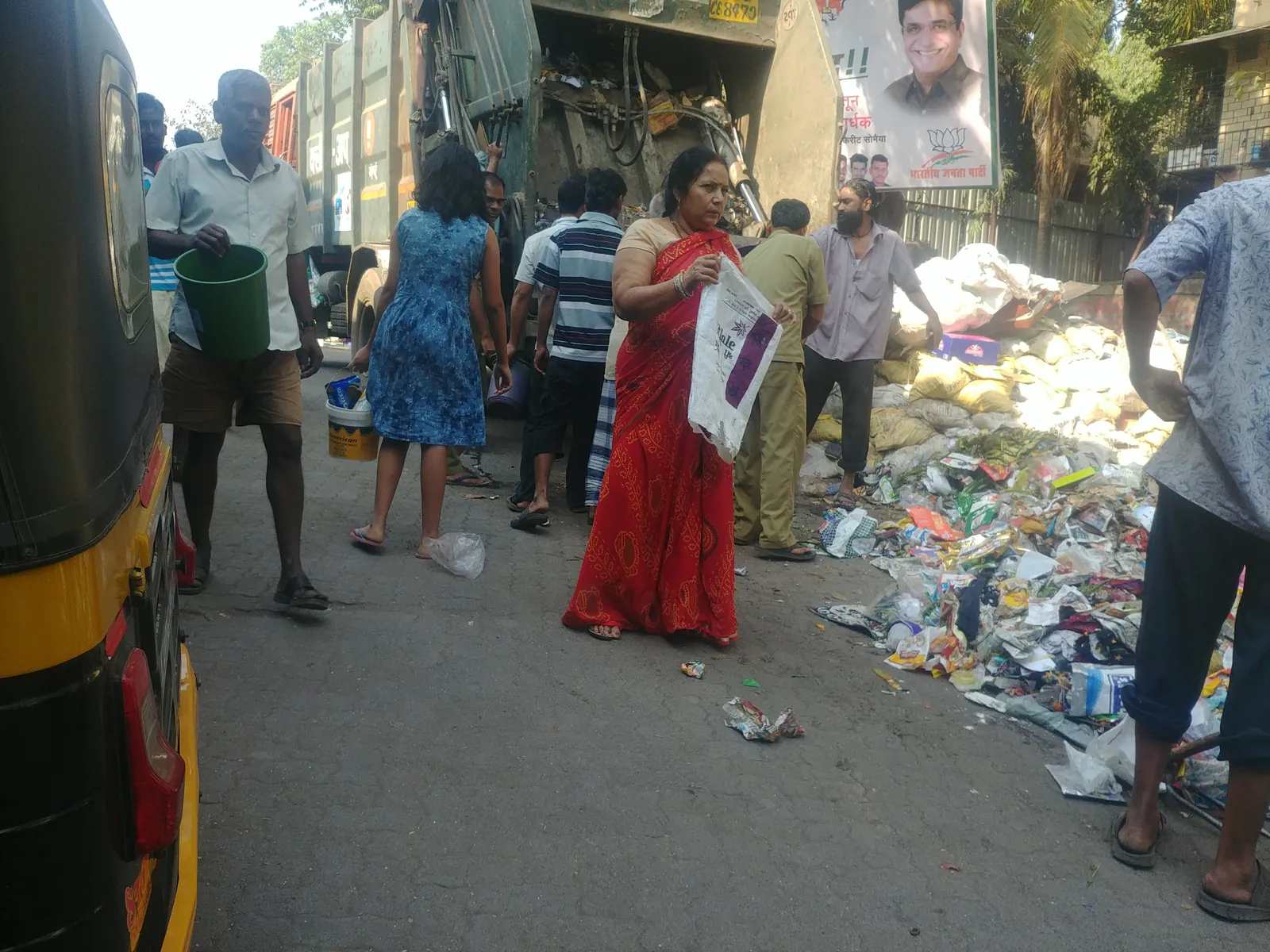
Environmental outcomes in a city depend on its rules and on how those rules are applied. In India, waste segregation, plastic use and river pollution are covered by national laws and city bylaws. Two wards under the same rule can get very different results. Policy research asks why. It studies who is responsible and where enforcement breaks down, and political science adds the question of who holds power over these choices.
Earth5R works in 150+ Indian cities, where it sees these rules from the ground. Its teams run door-to-door household surveys and train housing societies to segregate and compost waste. Waste audits and cleanup data are recorded on the Earth5R app, and at street hackathons citizens propose their own climate solutions. As a fellow you use this field work to test a policy against what residents and waste workers report.
This work links to the UN Sustainable Development Goals: Goal 11, Sustainable cities and communities and Goal 16, Peace, justice and strong institutions.
Available projects in the public policy internship fellowship
You join Earth5R’s live work through your own subject. Your mentor shapes the final project with you.
Waste rules in your ward
Pick a city or national rule on waste segregation, survey households and housing societies near you, and write a policy note on the gaps you find.
Zero waste societies as a model
Study how zero waste housing societies use composting units to manage wet waste, and assess whether a city policy could help more buildings do the same.
Who answers for a river
Map which agencies and groups are responsible for a river such as the Mithi in Mumbai or the Mula Mutha in Pune, and use cleanup records to show where responsibility is unclear.
Citizen ideas into policy
Study solutions that citizens proposed at Earth5R street hackathons, assess which ones a city could adopt, and draft a short note for a ward office or local representative.
What you do in the field
- Read the policy text and the official guidance behind it
- Survey households, shops or housing societies near you on the Earth5R app
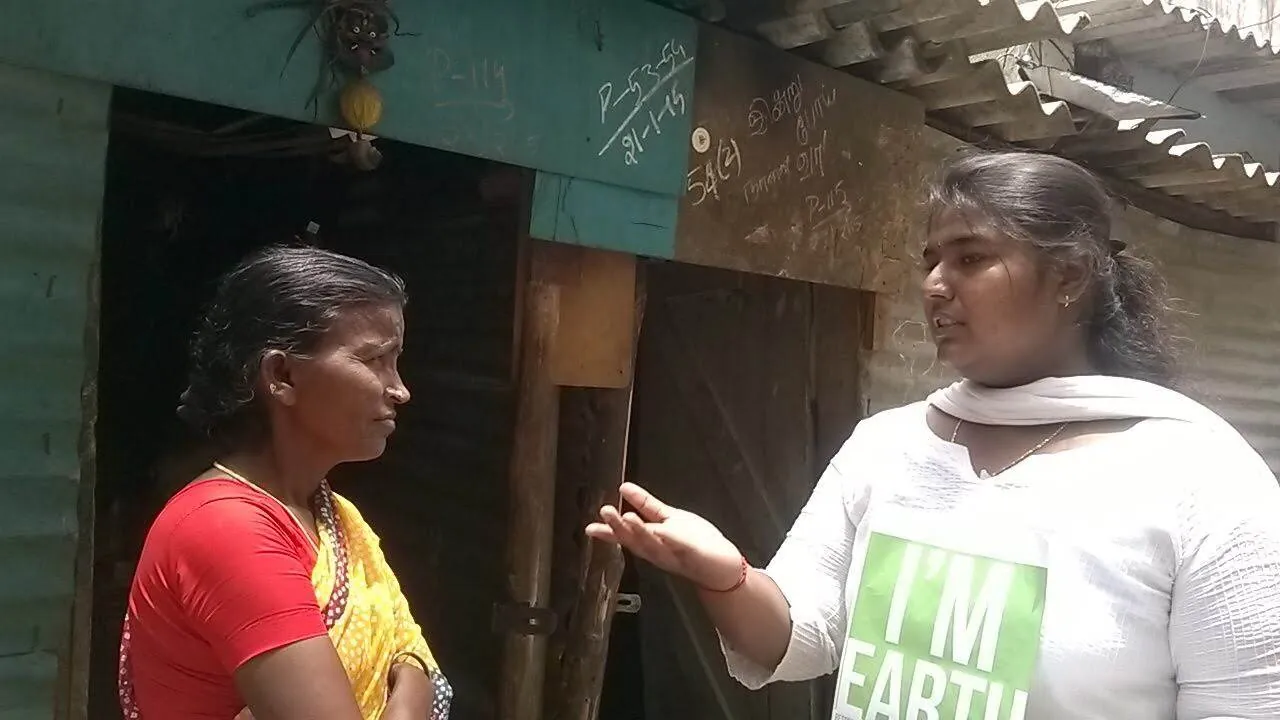
- Interview residents and waste workers about how a rule affects them
- Compare what the policy promises with what your field data shows
- Write a policy note with options and one clear recommendation
- Present your note in a research conversation and defend your choices
Skills you build
On a public policy internship, you collect your own data near where you live, using the Earth5R app and data forms. Earth5R checks the data on its platform before it goes into your project report.
How the public policy internship fellowship works
Every fellow moves through four phases. Each phase is checked by your mentor before you move on.
Observe and Map
Go into the field near where you live and collect primary data for your project in Public Policy and Political Science.
Frame and Design
Find the root cause in your data and frame a problem worth solving, with your mentor.
Model
Build a working model, analysis or design for your solution, and test it.
Build and Deploy
Put your solution to work, measure the result and publish a verified record on earth5r.org.
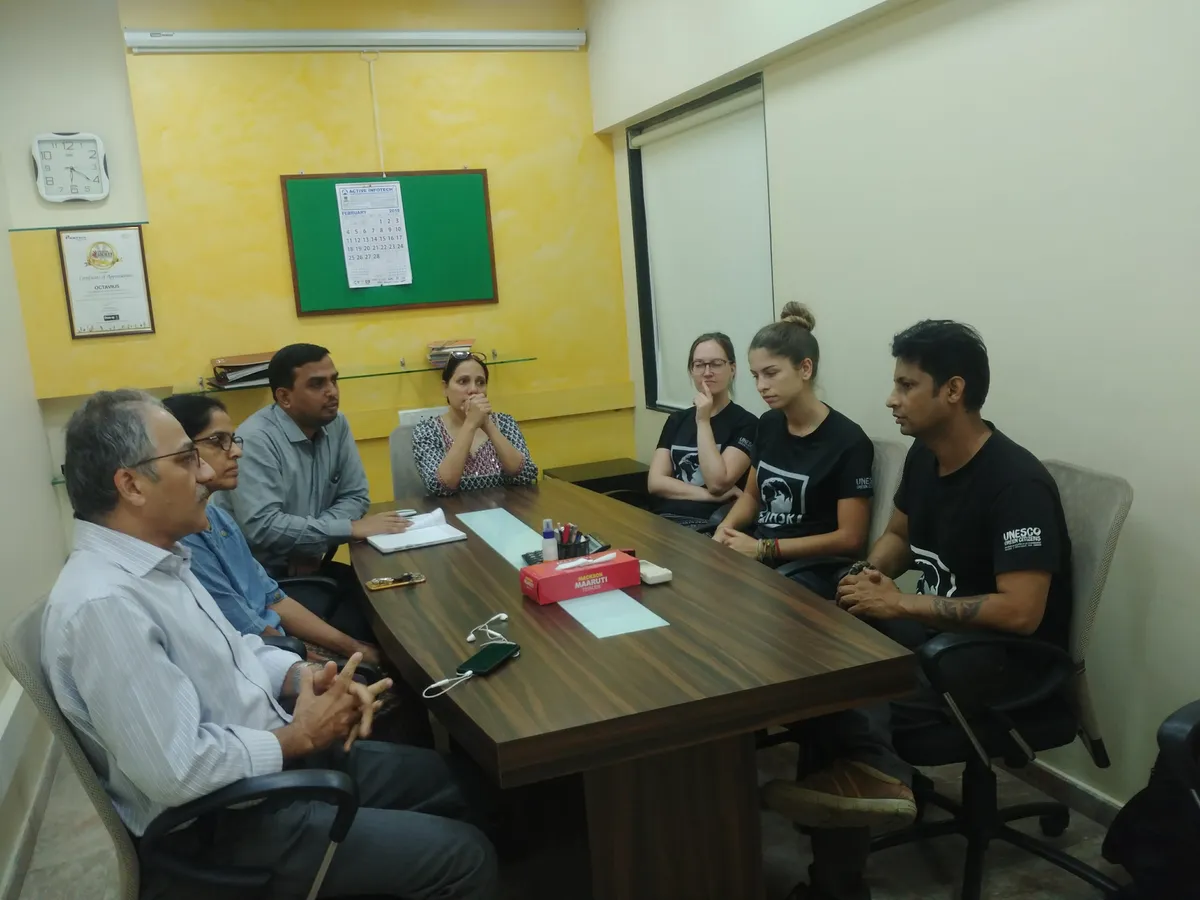
Along the way you take part in research conversations with professors at MIT, Oxford, Cambridge, LSE and other universities, and ask your own questions. See how FIELDWORK works.
Where this can take you
Degrees this work supports
- BA in Political Science or Public Policy
- BA or BSc in Economics with a policy focus
- Master of Public Policy (MPP)
- Master of Public Administration (MPA)
- MSc in Environmental or Climate Policy
Careers in this field
- Policy analyst or research associate
- Public policy consultant
- Legislative assistant to an elected representative
- Urban governance programme officer
- Environment policy researcher at a think tank
Universities known for Public Policy and Political Science
Strong public policy and political science programmes look for applicants who have studied a real problem with their own data and can write clearly for decision makers. A public policy internship with Earth5R gives you a policy note based on field work, reviewed by your mentor and listed on your verified profile on earth5r.org. Students use a public policy internship to build a record of real work for applications to universities like these.
Harvard Kennedy School, Harvard University
USA · Harvard Kennedy School (HKS)
Harvard Kennedy School offers the two-year Master in Public Policy (MPP), the MPA, the MPA in International Development (MPA/ID) and a mid-career MPA, plus doctoral programmes and executive education. Its research centres include the Belfer Center for Science and International Affairs, whose work covers environmental and resource issues and science and technology policy.
Princeton School of Public and International Affairs, Princeton University
USA · Princeton School of Public and International Affairs (SPIA)
Princeton SPIA runs an undergraduate programme along with the Master in Public Affairs, the Master in Public Policy and a Ph.D. in Public Affairs. Its Center for Policy Research on Energy and the Environment (C-PREE) studies global climate change, air and water pollution, loss of biodiversity and sustainable agriculture.
School of International and Public Affairs, Columbia University (SIPA)
USA · School of International and Public Affairs (SIPA)
Columbia SIPA offers the Master of International Affairs and the Master of Public Administration, with specialised MPAs in Environmental Science and Policy and in Economic Policy Management. It also runs an Executive MPA, a PhD in Sustainable Development and an undergraduate major in Global Affairs and Public Policy.
Harris School of Public Policy, University of Chicago
USA · Harris School of Public Policy
Chicago’s Harris School of Public Policy teaches a two-year MPP, a one-year MA in Public Policy, an MS in Computational Analysis and Public Policy, an MS in Climate and Energy Policy and a PhD. It is a partner in the Energy Policy Institute at the University of Chicago (EPIC), which studies the economic and social effects of energy policies.
London School of Economics and Political Science (LSE)
UK · School of Public Policy (SPP)
LSE’s School of Public Policy teaches master’s degrees including the Master of Public Policy, the two-year Master of Public Administration, an Executive MPA and an MPA in Data Science for Public Policy. Double degrees run with Columbia SIPA, Sciences Po and the University of Toronto’s Munk School. Courses build skills in economics, policy evaluation and political science.
Blavatnik School of Government, University of Oxford
UK · Blavatnik School of Government
Oxford’s Blavatnik School of Government teaches the one-year Master of Public Policy, a DPhil in Public Policy, an MSc in Public Policy Research and the Public Policy 1+1, plus executive programmes. Its research includes the Climate Policy Hub, which supports net zero regulation and policy through the Climate Policy Monitor, research and work with governments.
France · Sciences Po School of Public Affairs
The Sciences Po School of Public Affairs teaches the Master in Public Policy and the Master in European Affairs, along with dual degrees such as one with HEC in Corporate & Public Management. Students specialise through policy streams, which include Energy, Environment and Sustainability Policy. Its Policy Lab runs case studies, simulations and a Public Policy Incubator.
Germany · Hertie School
Based in Berlin, the Hertie School teaches the Master of Public Policy, the Master of International Affairs, a Master of Data Science and AI for Public Policy and an Executive MPA, plus doctoral programmes. Its research units include the Centre for Sustainability, and its projects include CATALYSE, which studies climate action for healthy societies in Europe.
Lee Kuan Yew School of Public Policy, National University of Singapore
Singapore · Lee Kuan Yew School of Public Policy (LKYSPP)
The Lee Kuan Yew School of Public Policy offers the Master in Public Policy, the Master in Public Administration, the Master in International Affairs, the Master in Public Administration and Management and a PhD in Public Policy. Its Institute for Environment and Sustainability develops policy solutions for environmental challenges in Southeast Asia, including through a Centre for Water Policy.
Munk School of Global Affairs and Public Policy, University of Toronto
Canada · Munk School of Global Affairs & Public Policy
Toronto’s Munk School of Global Affairs & Public Policy teaches the Master of Public Policy and the Master of Global Affairs, with dual degrees alongside Sciences Po, the Hertie School and LSE, plus undergraduate programmes. Its labs include the Citizen Lab, which researches spyware and cybersecurity, and the Innovation Policy Lab and Urban Policy Lab.
This list is for guidance. These universities are widely known for Public Policy and Political Science. Earth5R has no admissions arrangement with them, and admission decisions rest with each university. Fellows get help researching universities, scholarships and applications, depending on the programme.
What your fellowship fee pays for
An internship fellowship at Earth5R is time and attention from senior researchers and leaders. Each part below takes staff time and resources that we set aside for every fellow.
Live mentoring with experts
One-to-one mentoring in most fellowships, with regular check-ins on your project.
Dialogues with global researchers
Academics from international universities and renowned scientists, who answer your questions and discuss your work.
Support in the field
Guidance while you collect data and work on your project in the field.
References for your next step
References when you apply for jobs, higher studies and research programmes.
Your work, hosted for life
Your work and data stay on Earth5R’s website and servers for life, where universities and employers can check them.
Time from senior people
Each fellow receives time and attention from senior researchers and leaders, set aside for them.
Fee details available on request.
Choose your fellowship
The fee pays for live mentoring, dialogues with global researchers, support in the field, references and lifelong hosting of your work. Fee details available on request.
Public policy internship: common questions
What will I write in this public policy internship?
A short policy note on one environmental rule or programme. It sets out the problem, what your field data shows and the options open to the city, and it ends with one recommendation. Your mentor reviews each draft before it goes into your project report.
Do I need to study political science already?
No. The fellowship also suits students of economics, law, geography or the sciences. Your mentor gives you reading on how environmental policy is made in India, and you learn the research methods step by step as your project moves through each phase.
Can I study a policy from my own city or country?
Yes. Field work happens near where you live, so you can pick a rule that applies in your own city. Students outside India can study a local policy and compare it with an Indian one, using Earth5R’s field records.
Is the public policy internship fellowship paid?
Yes. It is a paid, mentored internship fellowship. The fee pays for live mentoring, dialogues with global researchers, support in the field, references and lifelong hosting of your work. Fee details are available on request.
Can I do this public policy internship online?
Yes. FIELDWORK runs online, and your field work takes place near where you live. Your mentor guides you through each step.
Who can apply?
School and university students from India and other countries. The fellowship prepares you for university, postgraduate study and work.
What do I get at the end?
A certificate, a letter of recommendation, a project report and a verified profile on earth5r.org, where universities and employers can check your work.
Apply for the public policy internship fellowship
Work on a live Earth5R project in Public Policy and Political Science with a mentor, take part in research conversations with global researchers, and build a verified record of your work. Fee details available on request.