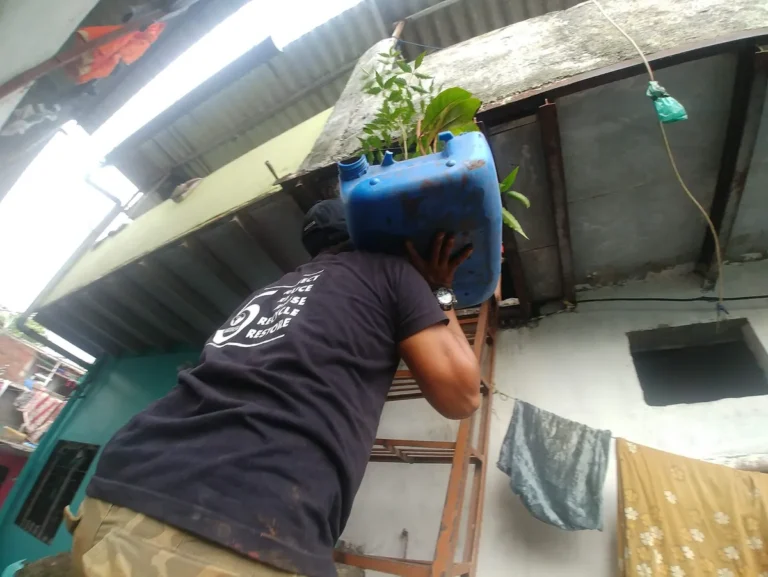
SBTi in India and Abroad: Why Ground Action Decides Whether a Target Counts
How SBTi targets work in India and abroad, what the 2026 standard asks of companies, and how field action on waste and livelihoods gives targets real evidence.

Research journal
Data-led research on climate, waste and water in India, with what works on the ground from Earth5R programmes.
How SBTi targets work in India and abroad, what the 2026 standard asks of companies, and how field action on waste and livelihoods gives targets real evidence.
India's data centre capacity is set to triple or more by 2030, much of it in cities that already struggle for water. What is known, how the risk appears in BRSR and ESG reporting, and a method for catchment water stewardship.
Most environmental damage is done by people who never meant any harm. A growing number of the world's top AI scientists warn the most powerful AI systems may come to treat us the same way, and that the time to prevent it is short.
Two AI safety researchers and two sceptics argued whether artificial intelligence could end humanity. They agreed on one thing: the companies building it are moving faster than anyone can safely manage.
Most warnings about environmental collapse come from outside the industries that cause it. Artificial intelligence breaks that pattern: some of the starkest warnings about where AI could lead come from the people who build it.
Air pollution is the largest environmental health threat India faces, and the numbers moved again this year. The State of Global Air 2025 report attributes more than 2 million Indian deaths in 2023 to air pollution, up 43% since 2000. The Lancet Countdown 2025 links…
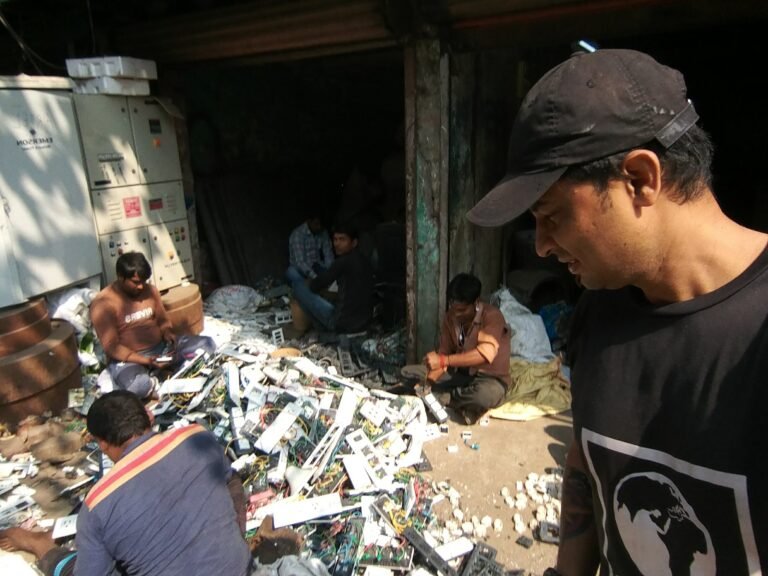
India’s official e-waste figures describe a system that is improving quickly on paper. Generation is rising, formal processing is rising faster, and the regulatory architecture has expanded to cover a wide product range. Read alone, the numbers suggest a problem being brought under control. Read…
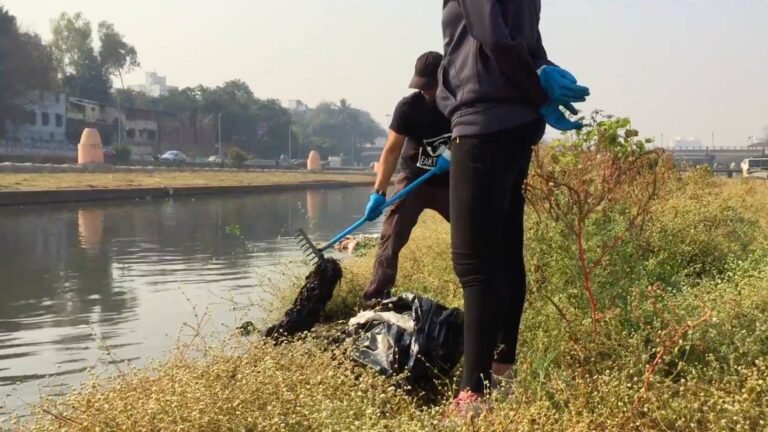
Most plastic that reaches the ocean does not travel there directly. It moves through drains, nullahs and small urban rivers that pass within a few kilometres of the households and businesses that discarded it. This is a structural insight rather than a rhetorical one: it…
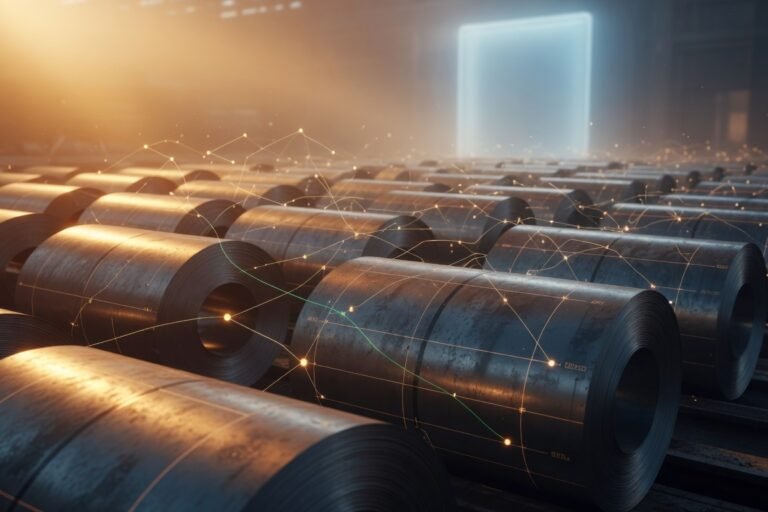
Since January 2026, CBAM — the European Union's Carbon Border Adjustment Mechanism — has put a real, invoiced price on the carbon embedded in Indian steel. For Indian steel exporters, the gap between a punishing bill and a fair one now comes down to one…