
Agriculture internship fellowship
This agriculture internship looks at how food is grown and what it costs the climate, with a mentor who guides your field work and your analysis. You study composting, urban farming or soil health near where you live, and learn the basics of measuring the carbon impact of farming practices.
For school and university students interested in farming and food who want to study how growing food affects the climate. Online, with field work near where you live. The fellowship is paid because every fellow receives time and attention from senior researchers and leaders.
Why agriculture and food systems matter for sustainability
Farming depends on a stable climate, and farming practices also add to climate change. Soils treated with nitrogen fertiliser give off nitrous oxide, and flooded rice fields release methane. Soil with more organic matter, for example from compost, holds more water and carbon. Shifts in heat and rainfall change what farmers can grow and when. Agricultural science helps farmers choose practices that protect yields and cut emissions.
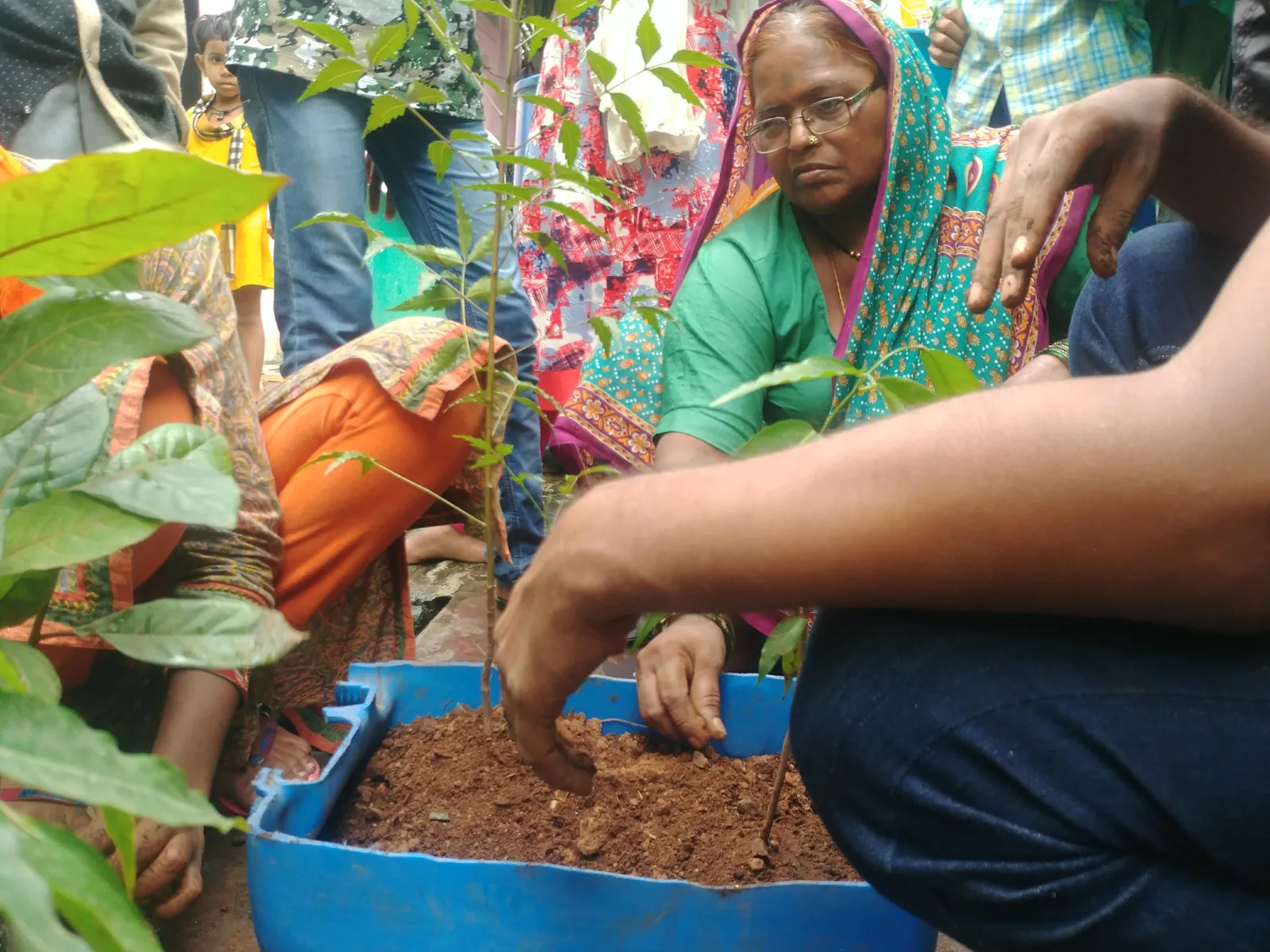
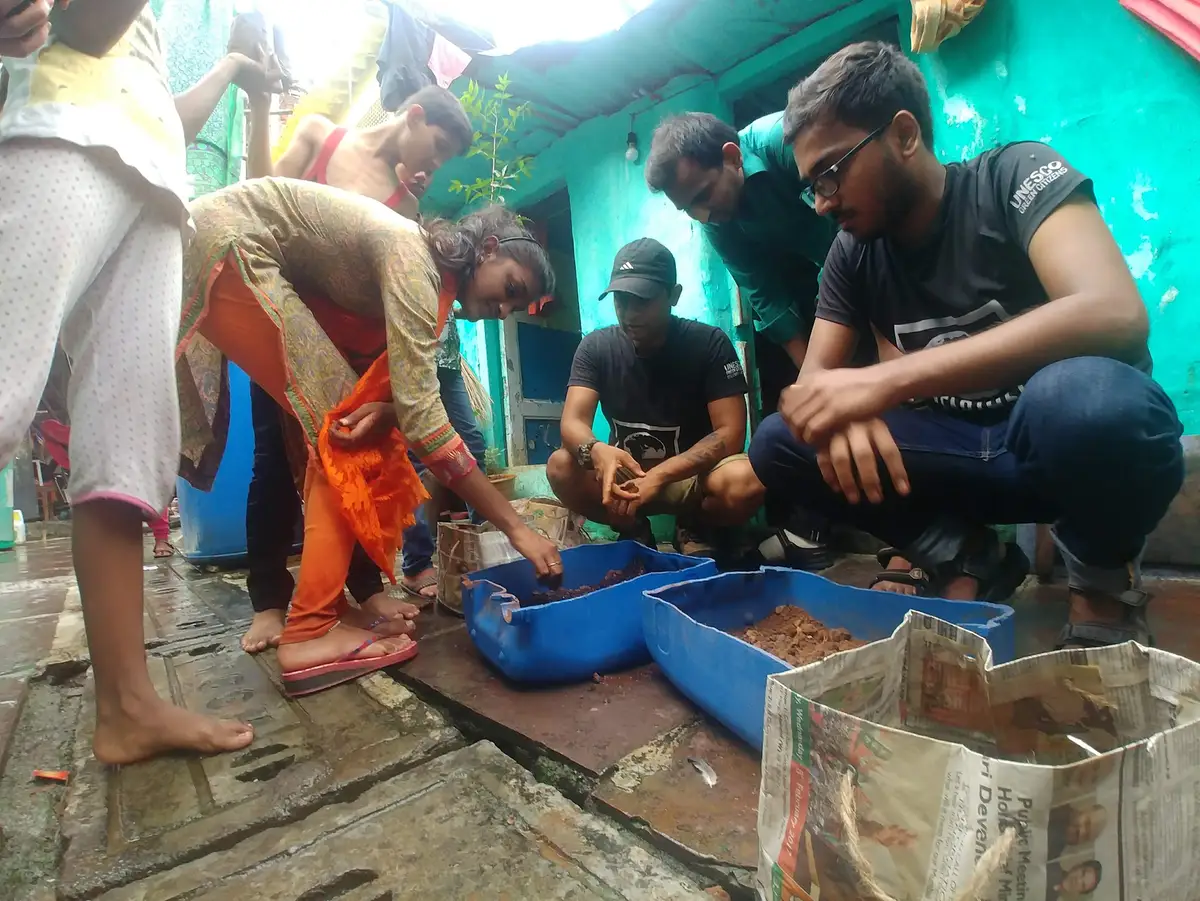
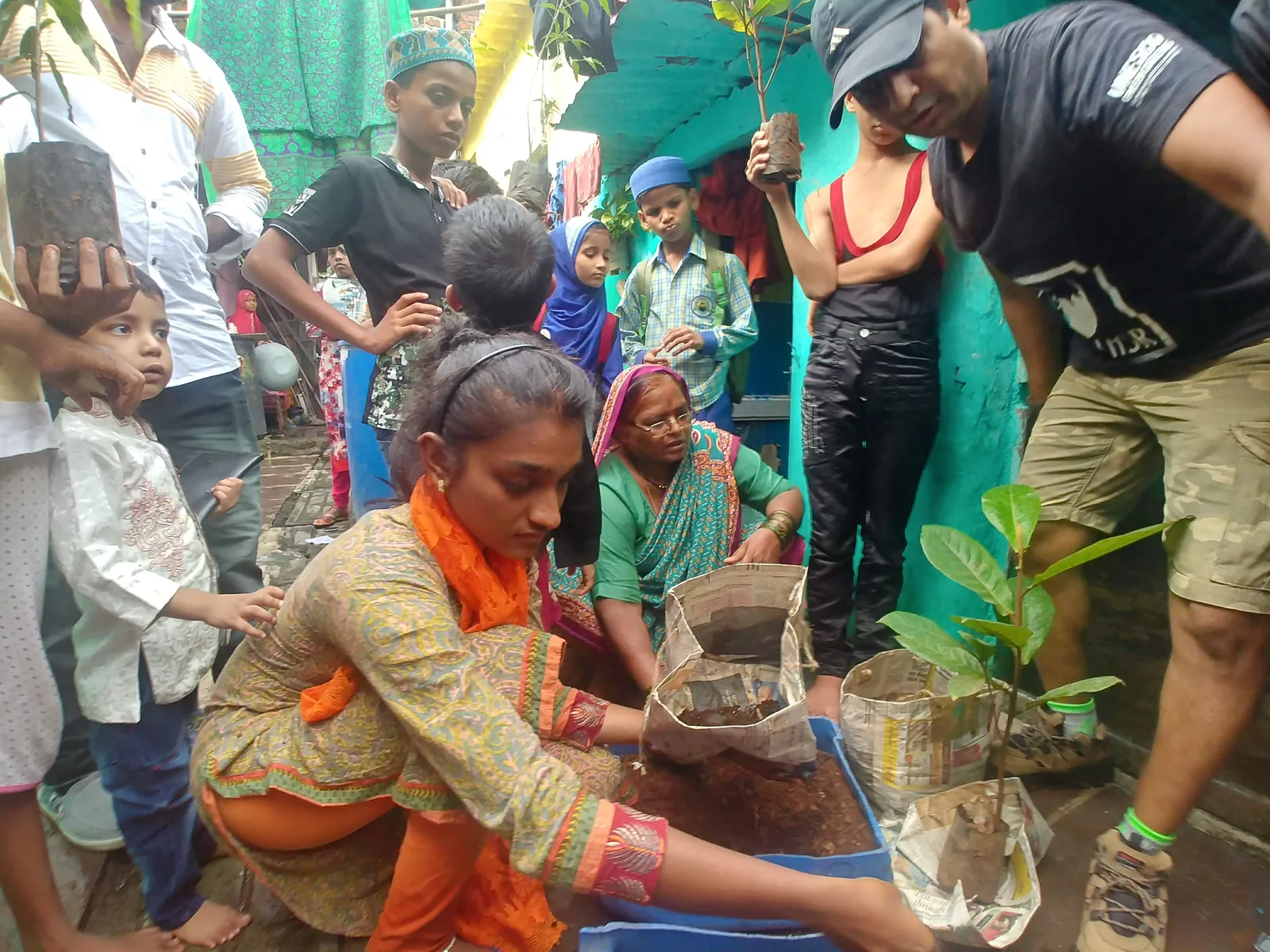
In zero waste housing societies, Earth5R’s drum composters, made from reused industrial containers, turn wet waste into compost. In informal settlements, women have grown saplings in upcycled containers on hot tin roofs with Earth5R. One flagship FIELDWORK project, with a NASA and Columbia University scientist, studies climate change and basmati rice across the Gangetic Plain. It includes a new method to score rice businesses on climate impact and effect on farmers.
This work links to the UN Sustainable Development Goals: Goal 2, Zero hunger and Goal 13, Climate action.
Available projects in the agriculture internship fellowship
You join Earth5R’s live work through your own subject. Your mentor shapes the final project with you.
Compost and soil health
Grow the same plants in soil with and without compost from a local composter, and compare growth, water holding and soil texture over several weeks.
Urban farming in small spaces
Study rooftop or balcony growing in your area, including plants in upcycled containers, and record what grows well and how much water and compost it needs.
Carbon footprint of a crop
Learn carbon accounting basics by estimating the emissions of a crop such as rice from published figures, and compare practices such as flooding and fertiliser use.
Rice farming and climate change
Work on questions from the flagship project with a NASA and Columbia University scientist on climate change and basmati rice across the Gangetic Plain, including how rice businesses affect farmers.
What you do in the field
- Visit a composting unit, farm, nursery or urban garden near you
- Set up a simple growing trial with and without compost
- Record plant growth and soil observations with dated photos
- Talk to farmers, gardeners or composting staff about their methods
- Estimate emissions with published emission factors in a spreadsheet
- Present your results in a research conversation
Skills you build
On a agriculture internship, you collect your own data near where you live, using the Earth5R app and data forms. Earth5R checks the data on its platform before it goes into your project report.
How the agriculture internship fellowship works
Every fellow moves through four phases. Each phase is checked by your mentor before you move on.
Observe and Map
Go into the field near where you live and collect primary data for your project in Agriculture and Food Systems.
Frame and Design
Find the root cause in your data and frame a problem worth solving, with your mentor.
Model
Build a working model, analysis or design for your solution, and test it.
Build and Deploy
Put your solution to work, measure the result and publish a verified record on earth5r.org.
Along the way you take part in research conversations with professors at MIT, Oxford, Cambridge, LSE and other universities, and ask your own questions. See how FIELDWORK works.
Where this can take you
Degrees this work supports
- BSc in Agriculture or Agricultural Science
- BSc in Environmental Science or Plant Science
- MSc in Sustainable Agriculture or Agroecology
- MSc in Food Systems or Food Security
- PhD in Soil Science or Agronomy
Careers in this field
- Agronomist or soil scientist
- Sustainable agriculture consultant
- Agricultural carbon and climate analyst
- Food systems researcher
- Sustainability analyst at a food or agribusiness company
Universities known for Agriculture and Food Systems
Strong agriculture and food systems programmes look for applicants who have tested an idea in soil or with growers and can explain the results with numbers. A fellowship project gives you a field trial or carbon estimate, reviewed by your mentor and recorded on your verified profile on earth5r.org. Students use a agriculture internship to build a record of real work for applications to universities like these.
Wageningen University & Research
Netherlands · Wageningen Plant Research
Wageningen Plant Research is one of WUR’s applied research institutes. It studies plants and their interaction with the environment to support sustainable food production, crop health and global food security. Its teams work in labs, greenhouses and field trials at experimental farms, and the institute manages the Dutch genebank for crops.
University of California, Davis (UC Davis)
USA · College of Agricultural and Environmental Sciences (CA&ES)
UC Davis’s College of Agricultural and Environmental Sciences works on sustainable food systems, environmental stewardship and human health. It groups its undergraduate majors under climate change, feeding communities and social impact, and also runs graduate programmes and Cooperative Extension. Named research areas include controlled environment agriculture and soil health.
USA · College of Agriculture and Life Sciences (CALS)
Cornell CALS teaches undergraduate and graduate degrees through its schools and departments. Its research and teaching cover agriculture, plants, animals, food, applied economics, climate change, environment, global development, and health and nutrition. The college also runs outreach and extension programmes, both on campus and in local counties.
University of Illinois Urbana-Champaign
USA · College of Agricultural, Consumer & Environmental Sciences (ACES)
The College of Agricultural, Consumer & Environmental Sciences (ACES) at Illinois teaches and researches animals, food, the environment and communities through its academic departments. Its research aims to keep food and fuel supply chains sustainable. Through Illinois Extension, the college runs research-based outreach for local and statewide communities.
Swedish University of Agricultural Sciences (SLU)
Sweden · Faculty of Natural Resources and Agricultural Sciences (NJ Faculty)
At SLU, the Faculty of Natural Resources and Agricultural Sciences works on soil, water and biodiversity, with a focus on agricultural questions. It carries out research, teaching and environmental monitoring in fields such as sustainable food production and bioenergy. Its master’s programmes include Sustainable Food Systems, Agricultural Economics and Management, and Plant Biology for Sustainable Production.
Denmark · Department of Plant and Environmental Sciences (PLEN)
Copenhagen’s Department of Plant and Environmental Sciences offers MSc programmes in Agriculture, Biosolutions, Biotechnology, Environmental Science, and Water and Environment. Its Section for Crop Sciences has research groups on climate and food security, crop production systems and plant protection. Another group works on climate change mitigation and sustainable soil management.
Switzerland · Agricultural Sciences programme, Department of Environmental Systems Science (D-USYS)
Agricultural Sciences degrees at ETH are run by the Department of Environmental Systems Science and focus on current questions in agriculture and food production. The bachelor’s programme includes a compulsory 10-week internship. The master’s offers specialisations in Agricultural Economics, Animal Sciences and Plant Sciences, with a 16-week professional internship.
UK · School of Agriculture, Policy and Development
Reading’s School of Agriculture, Policy and Development teaches undergraduate, postgraduate and PhD students. Its departments are Agri-Food Economics and Marketing, Animal Sciences, Crop Science, International Development and Sustainable Land Management. Research topics include sustainable food production, food security and climate change adaptation, and the school has its own arable and dairy farms.
Australia · School of Agriculture and Food Sustainability
The School of Agriculture and Food Sustainability at UQ brings together agriculture, agribusiness, plant and crop sciences, animal science, soil science, food science and rural development. It works on climate change, food and water insecurity, and biosecurity. Teaching and research take place at the St Lucia and Gatton campuses, with industry placements open to students.
University of British Columbia (UBC)
Canada · Faculty of Land and Food Systems (LFS)
UBC’s Faculty of Land and Food Systems works to build resilient food systems, further sustainable agriculture and improve food security. Its research also covers healthier communities and the health and welfare of animals. The faculty offers undergraduate, graduate and certificate programmes, and its research centres and groups take an interdisciplinary approach.
This list is for guidance. These universities are widely known for Agriculture and Food Systems. Earth5R has no admissions arrangement with them, and admission decisions rest with each university. Fellows get help researching universities, scholarships and applications, depending on the programme.
What your fellowship fee pays for
An internship fellowship at Earth5R is time and attention from senior researchers and leaders. Each part below takes staff time and resources that we set aside for every fellow.
Live mentoring with experts
One-to-one mentoring in most fellowships, with regular check-ins on your project.
Dialogues with global researchers
Academics from international universities and renowned scientists, who answer your questions and discuss your work.
Support in the field
Guidance while you collect data and work on your project in the field.
References for your next step
References when you apply for jobs, higher studies and research programmes.
Your work, hosted for life
Your work and data stay on Earth5R’s website and servers for life, where universities and employers can check them.
Time from senior people
Each fellow receives time and attention from senior researchers and leaders, set aside for them.
Fee details available on request.
Choose your fellowship
The fee pays for live mentoring, dialogues with global researchers, support in the field, references and lifelong hosting of your work. Fee details available on request.
Agriculture internship: common questions
Do I need access to a farm for this agriculture internship?
No. Many projects work in a city, with compost, container growing or a school garden. If you live near farms, you can add farmer interviews or field visits. Your mentor helps you choose a project that fits where you live.
What is carbon accounting in farming?
It is a way to estimate the greenhouse gases a farm or crop releases and stores, using published emission factors. You learn the basics, apply them to one crop or practice, and explain what the numbers can and can’t tell you.
Can an agriculture internship help me apply for agricultural science?
It gives you a field trial or analysis to describe in your personal statement and interviews, with a report your mentor reviewed. Your verified profile on earth5r.org records the work. Admission decisions rest with each university.
Is the agriculture internship fellowship paid?
Yes. It is a paid, mentored internship fellowship. The fee pays for live mentoring, dialogues with global researchers, support in the field, references and lifelong hosting of your work. Fee details are available on request.
Can I do this agriculture internship online?
Yes. FIELDWORK runs online, and your field work takes place near where you live. Your mentor guides you through each step.
Who can apply?
School and university students from India and other countries. The fellowship prepares you for university, postgraduate study and work.
What do I get at the end?
A certificate, a letter of recommendation, a project report and a verified profile on earth5r.org, where universities and employers can check your work.
Apply for the agriculture internship fellowship
Work on a live Earth5R project in Agriculture and Food Systems with a mentor, take part in research conversations with global researchers, and build a verified record of your work. Fee details available on request.