
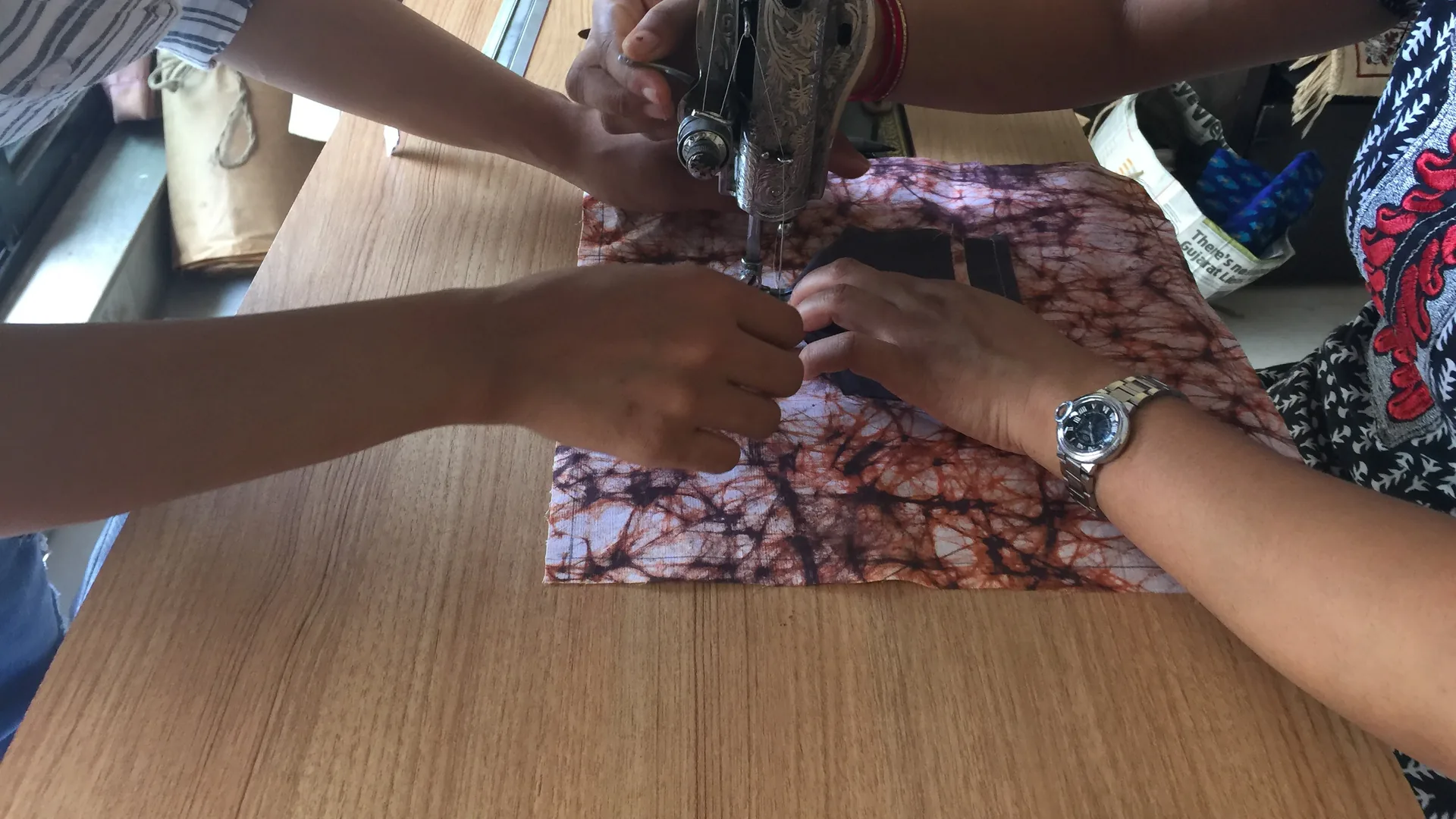
India throws away about 70 lakh tonnes of textiles a year, and the festive shopping season has just begun. These 10 facts use the Ministry of Textiles’ first national map of textile waste, global fibre data and the new EU rules to show where textile waste in India comes from, who recovers it, why most of it is never turned back into cloth, and what companies, cities and households can do before an EPR rule arrives.
Textile waste in India: the 10 facts at a glance
- India discards about 70.7 lakh tonnes of textiles a year
- Factories recover 97% of their waste, homes far less
- Garment factories make 18.5 lakh tonnes of offcuts
- Panipat takes in up to 5,250 tonnes of waste a day
- 40 to 45 lakh people, mostly women, do the recovering
- Under 1% of new fibre comes from old textiles
- Polyester is 59% of world fibre, and it sheds
- Recycling cuts a T-shirt’s climate impact by 3% to 38%
- India has EPR for eight waste streams, not textiles
- Exporters are likely to meet textile EPR in Europe first
- The five R’s applied to textile waste
- Earth5R’s field evidence
- What to do before textile EPR arrives
- Questions
This is the third EarthJournal research piece this week on what India throws away. Read it alongside our data on food waste in India and the new four-stream segregation rules that now govern every household bin.
01
India discards about 70.7 lakh tonnes of textiles a year, and 58% of it has already been worn
In February 2026 the Ministry of Textiles published the first government map of textile waste in India. It sampled textile units, visited 12 municipal corporations in six states and held 92 interviews with municipal bodies, informal networks and businesses across 23 cities. Its estimate is 7,073 kilotonnes a year, about 70.7 lakh tonnes, with a margin of error of about 5%.[1]
Of that, 41 lakh tonnes (58%) is post-consumer waste: worn clothing, bedding, towels and other household textiles. The other 29.73 lakh tonnes (42%) is pre-consumer waste from spinning, weaving, processing and garment making. Another 6 lakh tonnes a year of second-hand clothing and rags is imported.[1] An earlier industry study by Fashion for Good put the total, including imports, at 7,793 kilotonnes, or 8.5% of the world’s textile waste.[4]
Where India’s textile waste comes from
Textile waste generated in a year, by source, lakh tonnes. Post-consumer waste is split by who collects it.
Source: Ministry of Textiles, Mapping of Textile Waste Value Chain in India, February 2026, Table 22.[1] Total 70.73 lakh tonnes (7,073 kilotonnes).
Two-thirds of post-consumer textile waste, 27.25 lakh tonnes, reaches the municipal system through household bins. The other third, 13.75 lakh tonnes, moves through NGOs, hand-me-downs and informal collectors.[1]
Textile waste in India is mainly a household waste problem, not only a factory one. Any serious plan has to start where clothes are thrown away: the building bin, the kabadiwala and the municipal truck.
02
Factories recover 97% of their textile waste, but 45% of what homes throw away is burnt or dumped
Pre-consumer waste is clean, sorted by the factory and close to buyers, so it rarely goes to waste. Of the 26.15 lakh tonnes that needs collecting (spinning waste goes straight back into the mill), 25.37 lakh tonnes is recycled: 15.17 lakh tonnes upcycled and 10.20 lakh tonnes downcycled into products such as industrial rags, insulation or stuffing. Only about 52,000 tonnes, 2%, is landfilled or incinerated.[1]
Post-consumer waste is different. Of 41 lakh tonnes, 22.55 lakh tonnes (55%) is reused or recycled, and 18.45 lakh tonnes (45%) is incinerated or landfilled.[1] The ministry’s field teams found limited segregation of textiles at source, so clothes arrive at material recovery facilities mixed with other waste, and heavily soiled or worn items are generally sent to landfill or incineration.[1] Fashion for Good’s earlier study found the same split: 43% of domestic post-consumer waste ended up in landfill, against 1% of pre-consumer and imported waste.[4]
What happens to textile waste in India
Share of each stream by end route, per cent
Source: Ministry of Textiles, February 2026, Table 22.[1] Pre-consumer figures exclude 3.58 lakh tonnes of spinning waste reused inside mills.
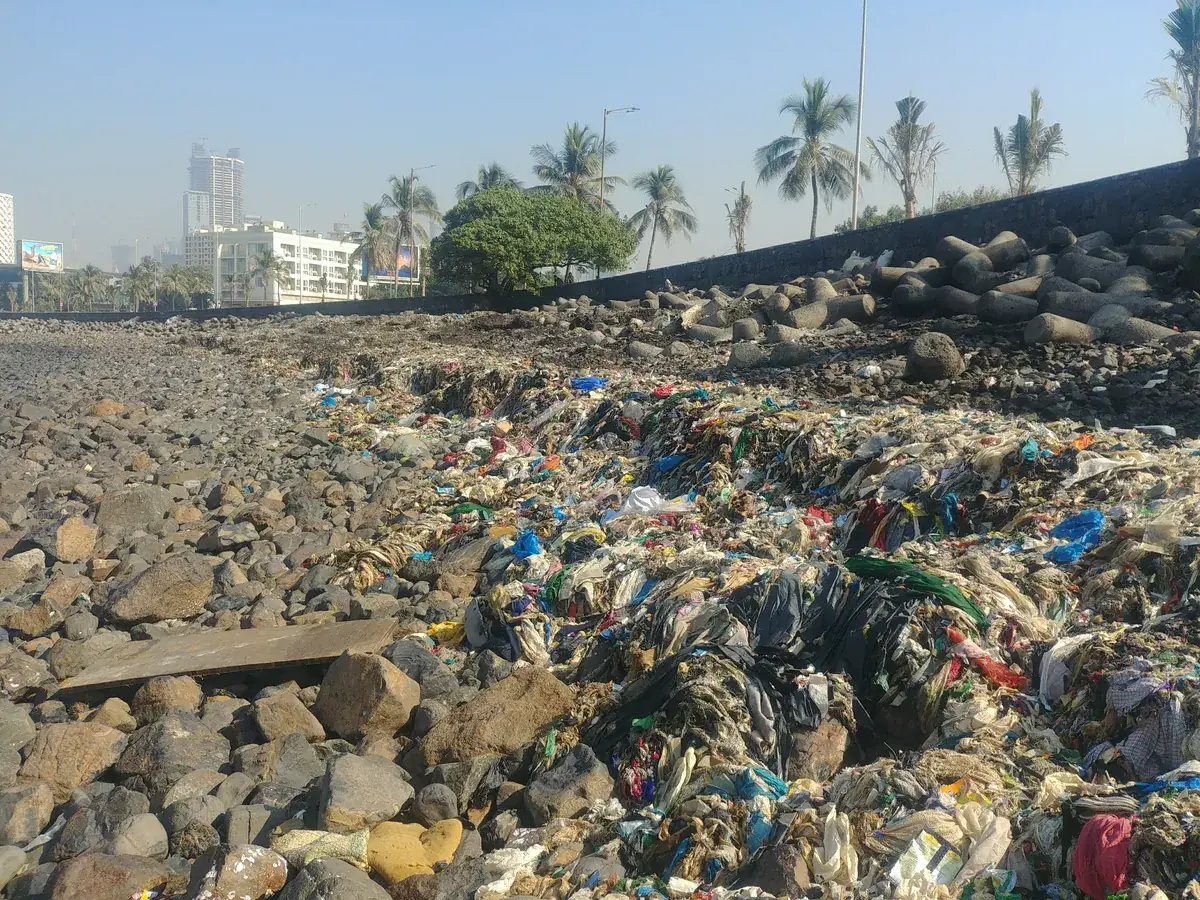
The gap is not technology. It is separation at source. A worn shirt kept dry and separate is feedstock. The same shirt in a wet mixed bin is landfill. Housing societies and city wards can change that number faster than any recycling plant.
03
Garment factories alone produce about 18.5 lakh tonnes of offcuts a year, much of it blended fabric
Within the factory chain, garment making is the biggest source of waste. It produces about 1,850 kilotonnes a year, 70.75% of all pre-consumer textile waste. The ministry’s breakdown lists cotton at 524 kilotonnes, polyester at 321 and viscose at 49, with blended materials at about 760.[1] In the Ludhiana knitwear cluster, the garmenting process alone generates 10% to 20% clip waste.[1]
Blends are the hard part. A cotton and polyester shirt cannot go cleanly into either a cotton or a polyester recycling line. The ministry found many manufacturers sell their waste mixed, which “hinders textile-to-textile recycling”, and that there is significant potential to improve sorting inside factories.[1] India’s textile waste is still mostly cotton-rich, about 61%, but Fashion for Good found synthetic blends rising to about 19% of the total.[5]
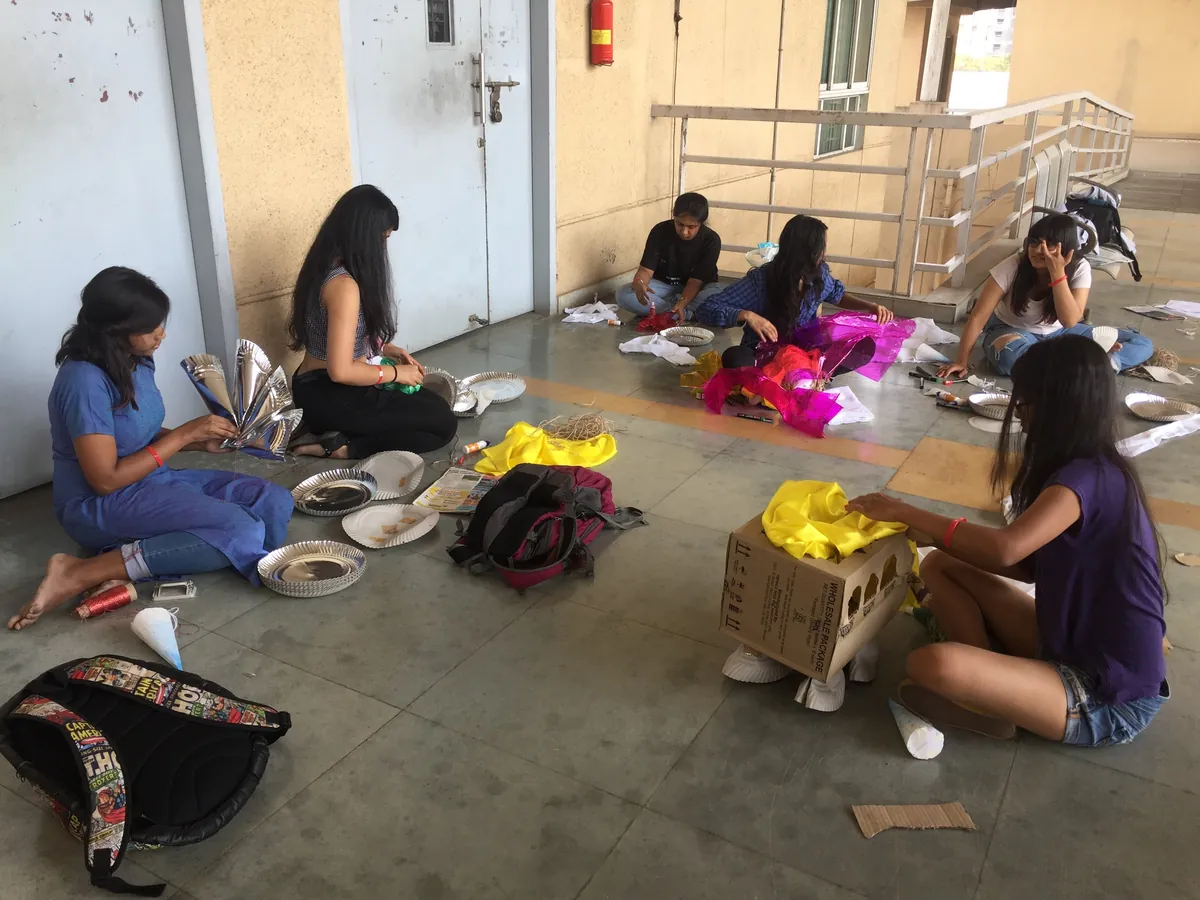
Design and sorting decide recyclability before a garment is sold. Brands that cut blends where they are not needed, and factories that sort offcuts by fibre and colour on the floor, turn low-value mixed waste into feedstock buyers will pay for.
04
Panipat takes in 3,500 to 5,250 tonnes of textile waste a day, because most clusters cannot recycle their own
Fashion for Good calls India a global leader in mechanical recycling.[4] Waste from across the north converges at Panipat in Haryana, and much of the south’s waste travels to the Tiruppur, Coimbatore and Erode belt in Tamil Nadu. Amroha and parts of Rajasthan, Madhya Pradesh, Punjab and Gujarat run smaller recycling units.[4][5]
The ministry estimates that 3,500 to 5,250 tonnes of textile waste a day is brought into the Panipat cluster, which turns out about 5,400 to 7,200 tonnes a day of mink blankets. Most textile clusters lack on-site processing, so they ship their waste there. Polyester yarn and fabric waste is shredded into recycled yarn, felt and fibre fill, yet textile-to-textile recycling of polyester “remains underutilized despite available technologies”.[1]
Informal markets feed the chain. At Katran Market in Mongolpuri, Delhi, roadside handlers buy cutting waste from factories in Noida, Gurugram, Manesar, Jaipur and Delhi, sort it by colour and sell more than 10 tonnes a day to Panipat.[1] Imports play a part too. Import rules for recycling require half of the imported value to be re-exported, but the ministry reports that roughly ₹62 crore worth of imported waste from 2,000 monthly containers is diverted into the domestic market.[1]
A recycling hub hundreds of kilometres away means trucks, mixed loads and low prices for the people who sort. The ministry’s own recommendation is cluster-level recycling, processing waste at source. That is where CSR and industrial park investment can make the biggest difference.
05
40 to 45 lakh people, mostly women from marginalised communities, do most of the recovering
Over half of India’s post-consumer textile waste is recovered today, and the informal sector does most of that work. The ministry estimates that post-consumer textile recovery sustains about 4 to 4.5 million livelihoods, 40 to 45 lakh, “predominantly women from marginalized communities”, and that these networks achieve 55% recovery despite poor recognition and working conditions.[1]
The report describes the Waghri community at the Ghoda Mandi in Raghubir Nagar, Delhi. Its members collect used clothes door to door across Delhi, Noida and Gurugram, often in exchange for utensils, sort them at home and sell them early each morning alongside about 2,000 to 3,000 other sellers. Trousers and T-shirts sell for ₹30 to ₹50, and a Banarasi sari for ₹200 to ₹400. Hand-me-down channels like this extend a garment’s life by one to two years.[1] In pre-consumer markets such as Katran, women sort cutting waste by colour and fabric type.[1]
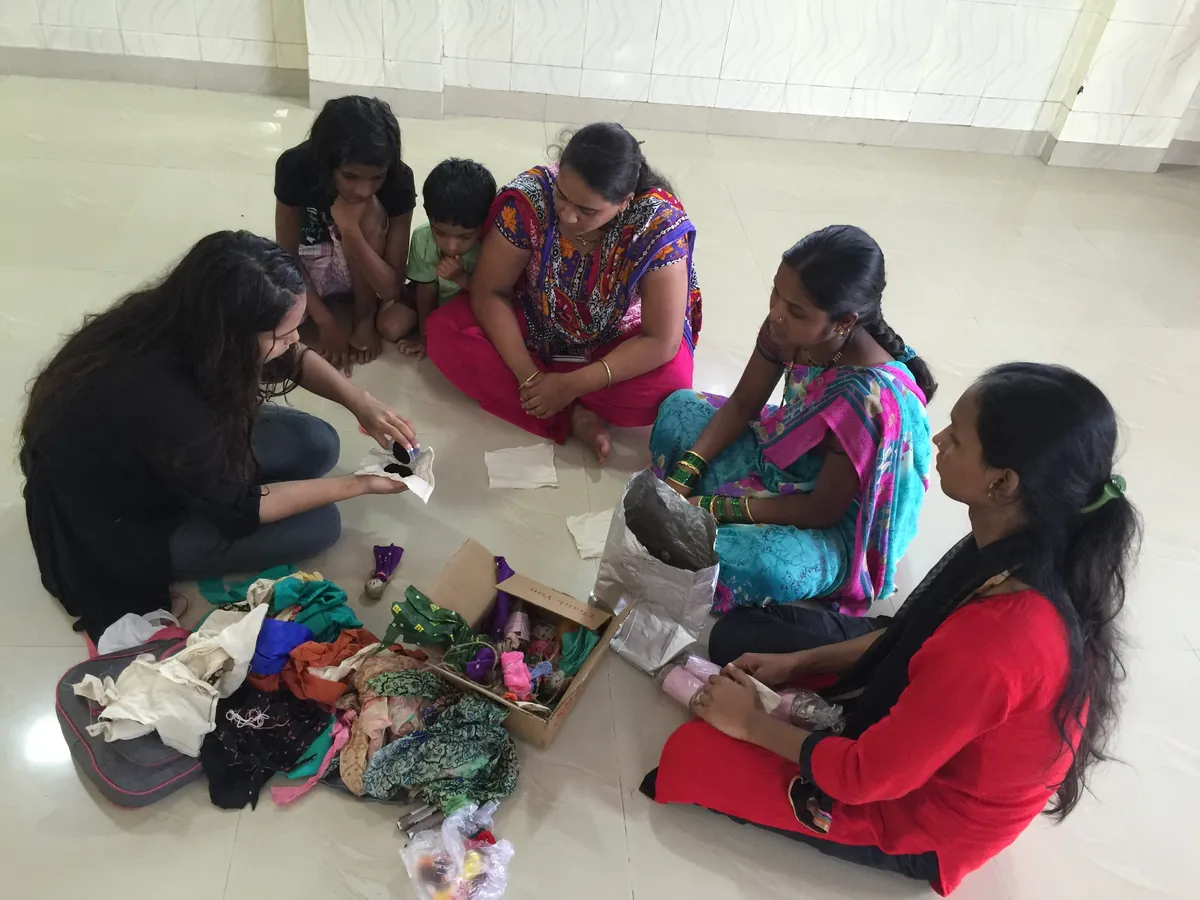
Any EPR or recycling scheme that bypasses these workers will lose both the people and the 55% recovery they already deliver. Formalising textile waste should mean contracts, fair prices and safer sorting spaces for women already doing the work.
06
Less than 1% of the world’s new fibre is made from old textiles
Global fibre production reached a record 132 million tonnes (13.2 crore tonnes) in 2024, more than double the 58 million tonnes of 2000. Textile Exchange expects 169 million tonnes by 2030 if nothing changes. Recycled fibres made up 7.6% of the total, but most of that was polyester made from plastic bottles, 6.9% of all fibre. Less than 1% came from pre- and post-consumer recycled textiles.[2]
Bottle-based recycled polyester is not a textile solution. About 98% of recycled polyester comes from bottles, and systems that recycle polyester textiles into polyester account for only about 2% of it.[2] The share of recycled cotton is about 1%.[2] UNEP, citing the Global Fashion Agenda, puts global textile waste at 92 million tonnes a year, the equivalent of a garbage truck full of clothes being incinerated or landfilled every second.[6]
What the world’s fibre is made of, 2024
Share of global fibre production, per cent. The lower three bars show recycled content.
Source: Textile Exchange, Materials Market Report 2025.[2] Total production 132 million tonnes.
A “recycled” label on a polyester garment usually means bottles, not clothes. For India, with its mechanical recycling base, the opening is fibre-to-fibre recycling of clean, sorted, single-fibre waste. That needs the separation described in facts 02 and 03.
07
Polyester is 59% of the world’s fibre, and synthetic clothes are Asia’s biggest source of primary microplastics
Polyester production rose from about 71 million tonnes in 2023 to about 78 million tonnes in 2024, and 88% of it is made from fossil fuels.[2] UNEP estimates that the fashion and textiles sector accounts for 2% to 8% of global greenhouse gas emissions and 9% of the microplastic pollution reaching the oceans each year, and uses 215 trillion litres of water (215 lakh crore litres) a year.[6] Between 2000 and 2015, clothing production doubled while the number of times a garment was used fell by 36%.[6]
Synthetic clothes keep polluting after they are sold. An IUCN study estimated that between 15% and 31% of the roughly 9.5 million tonnes of plastic entering the oceans each year could be primary microplastics, and almost two-thirds of those come from washing synthetic textiles and the abrasion of tyres. In Asia, synthetic textiles are the main source.[7]
Every extra wear is the cheapest emissions cut in fashion. For a household it means buying less and keeping clothes longer. For a brand it means durability and repair, which avoid both the emissions of making a new garment and the waste of an old one.
08
Recycling cuts a T-shirt’s climate impact by 3% to 38%, depending on the fibre
The Ministry of Textiles study ran life cycle assessments on three T-shirts. Making one from 100% chemically recycled viscose instead of virgin viscose cut climate impact by about 38%. A 100% recycled polyester T-shirt cut it by about 22% against virgin polyester. A cotton T-shirt with 25% mechanically recycled cotton cut it by only about 3%.[1] Some recycling processes used marginally more energy, but the study found the overall benefits outweighed this.[1]
Climate gain from recycled fibre, per T-shirt
Reduction in climate impact (CO₂ equivalent) against the same T-shirt made from virgin fibre, per cent
Source: Ministry of Textiles, Mapping of Textile Waste Value Chain in India, February 2026, chapter 7.[1]
The study compared four recycling routes. Mechanical recycling is mature and cheap but shortens fibres. Thermo-mechanical recycling keeps synthetics in better shape but needs very pure feedstock. Chemical recycling can handle blends and gives near-virgin fibre but is still capital and energy intensive at pilot stage. Thermo-chemical routes turn mixed waste into syngas, not new cloth. “No single technology is sufficient on its own”, the study concludes.[1]
Recycling is not a free pass. For cotton, the climate gain from recycled content is small, so keeping the garment in use for longer through reuse matters more. Recycling earns its place when the fibre would otherwise be burnt or buried.
09
India has notified EPR rules for eight waste streams, but not for textiles
India has built extended producer responsibility (EPR) into its waste rules one stream at a time: waste tyres (2022), batteries (2022), e-waste (2022), plastic packaging (amended 2023), used oil (2023), end-of-life vehicles (2025), construction and demolition waste (2025) and non-ferrous metal scrap (2025). By 5 March 2026, 4,574 recyclers were registered on the EPR portals and 417.57 lakh tonnes of waste had been recycled under them.[8] Textiles are not on the list.[8]
Waste recycled under India’s EPR portals
Cumulative, as on 5 March 2026, lakh tonnes
Source: Ministry of Environment, Forest and Climate Change, PIB, 23 March 2026.[8] Textiles are not covered by any EPR rule.
The new Solid Waste Management Rules, in force since 1 April 2026, make four-stream segregation compulsory: wet, dry, sanitary and special care waste. The government’s summary sends dry waste such as plastic, paper, metal, glass, wood and rubber to material recovery facilities, and does not name textiles separately.[9] Earth5R’s SWM Rules 2026 compliance guide explains what this means for societies and bulk generators.
The policy direction is still clear. In the Union Budget for 2026-27 the government announced a Tex-Eco Initiative to support textile waste management, recycling, recycled fibres and new materials. The Textiles Committee, SCOPE and the Government e-Marketplace have signed an agreement to promote upcycled products in government buying, and the ministry is running a circularity programme with UNEP called In-Tex India.[10] The ministry’s own study lists EPR mandates, eco-design and transparency among the international practices India can learn from.[1]
Brands should not wait for a gazette notice. The plastic EPR system shows what a textile rule is likely to ask for: registration, annual volumes, collection or certificates from registered recyclers. Companies that already measure what they sell and what they take back will find it cheapest to comply.
10
Indian exporters are likely to meet textile EPR in Europe before they meet it at home
The European Union’s revised Waste Framework Directive entered into force on 16 October 2025. Every member state must set up an EPR scheme for textiles and footwear within 30 months, under which producers pay a fee for each product they place on the market. The fees will pay for collection, sorting, reuse and recycling, and will be adjusted for durability and recyclability. The EU generated about 12.6 million tonnes of textile waste in 2019, and only a fifth of it was collected separately for reuse or recycling.[3]
At the same time, India and the EU concluded a free trade agreement on 27 January 2026. India’s factsheet says Indian textiles and clothing will get zero-duty access across all tariff lines, removing duties of up to 12%. India’s textile and apparel exports are about ₹3.19 lakh crore (US$36.7 billion), of which about ₹62,700 crore (US$7.2 billion) goes to the EU, a market that imports about ₹22.9 lakh crore (US$263.5 billion) of textiles and clothing.[11]
At home, listed companies already report under SEBI’s BRSR on how they reclaim products at end of life, whether EPR applies to them, and how much reclaimed product they reuse, recycle or dispose of, as a share of products sold.[12] Earth5R’s ESG and BRSR reporting services cover these lines, The free guide below shows how EU rules reach Indian suppliers.
Lower tariffs and higher circularity rules arrive in Europe together. Indian mills and garment exporters that can show fibre content, offcut recovery and take-back data will keep EU buyers. Those that cannot will be asked for it anyway, through the brands they supply.
Earth5R’s five R’s, applied to textile waste in India
Earth5R’s name comes from a sequence it has taught since 2014: Respect, Reduce, Reuse, Recycle, Restore. “The order matters,” Earth5R founder Saurabh Gupta writes. “Respect comes first, respect for nature, for communities and for the limits of growth.”[13] For clothes, the order lines up closely with the evidence above.
| The R | What it means for textiles | Where it shows up on the ground |
|---|---|---|
| Respect | Start from the limits of the planet and of people: a fibre system growing towards 169 million tonnes a year, and the 40 to 45 lakh workers, mostly women, who already recover clothes.[2][1] | Earth5R livelihood training that treats waste workers and slum residents as skilled partners[14] |
| Reduce | Buy fewer garments, wear each one more, and design out blends where they are not needed, since garment use fell 36% as production doubled.[6] | Earth5R workshops on cutting consumption as part of household waste training[14] |
| Reuse | Hand-me-downs, donation, repair and resale, which extend a garment’s life by one to two years.[1] | 27% of garments in Earth5R’s textile programme went straight to reuse and donation[15] |
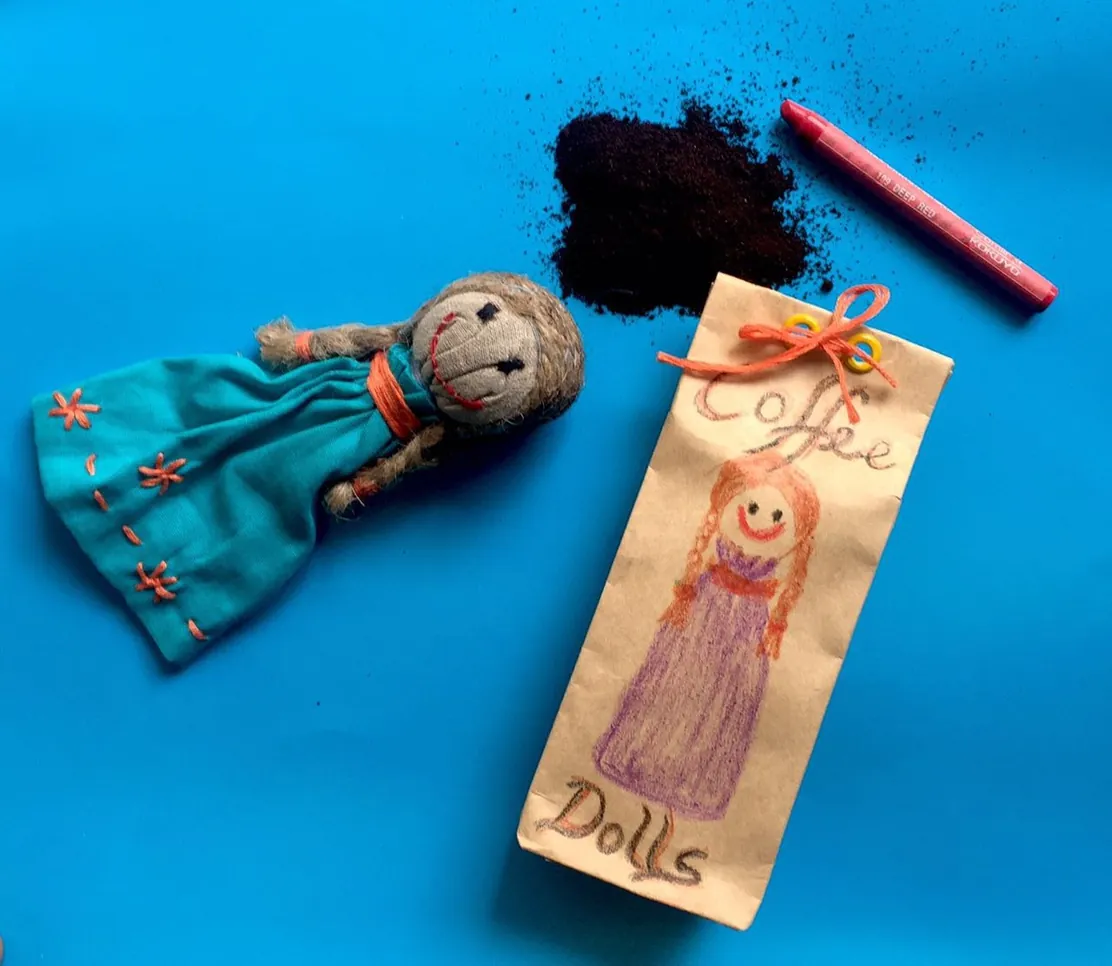
| Recycle | Close the loop on fibre and on value: sort by fibre and colour, recycle fibre to fibre where possible, and pay the people who sort fairly. | Upcycling into dolls, pouches and wall hangings in Earth5R workshops, and recycling partners in the city[16][17] |
| Restore | Keep textiles out of drains, rivers and shorelines, and rebuild trust in recovery with measured, public data. | Earth5R shoreline cleanups, the Mithi River programme and the citizen data behind its case studies[15] |
The order is the point. A programme that starts at Recycle has skipped the three most important steps.[13] For textiles, a recycling plant that runs on garments bought to be worn twice is Recycle without Respect or Reduce.
What Earth5R’s field programmes show about textile waste that stays out of landfill
Case study 1: a textile take-back and upcycling programme, 2015 to 2025
Earth5R’s sustainable fashion and textile recycling case study describes a programme that began with collection boxes in Mumbai residential buildings in 2015 and grew to 14 cities. It reports 1,847 tonnes of textile waste collected and processed over the decade, rising from 18 tonnes in 2015 to 312 tonnes in 2025. Trained women sort each batch into three streams: reuse and donation, upcycling, and recycling into industrial products.[15]
Four findings stand out for anyone designing a textile programme. First, convenience beats awareness. Buildings with collection boxes at the entrance showed 3.8 times the participation of buildings where the box was a five-minute walk away. Second, reuse comes first, taking 27% of collected garments directly to people who need them. Third, upcycling into handicrafts and home goods created 4.2 times more economic value per tonne than recycling into industrial feedstock. Fourth, blends are the barrier: blended fabrics made up 44% of incoming waste, and the synthetic share of collected textiles rose from 48% in 2015 to 67% in 2025.[15]
The programme also tracks people. It reports that 12-month retention of employed women reached 84.3% in 2025 where women could progress from sorting to skilled upcycling and supervision, against 42% for one-off employment without that ladder.[15]
Case study 2: volunteers who teach the skill, from Kanpur to Lucknow and Mumbai
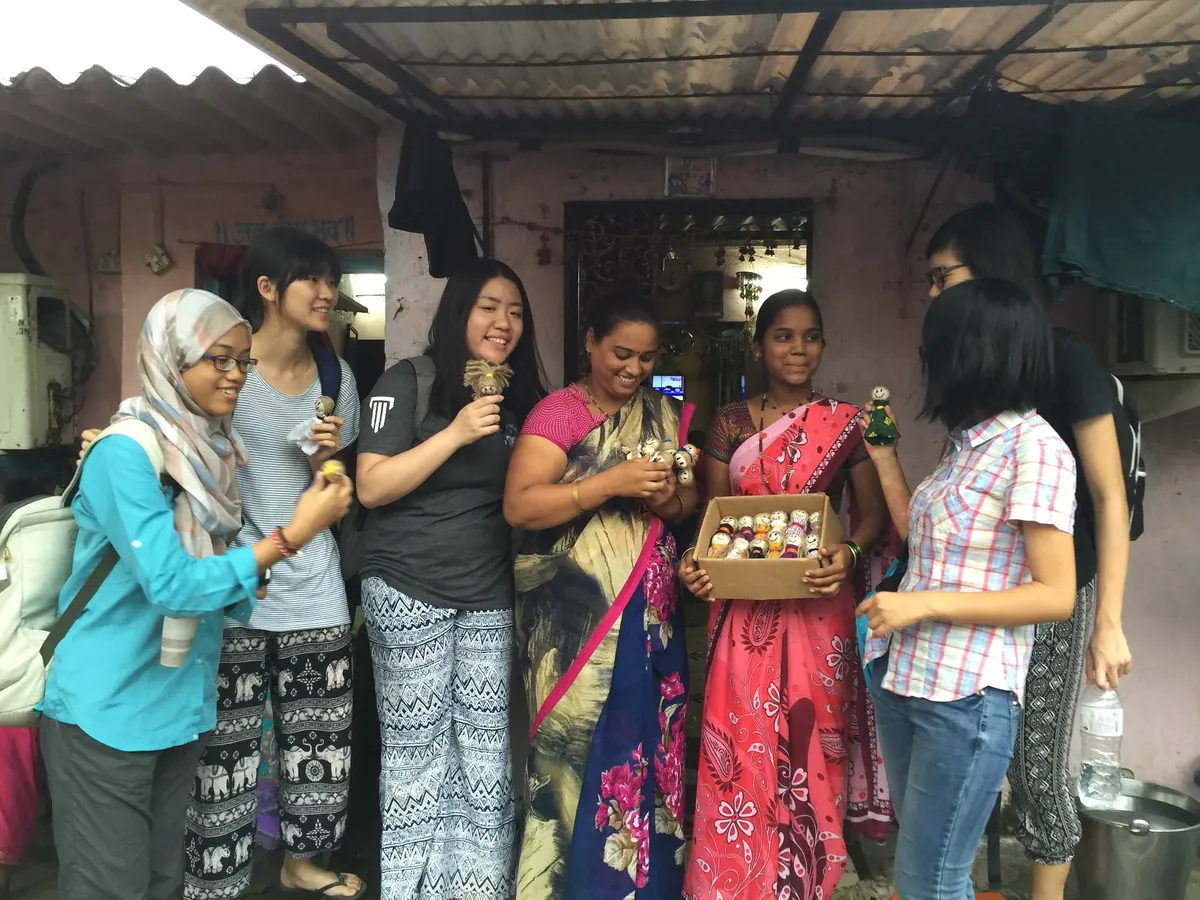
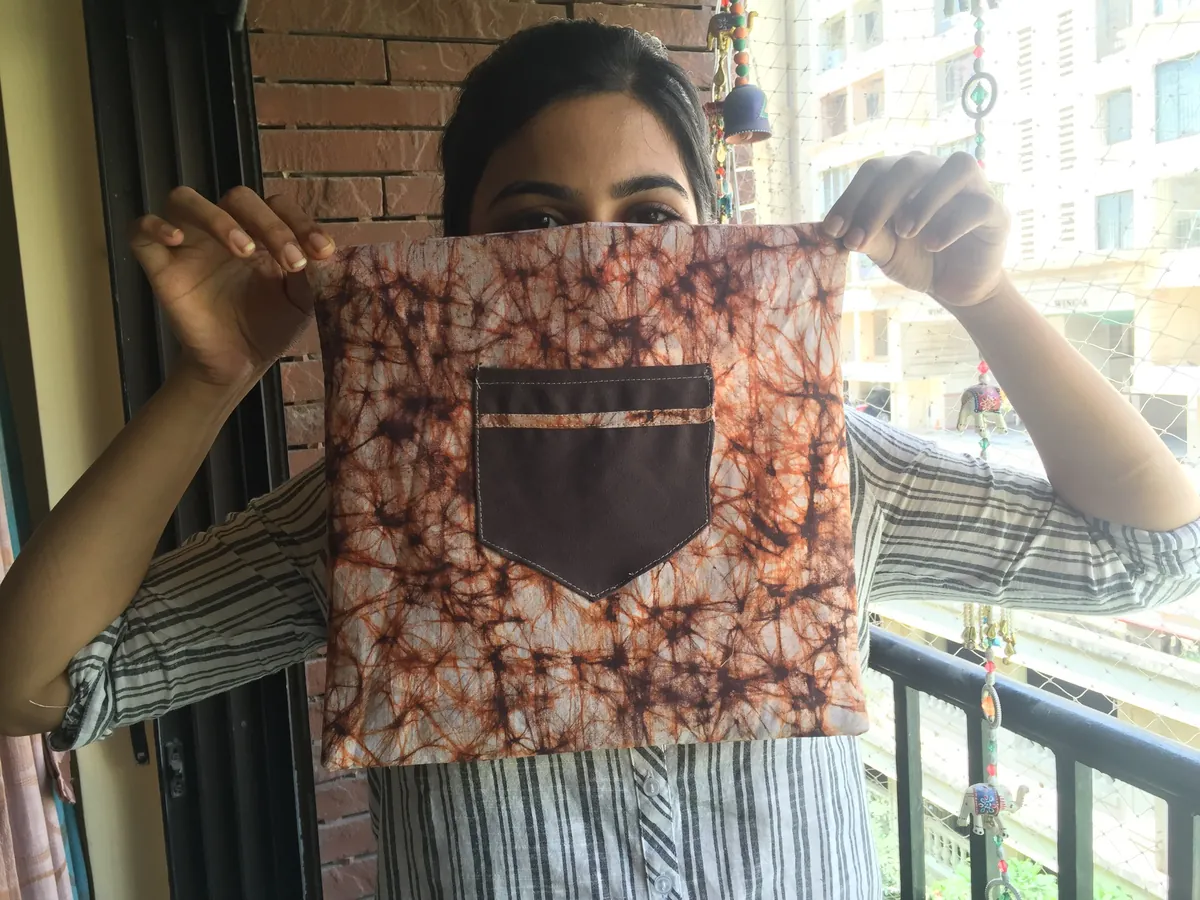
The programme figures rest on ordinary field work. In May 2016, Earth5R member Vedanshi Bhartia ran a nine-day workshop for slum residents near the Meghdhoot Hotel in Kanpur. Participants covered newspaper balls and rolls with scrap cloth collected from local tailors, then sewed them into wall hangings and bandhanvars.[16] The Earth5R Lucknow team, in a session reported by Asna Arif, taught pupils at a village school near Lucknow to make bags from old T-shirts that were no longer wearable, bags good enough to sell to fruit sellers and small vendors.[18]
In Mumbai, Earth5R citizen volunteers run waste management and livelihood training in their own neighbourhoods. A session on Jama Masjid Road in Chandivali, Powai, on 22 March 2021 covered segregation and composting, then how to make products from segregated waste and sell them in local markets, a part of the training that women especially valued.[19] In February 2021, volunteer Dr. Shivangi Singh trained women in the Vijay Nagar slum at Aarey Colony on segregation, upcycling, reducing consumption and livelihood generation from waste.[14] Earth5R’s work with recyclers in Dharavi, guided by partner Ravi Bhanushali, connects collection drives to the small units that process dry waste.[17]
About these figures. All Earth5R figures in this article are programme-reported by Earth5R. They come from Earth5R’s own case study and EarthJournal field reports and have not been independently verified for this article. They describe what collection, sorting and upcycling look like at programme scale. They are not national estimates and should not be compared directly with the Ministry of Textiles figures above.[15]
For brands, CSR teams and city agencies, Earth5R designs collection, sorting and upcycling programmes in the neighbourhoods where your customers and employees live, with data that fits BRSR. See Earth5R’s CSR and ESG projects.
What to do about textile waste in India before an EPR rule arrives
Brands, retailers and exporters
Measure what you place on the market by fibre and weight, and what you take back. Cut unnecessary blends. Sort factory offcuts by fibre and colour at source, and buy back sorted waste from your suppliers. Report reclaimed products in BRSR Principle 2.[12] Use the plastic EPR system as a template for what a textile rule may ask, and read Earth5R’s Plastic Waste and EPR Guide for how registration and certificates work.
CSR teams
Fund collection points at building entrances, sorting spaces and skill ladders for women sorters, not one-off awareness drives. Schedule VII allows CSR spending on environmental sustainability and on livelihood enhancement projects.[20]
Housing societies, campuses and city wards
Keep clothes dry and out of the wet bin. Run a separate textile drop-off with reuse first, then repair, then recycling. Under the SWM Rules 2026, bulk waste generators are responsible for processing their own waste.[9]
Students and young people
Textile circularity needs people who understand fibres, design and waste systems. Earth5R’s sustainable fashion and textile internship and the FIELDWORK fashion design programme for school students are a way in.
Researchers and policymakers
The ministry’s map is a first baseline with a margin of error of about 5%.[1] Measuring what ward-level textile segregation actually recovers, and what happens to the 18.45 lakh tonnes now burnt or buried, would show where a future EPR rule should focus.
Frequently asked questions about textile waste in India
- How much textile waste does India generate?
- About 7,073 kilotonnes a year, or 70.7 lakh tonnes, according to the Ministry of Textiles’ February 2026 study. 58% is post-consumer waste and 42% comes from factories.[1]
- What happens to textile waste in India?
- Factories recycle about 97% of their waste. Of the 41 lakh tonnes of post-consumer waste, 55% is reused or recycled and 45% is incinerated or landfilled.[1]
- Where is textile waste recycled in India?
- Panipat in Haryana is the main hub, taking in 3,500 to 5,250 tonnes a day. The Tiruppur, Coimbatore and Erode belt in Tamil Nadu handles much of the south’s waste, with smaller units in Amroha and other states.[1][4]
- Is there an EPR rule for textiles in India?
- Not yet. India has EPR rules for plastic packaging, e-waste, batteries, tyres, used oil, end-of-life vehicles, construction waste and non-ferrous scrap, but not textiles.[8] The EU requires member states to set up textile EPR schemes within 30 months of October 2025.[3]
- Is recycled polyester made from old clothes?
- Mostly not. About 98% of recycled polyester is made from plastic bottles, and less than 1% of the world’s fibre comes from recycled textiles.[2]
- How can households reduce textile waste?
- Buy fewer clothes and wear them longer, repair and hand down what still works, keep old clothes dry and separate from wet waste, and give them to a reuse or collection point. Garment use fell 36% between 2000 and 2015 as production doubled.[6]
- What can companies do about textile waste?
- Measure products and take-back by fibre and weight, cut unnecessary blends, sort offcuts at source, report reclaimed products in BRSR and fund collection and fair sorting work through CSR.[12][20]
Related reading on Earth5R
References
- Ministry of Textiles (2026). Mapping of Textile Waste Value Chain in India: A Comprehensive Look at India’s Textile Waste Ecosystem. Government of India, February 2026. texmin.gov.in
- Textile Exchange (2025). Materials Market Report 2025. September 2025. textileexchange.org
- European Commission, Directorate-General for Environment (2025). Revised Waste Framework Directive enters into force to boost circularity of textile sector and slash food waste. 16 October 2025. environment.ec.europa.eu
- Fashion for Good and Saahas Zero Waste (2022). Wealth in Waste: India’s Potential to Bring Textile Waste Back into the Supply Chain. Sorting for Circularity India, July 2022. saahaszerowaste.com
- Fashion for Good (2023). Sorting for Circularity India: project results. Case study page. fashionforgood.com
- UN Environment Programme (2025). Sustainable fashion to take centre stage on Zero Waste Day. 7 February 2025, citing the Global Fashion Agenda and the Ellen MacArthur Foundation. unep.org
- IUCN (2017). Invisible plastic particles from textiles and tyres a major source of ocean pollution. Press release on Primary Microplastics in the Oceans, 22 February 2017. iucn.org
- Ministry of Environment, Forest and Climate Change (2026). Circular Economy Framework and Extended Producer Responsibility. Press Information Bureau, 23 March 2026. pib.gov.in
- Ministry of Environment, Forest and Climate Change (2026). Solid Waste Management Rules Notified, to Come into Force from April 1, 2026. Press Information Bureau, 28 January 2026. pib.gov.in
- Ministry of Textiles (2026). Lok Sabha Unstarred Question No. 429, Innovative Textile Recycling Technologies, answered 21 July 2026. sansad.in
- Department of Commerce (2026). India and European Union Trade Agreement: factsheet. Ministry of Commerce and Industry, 27 January 2026. commerce.gov.in
- Securities and Exchange Board of India (2021). Business Responsibility and Sustainability Reporting Format, Annexure I, Principle 2, Essential Indicators 3 and 4 and Leadership Indicators 4 and 5. sebi.gov.in
- Gupta, S. (2026). AI and Sustainability: Planetary Limits. EarthJournal, Earth5R. Section on the Earth5R method, Respect, Reduce, Reuse, Recycle, Restore. earth5r.org
- Earth5R (2021, published 2024). Earth5R’s Women-Centric Solid Waste Management and Circular Economy Based Community Training in Mumbai. EarthJournal. earth5r.org
- Earth5R Research Division (2026). Sustainable Fashion and Textile Recycling: A Decade of Circular Economy Evidence in India (2015 to 2025). Report Earth5R-SFT-2025-002. Programme-reported. earth5r.org
- Bhartia, V. (2016, published 2024). Paper and Clothes Upcycling Workshop at Meghdhoot, Kanpur. EarthJournal, Earth5R. earth5r.org
- Earth5R. Collaboration with Local Recyclers at Dharavi Recycling Center. EarthJournal. earth5r.org
- Arif, A. (reporter). Environmental Awareness and Upcycling of Clothes at a Village School near Lucknow. EarthJournal, Earth5R. earth5r.org
- Earth5R (2021, published 2024). Creating a Circular Economy in Chandivali, Powai: Waste Management and Livelihood Training by Earth5R. EarthJournal. earth5r.org
- Companies Act, 2013, Schedule VII: Activities which may be included by companies in their Corporate Social Responsibility policies, items (ii) and (iv). ca2013.com
How to cite this article
Earth5R (2026). Textile Waste in India: 10 Facts on Fast Fashion, Panipat, Recycling and the EPR Gap. EarthJournal, Earth5R, 21 October 2026. https://earth5r.org/textile-waste-india/
Figures are taken from the sources cited and were current on 21 October 2026. National figures are from the Ministry of Textiles study of February 2026, the latest published. Kilotonnes are converted to lakh tonnes (100 kilotonnes is 1 lakh tonnes). Global figures are in million tonnes as published, with crore equivalents where useful. Earth5R figures are programme-reported.